Rabelo Boat Workshop: Learning Ancient Navigation on the Douro
Join a real traditional navigation workshop in Pinhão. Learn to handle the steering oar and discover the fascinating history of Rabelo boats on the Douro River.
In the heart of the Douro Valley, where schist slopes rise in perfect terraces, the river is no longer the untamed monster that ancient sailors feared. Before the construction of large dams in the 1970s, navigating these waters was a test of courage and technical skill. Today, at the Pinhão pier, there is a rare opportunity to recover this knowledge through a hands-on experience that goes far beyond a simple tourist cruise: the Traditional Navigation Workshop.
The Guardian of Fluvial Heritage
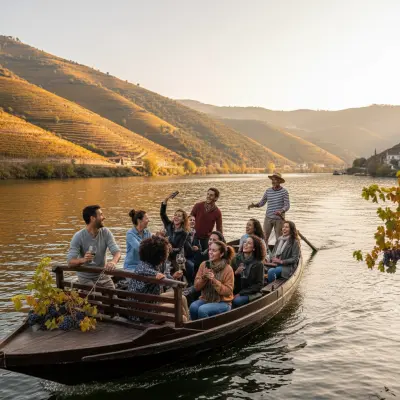
This workshop is led by Anima Durius, a local operator that stands out for its absolute focus on authenticity and living river history. Unlike the large modern vessels that cross the channel, Anima Durius operates with the Senhora da Ribeira, a wooden boat originally built in 1910. Although technically a "barco de passagem", used to transport people and small goods before roads existed, its design, materials, and maneuvering methods are identical to those of the iconic Rabelo boats that carried Port wine barrels.
The Anatomy of Ancient Navigation
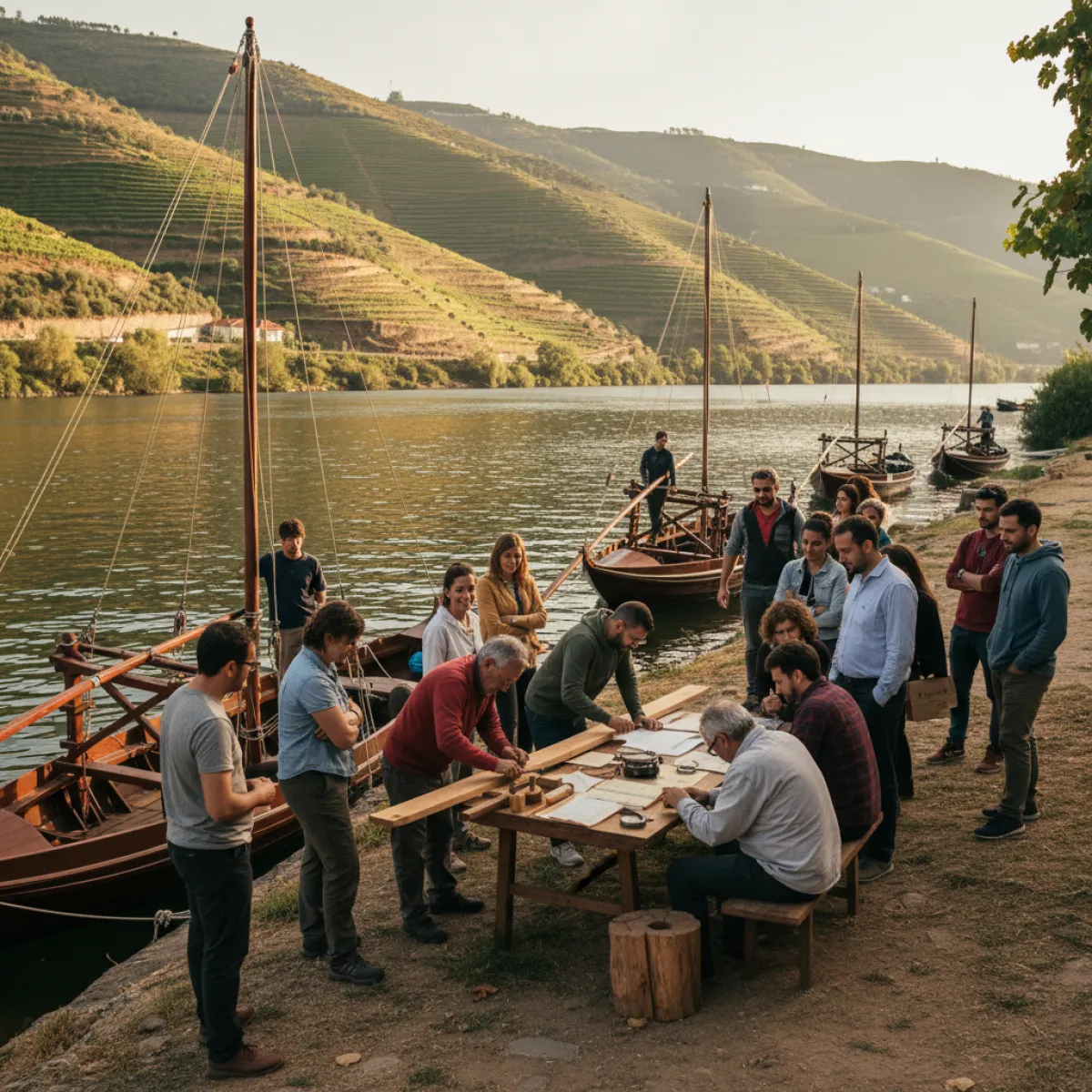
The workshop begins on land at the Pinhão Pier. The first step is to understand the unique naval architecture of these vessels. The Rabelo boat (and its variants) was designed for a river of extremes. It has a flat bottom, without a keel, allowing it to glide over rocks and sandbanks in shallow waters. During the initial theoretical session, participants learn about the importance of the "espadela", the huge steering oar that projects from the stern, and how the central mast was used not only for the square sail but also as a connection point for the "sirga" (towing rope).
Hands on the Oar: The Practical Experience
As soon as the boat casts off, the workshop enters its most intense phase. Under the guidance of sailors who inherited knowledge from generations, participants are invited to take control. Navigating a Rabelo is not about brute force, but about reading currents. In the Douro, the water tells a story through its "veias" (main currents) and eddies. Learning to position the boat to take advantage of the river's power or to avoid dangers hidden beneath the surface is the core of this teaching.
Participants experience the weight and resistance of the espadela, feeling how a small adjustment in the angle of the oar can drastically change the trajectory of a multi-ton boat. It is an exercise in patience and anticipation, far from the electronic controls and silent motors of modern navigation.
The Route and the Cultural Landscape
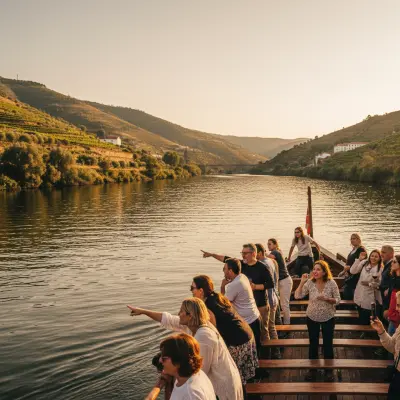
The navigation generally follows the river towards the mouth of the Tua River. This section is particularly significant because the banks maintain a visual integrity that dates back to the 18th and 19th centuries. Passing by Quinta da Roêda or Quinta do Bomfim, the guide explains how these estates communicated with the boats through signals and how loading the barrels was a complex logistical operation involving dozens of men and oxen on the banks.
Tasting of Estate-Grown Wines
As the Douro and wine are inseparable, the workshop includes a break where you taste DOC Douro and Port wines produced by the family owners of Anima Durius. It is the moment to discuss the evolution of the region, from the demarcation by the Marquis of Pombal to the UNESCO recognition, while the boat floats serenely on the water mirror of Pinhão.
Practical Tips for the Traveler
- What to wear: Use non-slip rubber-soled shoes. The wooden deck can be slippery and stability is crucial during maneuvers.
- Sun Protection: The boat is open to allow total visibility and handling of the sail. Even on cloudy days, the sun's reflection on the water is intense; bring a hat and sunscreen.
- Booking: Being a small-scale and highly personalized experience, it is recommended to book at least two weeks in advance, especially between May and October.
- Timing: The late afternoon workshop offers ideal golden light for photography, but the morning schedule often has calmer waters, ideal for the first steps in navigation.
Booking Information
Provider: Anima Durius - Alquimia do Douro
Website: www.animadurius.pt
Meeting Point: Cais do Pinhão (in front of the train station)
Price: Approximately 50.00€ per person (2-hour Workshop)