A hot bath that's been running since 1811
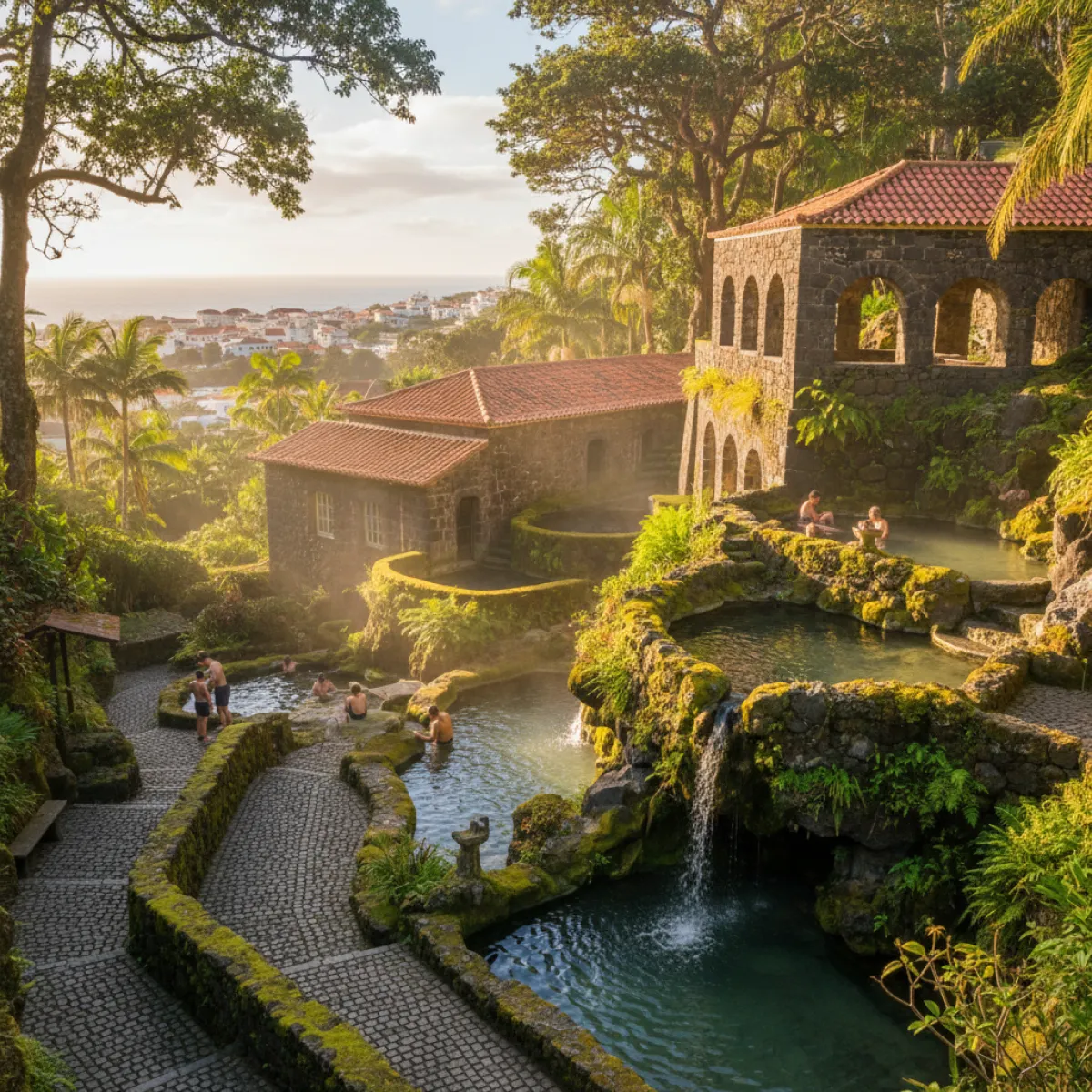
Termas das Caldeiras da Ribeira Grande opened in 1811. That's not a typo. This thermal bath house has been operating since before the Azores had regular steamship connections to the mainland, since before anyone thought of São Miguel as a travel destination, since before the very concept of tourism existed in any meaningful sense. The original stone bathtub, the oldest in the Azores, is still there. The mineral-rich hot water still flows through the same valley. Some things, it turns out, just keep working.
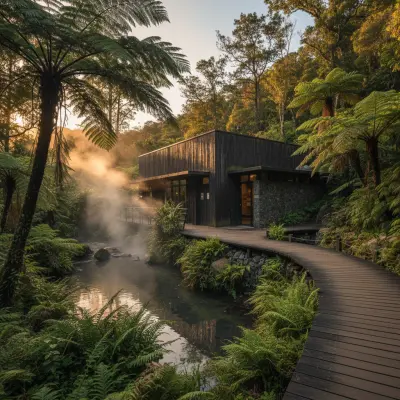
The termas sit in Caldeiras, a small locality a short drive from the centre of Ribeira Grande, on the north coast of São Miguel. Head inland from town, following the road that tracks alongside the Ribeira Grande river, and within minutes the landscape shifts. Urban gives way to green, green gives way to laurel forest, the kind of dense, dripping vegetation that makes you feel like you've stepped into a much older version of the world. The valley where the baths are located is cut through by a stream of hot mineral water. Steam rises between the trees. It smells like sulphur and wet earth. This is geothermal activity you can see, smell, and soak in.
What you'll actually find
Let's be clear: this is not a wellness resort. There's no cucumber water, no ambient playlist, no fluffy robes. Termas das Caldeiras is an old thermal bathhouse, built to serve a practical purpose. For generations, locals came here to treat joint pain, skin conditions, respiratory issues. The architecture is plain, functional, built to last. The star of the place is the original stone bath, carved from volcanic rock, darkened by two centuries of mineral deposits and use. It's the kind of object that doesn't need an explanatory plaque. You look at it and understand.
The crowd here is different from what you'll find at the more developed thermal pools on the island, like Caldeira Velha. Fewer selfie sticks, more locals who've been coming since they were kids. That alone tells you something worth knowing.
Practical information
The price falls in the € range, making it one of the cheapest thermal baths in the Azores. We don't have confirmed opening hours, so check directly before making the trip. This is the kind of place that operates on its own rhythm, and hours may shift with the season.
Bring your own towel. Bring flip-flops. The surroundings are damp and can be slippery. If you have sensitive skin, ease into the water. It's hot and mineral-heavy, and prolonged exposure can cause irritation. Start with shorter soaks.
There's not much infrastructure around the baths, so bring drinking water and a snack. Or better yet, head back down to Ribeira Grande afterwards and grab lunch at A Merenda, where the food is solid and the prices are fair.
Why it matters
Ribeira Grande is São Miguel's second-largest town and deserves more time than most visitors give it. The geothermal activity in the hills above the town isn't just a curiosity. It shapes the local cuisine (cozido das furnas, the famous stew cooked underground by volcanic heat, is the region's signature dish), the agriculture, and the daily habits of people who've lived alongside fumaroles and hot springs for centuries. The termas are part of that continuum. They're not an attraction bolted on for tourists. They're a habit, worn smooth by repetition.
If you're building a full day in Ribeira Grande, pair the baths with a late-afternoon walk through the Jardim Municipal, when the light softens and the benches fill with locals. And if you want to dig deeper into what the town offers beyond the standard itinerary, our guide to Ribeira Grande beyond the postcard covers the ground.
The address is Caldeiras, 9600 Ribeira Grande, São Miguel. Go in the morning, before the midday heat compounds the steam. And give yourself time. There's no rush here. There hasn't been for over two hundred years.