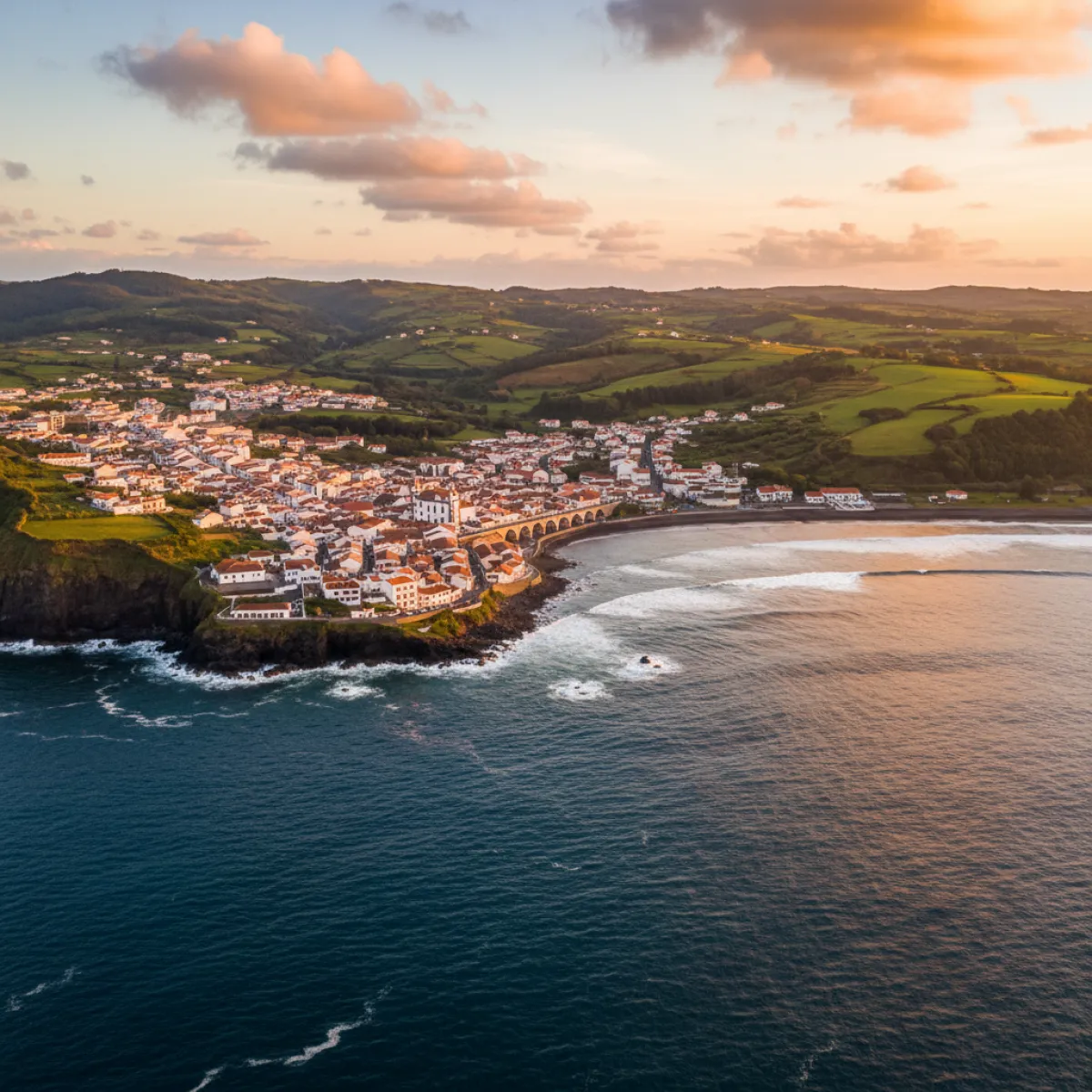
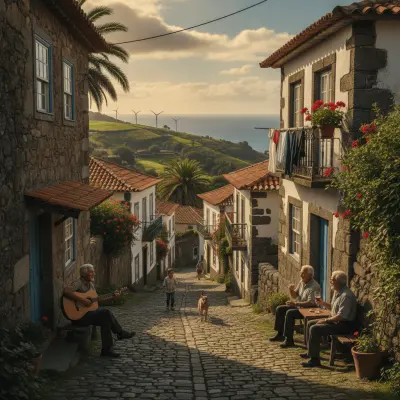
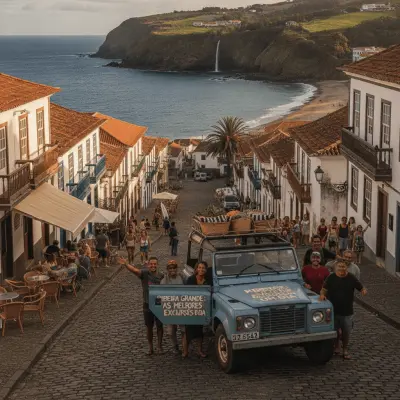
Ribeira Grande is São Miguel's second-largest city and the gateway to the island's north coast, rawer, greener, and far less shaped by cruise-ship tourism than Ponta Delgada. The city lives by the rhythm of the Atlantic that pounds its shore, with swells that arrive unannounced and fog that lifts in minutes.
The centre and the bridge
The historic core wraps around the river that gives the city its name. The Ponte dos Oito Arcos, the Bridge of Eight Arches, is the landmark, a stone bridge spanning the valley that splits the town in two. Nearby, churches like Nossa Senhora da Estrela (one of the island's oldest) and manor houses that say more about Azorean history than most museums. Speaking of which, the Municipal Museum, housed in the Solar de São Vicente Ferreira, is worth visiting for what's claimed to be the oldest walking nativity scene in Europe, a piece that rarely shows up in travel guides.
The north coast and the surf
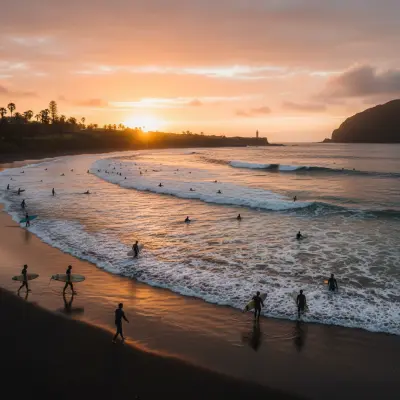
Santa Bárbara is the name every surfer in the Azores knows. It's 1.2 km of black volcanic sand facing the open North Atlantic, with consistent swell and multiple shifting peaks along the beach. Facilities are basic, parking, showers, a surf school, and a bar, but nobody comes here for comfort. The best window for swimming is May through September; surf works almost year-round, with winter months delivering the bigger waves.
Beyond the beach
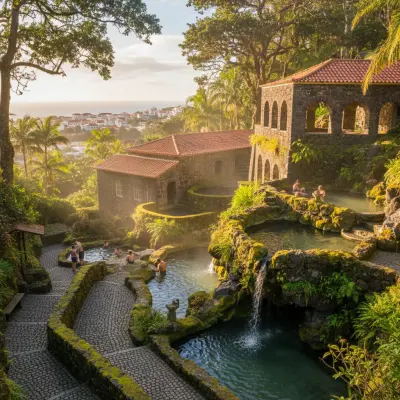
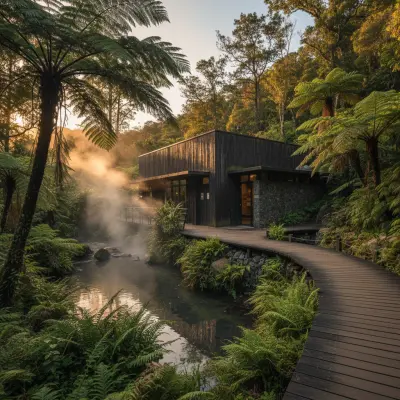
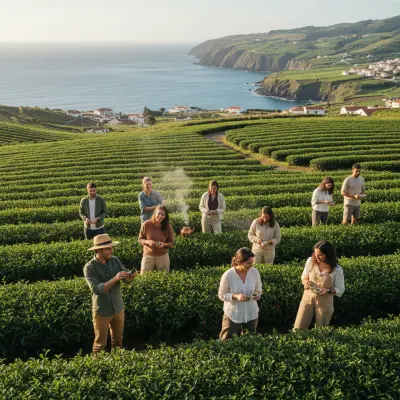
The municipality stretches inland with real surprises: Salto do Cabrito, a roughly 20-metre waterfall reached by trail, and the Caldeiras da Ribeira Grande, a thermal spa complex dating to the 17th century and surrounded by laurel forest. The Gorreana tea plantation sits on the edge of the municipality and deserves a stop, it's the only tea factory in Europe, and their black tea is a better souvenir than anything in a gift shop.
When to go and how long to stay
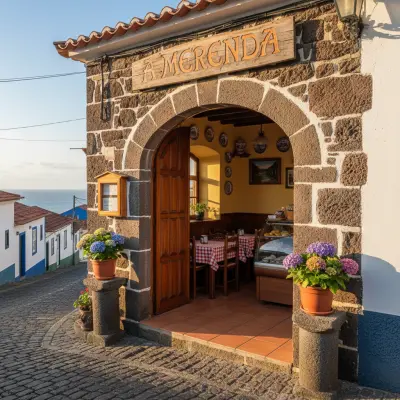
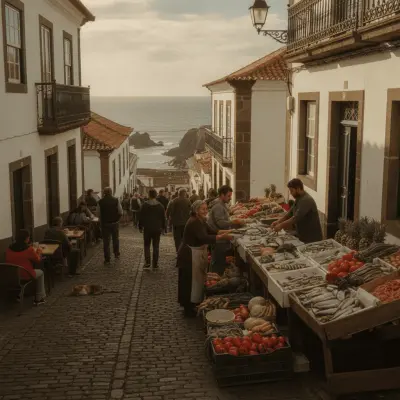
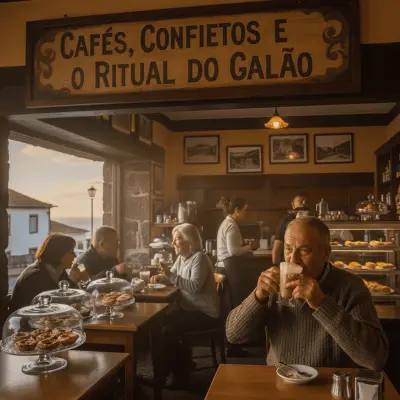
Two full days cover the centre, the beach, and one of the waterfalls comfortably. If you visit in June, the Cavalhadas de São Pedro, a centuries-old re-enactment of the battle between Christians and Moors, takes over the city. For food, fresh fish from the north coast is the starting point; look for restaurants in the centre that work with the catch of the day. A Merenda, already listed on our site, is a local reference worth knowing about.