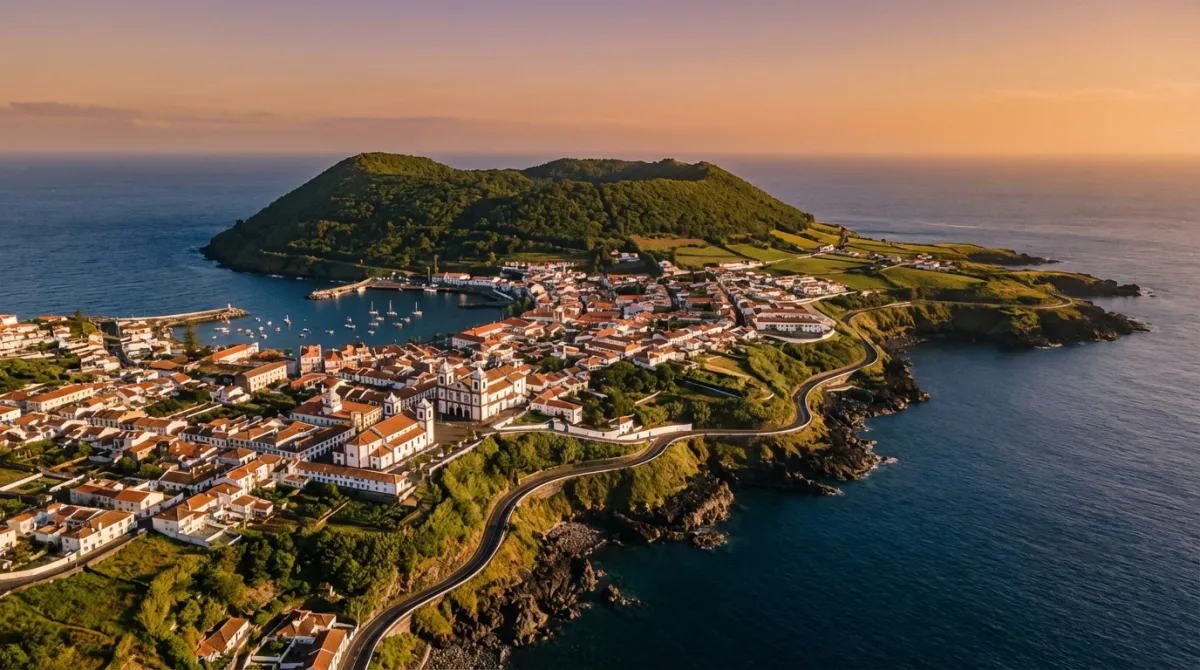
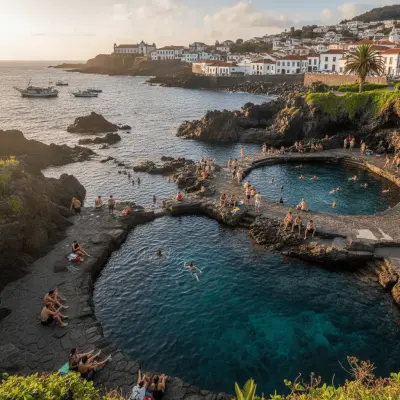
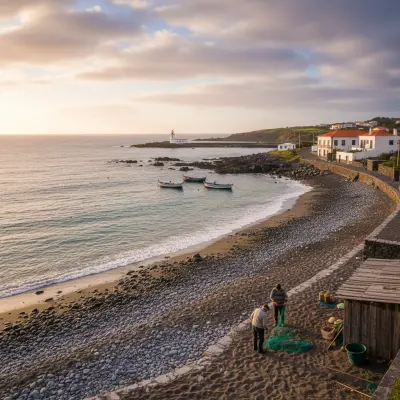
Angra do Heroísmo owes its existence to a bay. Not a river, not a castle, not a crossroads of land routes, a natural inlet that for centuries served as the last stop before the open Atlantic. Portuguese navigators knew this. The Spanish did too. That strategic position turned this spot on Terceira island into one of the most important cities in the empire.
A city you read through its streets
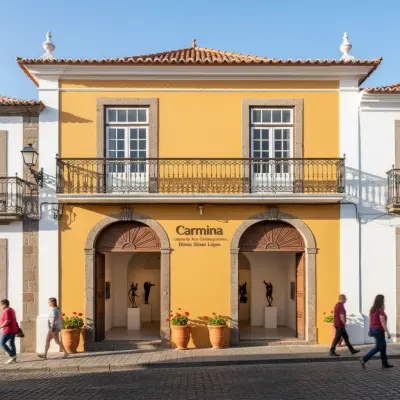
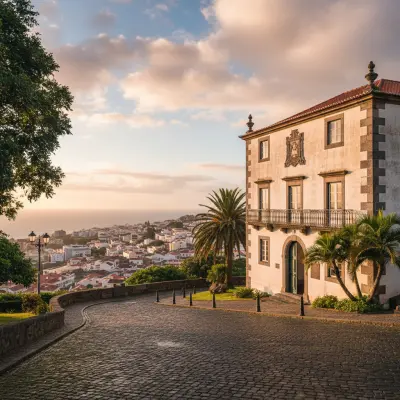
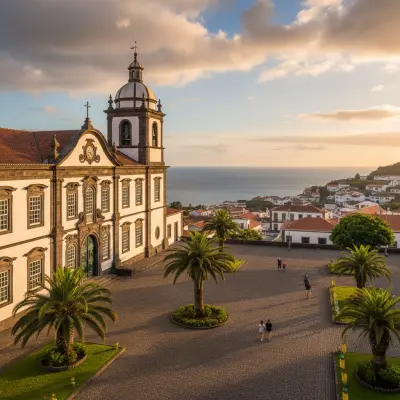
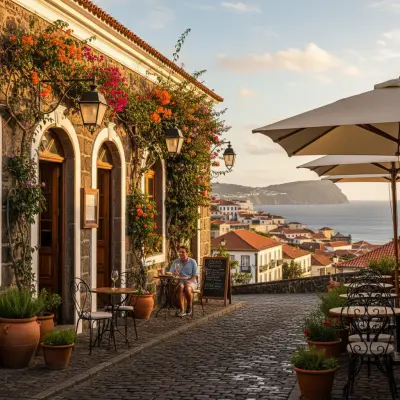
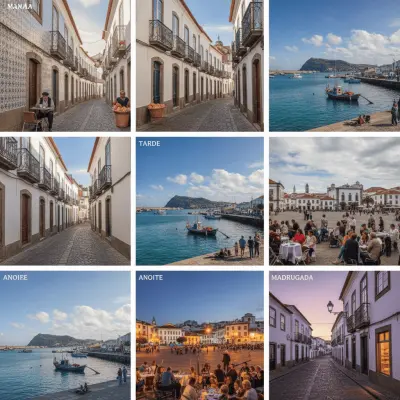
The historic centre, a UNESCO World Heritage Site since 1983, is a Renaissance grid that remains surprisingly intact, partly because the 1980 earthquake destroyed buildings but not the urban logic beneath them. The reconstruction respected the original layout, and walking along Rua Direita or Rua da Sé today means following a geometry that's over five hundred years old. The façades painted in ochre, pink and blue aren't tourist decoration: it's an Azorean tradition that predates any travel guide.
Monte Brasil, the volcanic cone that wraps around the bay from the south, is the essential walk. Not for the difficulty, the circular trail takes just over an hour, but for the perspective it offers over the city and the Fortaleza de São João Baptista, one of the largest fortifications Spain ever built on Portuguese soil. Up there, with the Atlantic on both sides, you understand why Angra was fought over by empires.
What to eat first
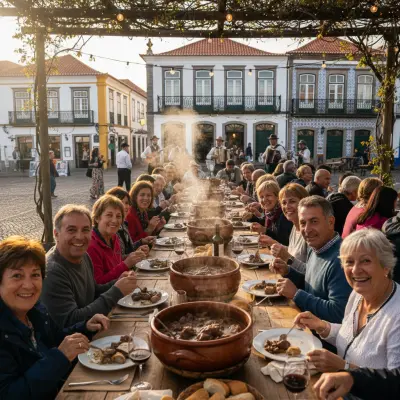
Alcatra, Terceira's signature dish, is beef slow-cooked in a clay pot with wine, pepper and bacon fat. It's not a stew: it's denser, darker, more intense. Try it before anything else. Queijo vinho, an aged and spicy cheese, appears on virtually every table. And if you come across torresmos de molho, pork pieces marinated in wine and garlic, don't hesitate.
When to go and how long to stay
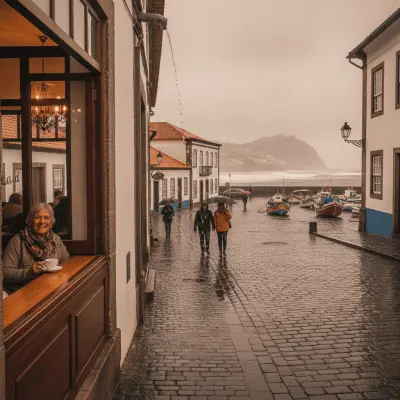
Two nights is the minimum to take in the historic centre and climb Monte Brasil without rushing. Three nights let you explore the rest of the island, the Furnas do Enxofre, the impossibly green pastures, the Serra do Cume viewpoint. June to September brings the most stable weather, but Angra has its own microclimate: it can rain in the morning and clear by noon. The Sanjoaninas festival in June means weeks of bullfights à corda, concerts and street food taking over the whole city. If you land during that period, expect a very different Angra from its usual quiet self.
With one place already listed on boa.pt, O Forno, and six guides covering everything from the UNESCO urban plan to where locals actually eat, Angra do Heroísmo is getting the space it deserves on these pages. More is coming.