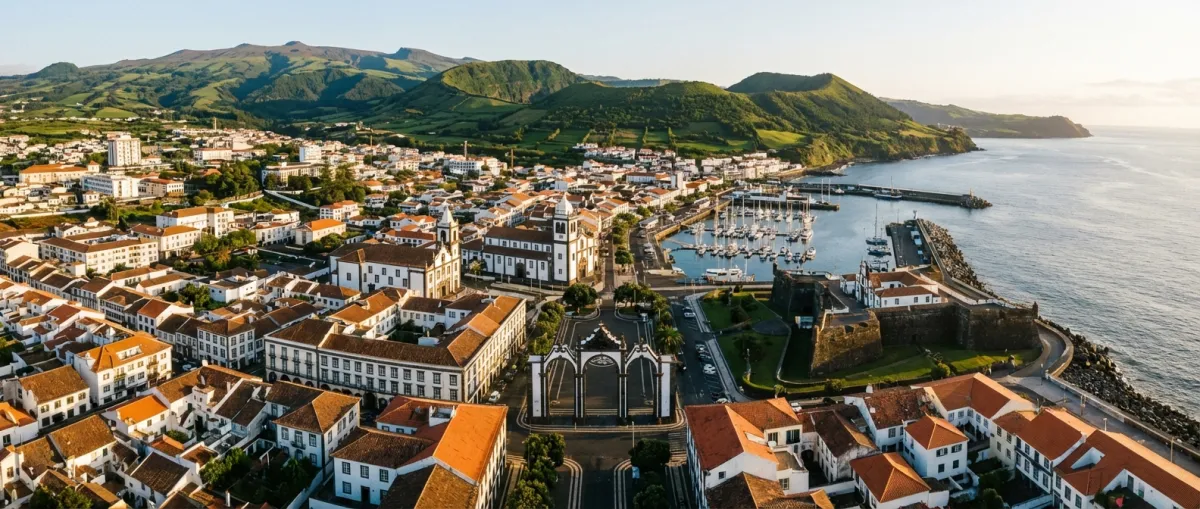
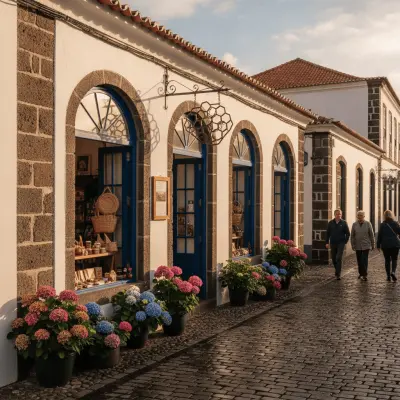
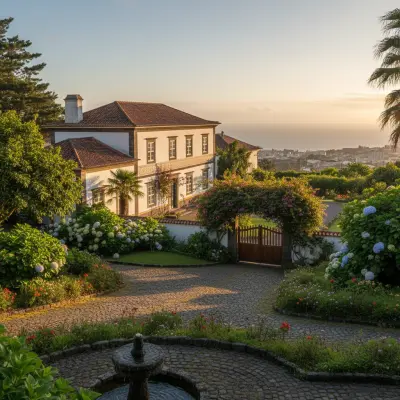
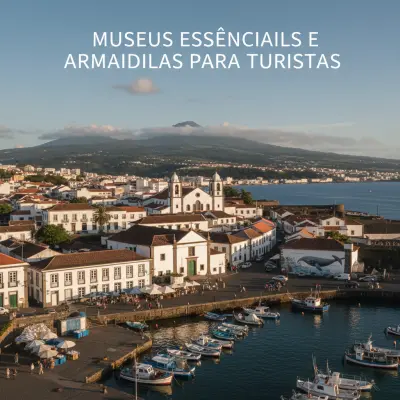
Ponta Delgada is the largest city in the Azores, but it doesn't act like a capital. It has the pace of a coastal town that happened to grow, streets paved in black basalt polished by rain, baroque churches with dark stone facades, and a waterfront where locals walk in the late afternoon with no particular urgency. The historic center stretches between the Portas da Cidade, an 18th-century arch by the harbour, and the Igreja Matriz de São Sebastião, whose bell tower is visible from most of the downtown area.
What to eat first
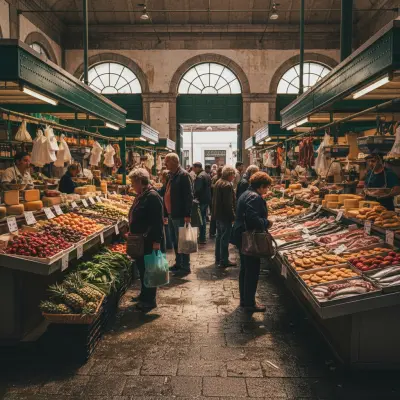
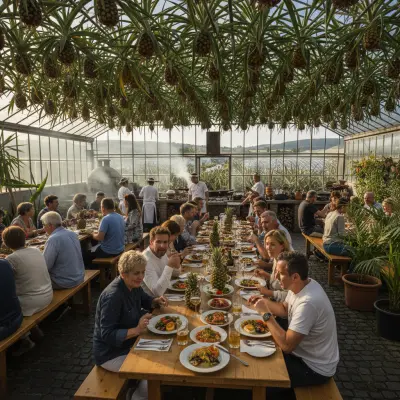
Before planning any itinerary, sit down and eat. Cozido das Furnas is the dish that defines the island, slow-cooked for hours using volcanic heat, it's served at restaurants across São Miguel, and in Ponta Delgada you can find solid versions without the trip to the valley. Try queijadas da Vila Franca and bolo lêvedo too, a flat sweet bread that works as a snack or breakfast. At Mercado da Graça, open mornings, pick up Azorean pineapple, smaller and intensely sweet, grown in greenhouses that are a curiosity in themselves.
How long to stay
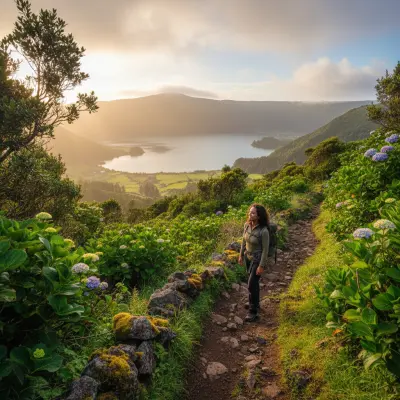
Two days is enough for the city itself. Three to four if you want to use Ponta Delgada as a base for exploring São Miguel, Sete Cidades, Furnas, and Lagoa do Fogo are all under an hour by car. The city has the island's best selection of accommodation and restaurants, making it the logical starting point. May through September offers more stable weather, but even in summer bring a jacket: Azorean weather changes several times a day.
What most visitors miss
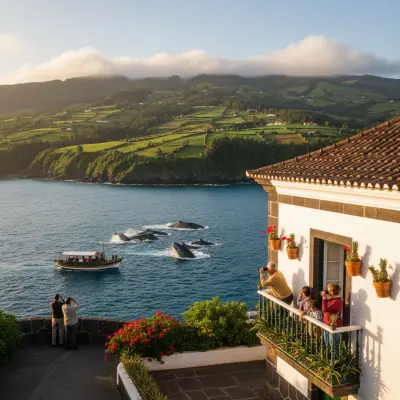
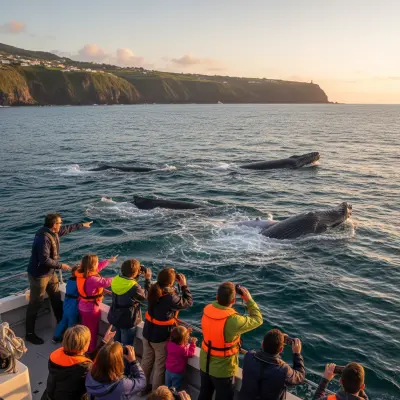
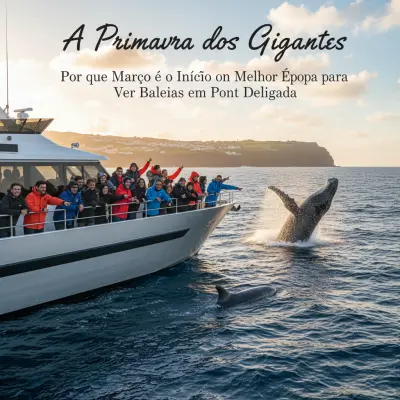
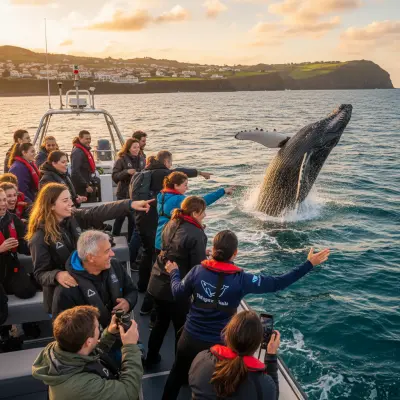
Ponta Delgada isn't just a waypoint to nature. The area between Rua do Açor and Avenida Infante D. Henrique has a growing concentration of restaurants and bars serving contemporary Azorean cuisine. The marina is a good spot to watch whale-watching boats return, the Azores are one of Europe's best locations for spotting cetaceans. And Jardim José do Canto, less visited than the main botanical garden, deserves an hour of wandering among camellias and century-old sequoias.
On boa.pt we've already gathered 3 places, 7 guides, and 2 events in Ponta Delgada, including gastronomic trails and strategies for avoiding the crowds at black sand beaches. Browse below.