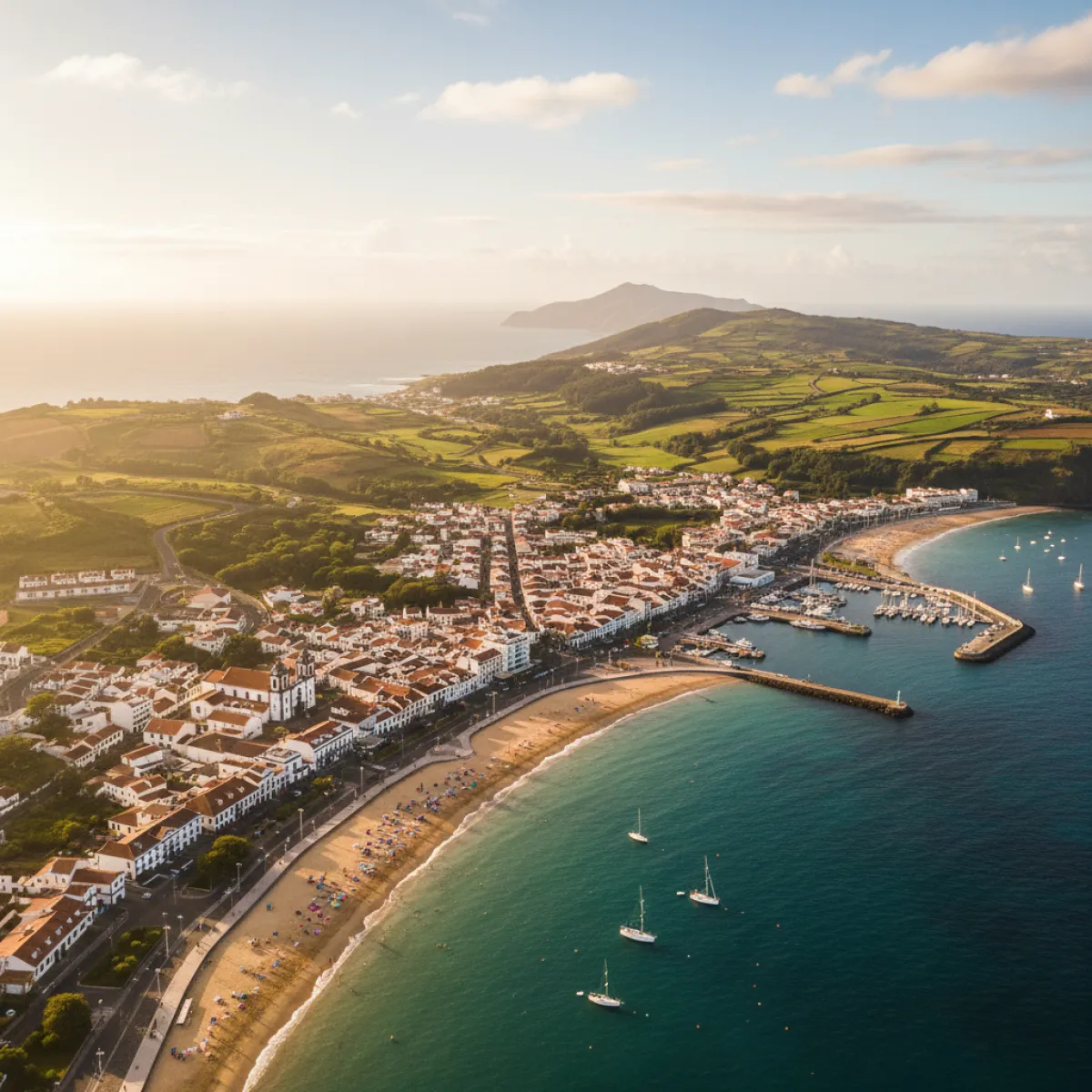
Praia da Vitória is Terceira's second city, but if you fly into Lajes airport, you'll land in its municipality before you've even heard of Angra do Heroísmo. Most visitors drive straight to Angra. That's the first mistake.
A city shaped around its bay
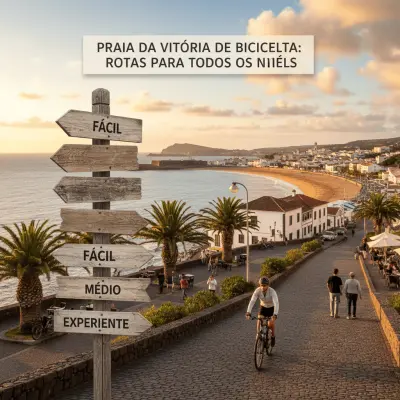
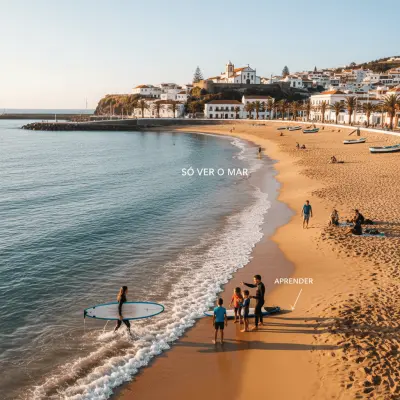
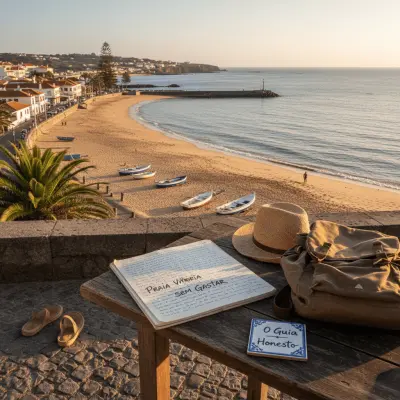
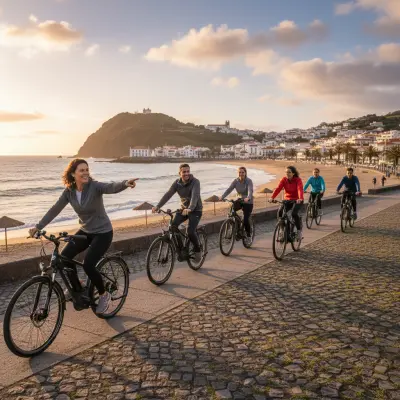
Praia Grande, the largest sandy beach on Terceira, Blue Flag certified, sits right in the centre of town as if the entire street grid was drawn to accommodate it. This isn't a beach tucked behind cliffs: it's right there, two minutes from Rua de Jesus, the pedestrian commercial street whose pavement is decorated with drawings of traditional doors, knockers, and chimneys. At the end of the street you'll find the public garden and the 19th-century municipal market, where you can still buy queijadas and fresh cornbread.
Nemésio's hometown
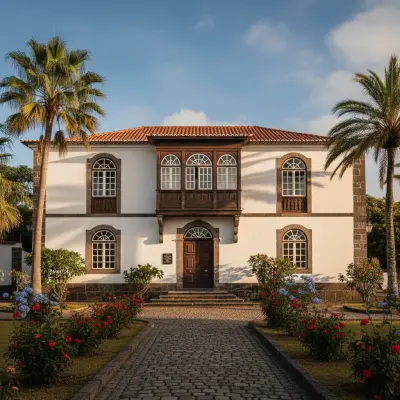
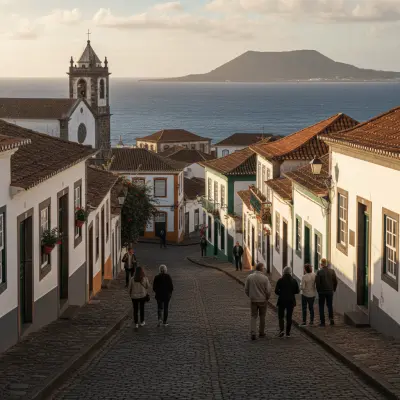
The writer Vitorino Nemésio was born here in 1901, on Rua de São Paulo, and his house is now a museum. But his presence is felt most in the way Praia da Vitória maintains its literary identity, some say Mau Tempo no Canal is impossible to fully grasp without walking these streets. The 15th-century Church of Santa Cruz, with its Gothic portal and Manueline side door, is another historical anchor worth stopping for.
Alcatra and Biscoitos wine
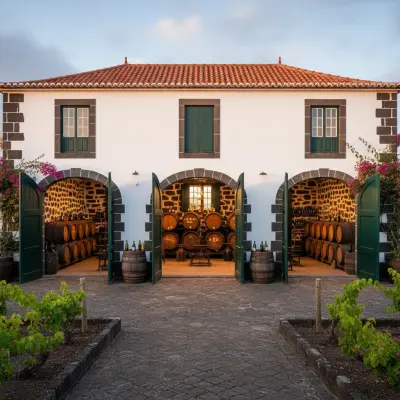
Eating in Praia da Vitória means eating alcatra, Terceira's signature dish, beef slow-cooked in an unglazed clay pot with wine, spices, and lard. Fish versions exist too, and both demand bread for soaking up the dark sauce. To drink, try the Verdelho wine from Biscoitos, produced twenty minutes away in vineyards sheltered by basalt stone walls along the coast. The Museu do Vinho dos Biscoitos documents this tradition and offers tastings at the end of your visit.
When to go and how long to stay
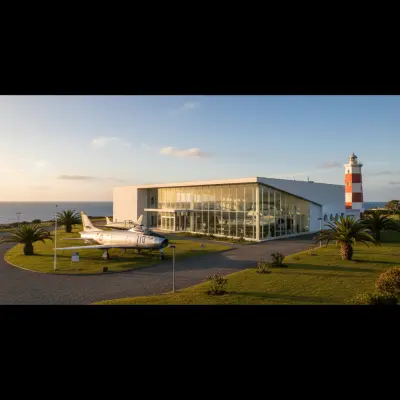
The Festas da Praia run from August 1 to 11, kicking off with the Gastronomia fair on day one, it's the biggest event of the year. Outside that window, the town is quiet and the beach rarely crowded. One full day is enough to cover the centre, beach, and marina; two days if you want to climb Serra do Cume (545 metres, with panoramic views across the island's patchwork fields) and visit the Air Base Nº4 Museum, which traces the region's military history from World War II onward.