Praia da Vitória on the Cheap: An Honest Guide
In Praia da Vitória, a tight budget isn't punishment: it's often the best way to understand the island. From the blond sand bay to the volcanic pools of Biscoitos, an honest guide to full days for under 40 euros.
There's a lazy idea floating around that the Azores are expensive. They aren't. What's expensive is getting there, and then, if you fall into the trap of treating Terceira like Santorini. Praia da Vitória in particular is a town that rewards travellers with thin wallets and open eyes. The horseshoe bay, the blond sand (yes, blond: brought by the Atlantic, not by the council), the white houses framed in black basalt: all of it is free. What follows is a guide to stretching every euro without missing the good stuff. No stone soup, no lies.
First: the five euro rule
The rule is simple. In Praia da Vitória, anything that costs more than 5 euros for a coffee, a sandwich, or a museum entrance is probably trying to pull a fast one. The town hasn't been colonised by Lisbon prices yet, and daily life still happens at numbers that feel from another decade. A galão costs just over a euro at a neighbourhood pastelaria. A bifana runs about 2.50 euros. A serving of stewed octopus at a decent restaurant away from the marina is under 12 euros. Memorise this and use it as a mental filter.
The corollary: stay off the marina front at lunchtime. The terraces with direct boat views charge a scenery premium, and the food rarely justifies it. Walk two blocks inland, into the parallel streets, and prices drop by a third.
Sleeping cheap without sleeping badly
The real brake on any Azores budget is summer accommodation. In July and August, Praia fills with Azorean families on holiday and returning emigrants, and prices spike. The obvious solution: go off season. From October through May, you'll find decent local accommodation under 50 euros a night, often in traditional houses with wrought iron balconies.
If you must go in August, consider staying in Vila Nova, a few kilometres away, or in Biscoitos. These are residential areas, cheaper, and you have easy bus or lift access to the centre. Another honest option: the municipal campsite, practically on top of the beach. For backpackers, it's unbeatable.
The beach that gives the town its name
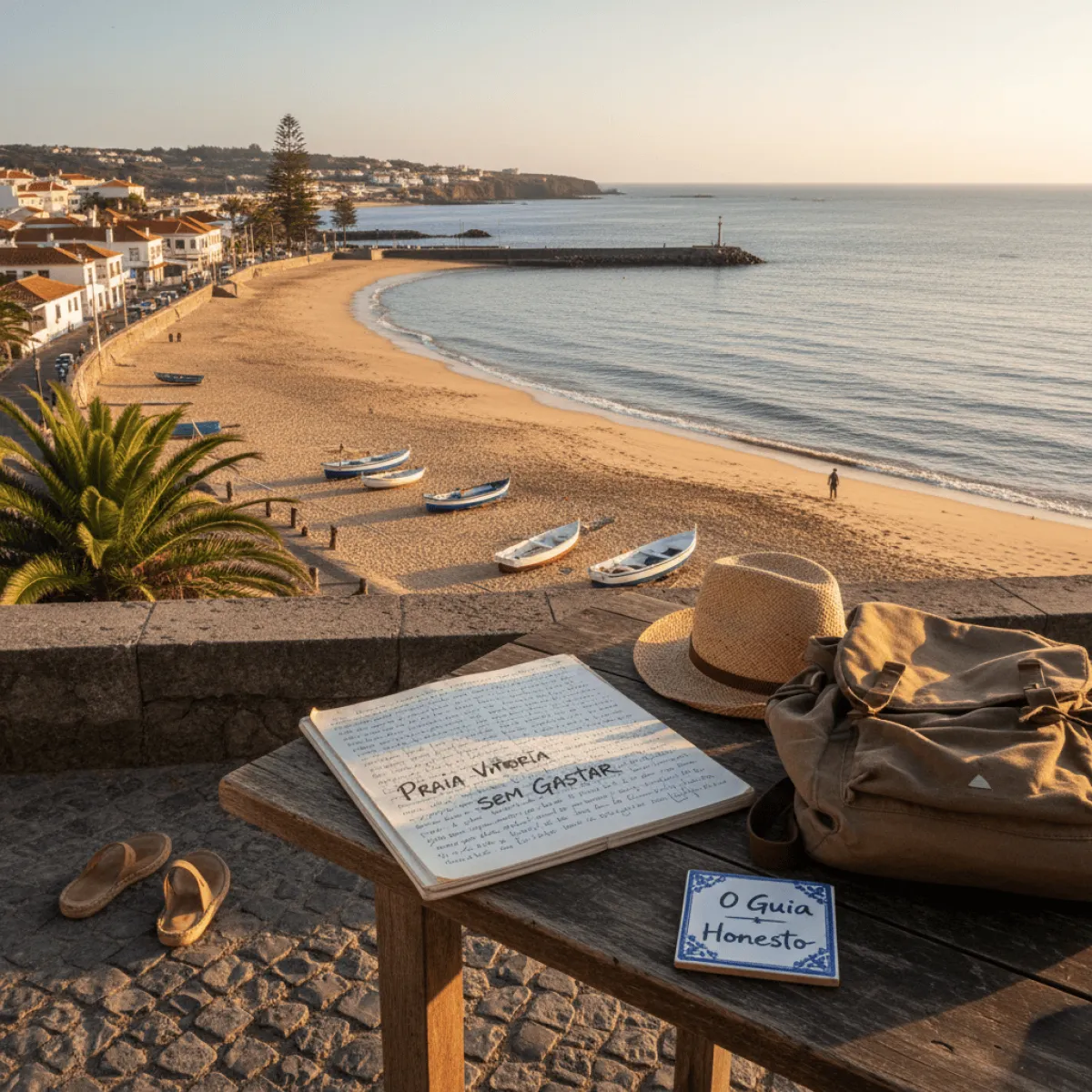
The biggest saving in Praia da Vitória is also its best experience: the beach. That kilometre of golden sand with a Blue Flag, changing rooms and lifeguards in high season, all free. Bring a towel, a water bottle, a book, and you've sorted an entire day for zero euros. The Atlantic is fresh, but in August it reaches 22 degrees, bearable for anyone not spoiled by the Algarve.
Specific advice: go early, before 10am, and you'll have the beach almost to yourself. The light is better, the heat hasn't kicked in, and you can have breakfast at the seafront pastelaria for under 3 euros. At night, the seafront fills with locals strolling, and it's one of the most authentic social spectacles on the island. All free.
Museums for pocket change (or nothing)
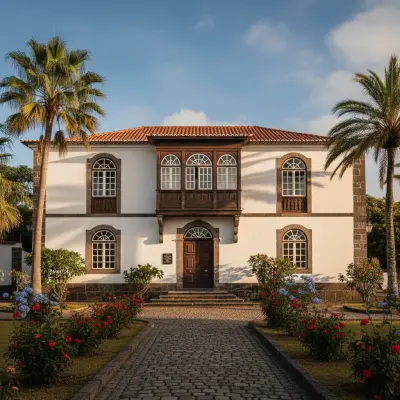
Here's Praia's best-kept secret: culture is almost free. The Casa Museu Vitorino Nemésio charges a symbolic entrance fee and is worth the visit just for the architecture of the house where one of the greatest Azorean writers was born. Even visitors who've never read Nemésio leave understanding something about what it means to be an islander. Allow about an hour, take time to read the displayed manuscripts.
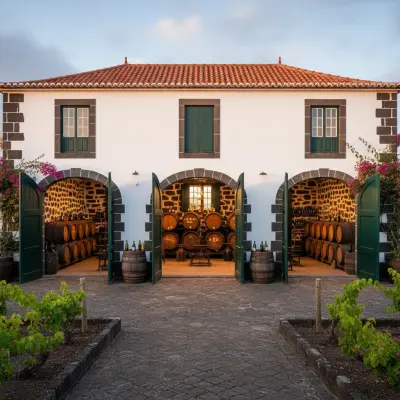
Twenty minutes by car or bus, in the parish of Biscoitos, sits the Museu do Vinho dos Biscoitos, set in a property of the Brum family. Dirt cheap entrance, and at the end of the visit you can taste the local Verdelho, a white wine with character that costs half what you'd pay in a Lisbon wine shop. Buy a bottle to take home: it's the most honest souvenir on the island.
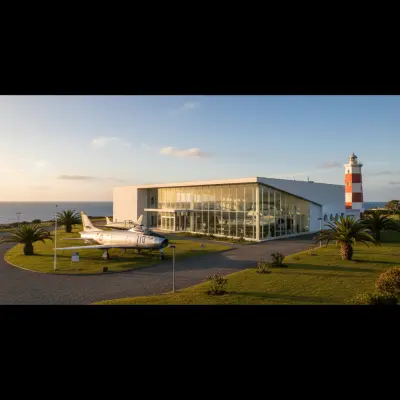
For anyone interested in military history, or simply curious why Terceira has hosted an American base for decades, the Núcleo Museológico da Base Aérea Nº4 is unmissable and, again, nearly free. The Cold War photo collection of aircraft landing at Lajes from Washington is a forgotten chapter of European history.
Eating well for under 15 euros
Good news: in the Azores, eating well is hard to avoid. Bad news: if you go to the wrong places, you'll pay 25 euros for a frozen alheira with chips. Here's the heuristic: look for the tascos where work vans park at lunchtime. It's foolproof. Local workers don't pay 18 euros for a plate, and where they eat, the value is guaranteed.
Always order the dish of the day. Nearly every restaurant in Praia runs a lunch menu between 8 and 12 euros, soup included, coffee at the end. The rotating mains are usually cozido, alcatra (the Terceira version is sublime, slow cooked in a clay pot with red wine and bacon), grilled fish of the day, or octopus. Avoid the tourist menu at night, which is double the price.
Another trick: the reinforced afternoon snack. At a pastelaria, a sandwich of island cheese (the famous São Jorge), a fresh juice and a pastry will set you back 5 or 6 euros and carry you through to dinner. Cured São Jorge cheese, bought at a minimarket, costs around 20 euros a kilo, against the 35 or 40 you'd pay on the mainland. Buy a small wedge, pair with a country loaf and you've got a picnic for two.
Drinking: the craft beer worth the splurge
There is one place where it's worth spending a little more: the Brianda craft brewery in Biscoitos. It's a family microbrewery, and the tour with tasting is a long way from Lisbon's absurd prices. You pay a fraction of what a night at a Bairro Alto bar would cost, and you go home with the memory of a beer brewed from volcanic water filtered through basalt. Reserve by phone before you go, they're a small operation.
For the rest, stick with imperials at neighbourhood cafés. A small Especial costs just over a euro. The marina bars charge 3.50 for the same beer. The maths is cruel but clear.
Getting around without renting a car
The car is the biggest hidden cost for anyone visiting the Azores. 35 to 50 euros a day in August, plus fuel. If you're only in Praia da Vitória for two or three days, skip it. The town is fully walkable in half an afternoon. To get to Biscoitos or Angra do Heroísmo, there's a local bus company with reduced but workable schedules, and tickets under 3 euros per journey.
Much more fun alternative: a bike. The E-Bike Tour through Praia da Vitória sorts out the question of the surroundings without the stress of driving. The electric bike eats the climbs for you, and in half a morning you ride the north coast, stop at the Biscoitos natural pools (free, volcanic, fantastic), and return with legs left for dinner.
The Biscoitos pools deserve their own paragraph. They're black lava formations, sculpted by the sea, with channels and basins where you swim with small fish darting between your legs. You pay nothing. Bring rubber shoes, the basalt cuts.
Free events worth the trip
Praia da Vitória is a town that celebrates a lot. In August, the Festas da Praia take over the seafront: free concerts every night, popular marches, bull running on a rope (controversial, but indisputably Terceiran), cheap street food. The town fills up, but if you go at the start or end of the week, you avoid the worst crush.
Outside that week, there's always something: Holy Spirit religious feasts, with bodos where meat, bread and wine are distributed to visitors; parish festivals where a bowl of soup costs a euro; brass band concerts at the square bandstand. Ask at the tourist office what's on during the week of your visit. Almost all of it is free.
Stretching the trip: the rest of the archipelago
If Terceira is your entry point to the Azores, there are cheap SATA inter-island flights that make it tempting to see others. For planners, it's worth pairing Praia da Vitória with a quick escape. Our 24 hour guide to Horta shows how to stretch a short flight to Faial. For views, the guide on the best rooftops and panoramic spots in Horta handles two good afternoons. And for those who prefer São Miguel, it's worth exploring the gastronomic trek through Ponta Delgada, which shows how to eat well in the Azorean capital without falling into the postcard restaurants.
What NOT to do (savings by subtraction)
- Don't rent a motorbike or scooter in high season. The Praia wind is treacherous, and contracts come with absurd excess clauses.
- Don't buy souvenirs at the marina shops. Ceramics and cheese cost half as much at small grocers in the inner town.
- Don't pay for whale watching trips from Terceira if you're heading to other islands. Pico and Faial are cheaper and have better sightings.
- Don't order fish at a restaurant where the menu doesn't state the price per kilo. Always ask first.
- Don't arrive on the island without changing money or using the ATM at the airport: some parishes have no card terminal.
A sample day, under 40 euros
To close with real numbers: breakfast at a town centre pastelaria, 3 euros. Morning on the beach, free. Visit to Casa Museu Vitorino Nemésio, 2 or 3 euros. Lunch with dish of the day, soup and coffee, 10 euros. Afternoon on a half day bike rental, 12 euros (or free if you walk). Dinner of São Jorge cheese sandwich from the minimarket, with Biscoitos wine, 8 euros. Total: around 36 euros, and the day was full.
Praia da Vitória isn't the island that shows up in the Pico or São Miguel brochures. It doesn't have spectacular lakes or volcanoes collapsing into the sea. It has an honest bay, people who still look you in the eye, food that tastes like food, and prices that still make sense. For travellers on a tight budget, it's one of the better kept secrets of the Atlantic, and living proof that being broke in the Azores isn't punishment: it's often the best way to understand them.