The Cold War museum hiding inside an active air base
Most visitors to Terceira Island come for the volcanic landscapes, the festivals, and the alcatra stew. Almost nobody puts a military aviation museum on their itinerary. That's a mistake, at least if you care at all about why a small island in the middle of the Atlantic ended up playing an outsized role in twentieth-century geopolitics.
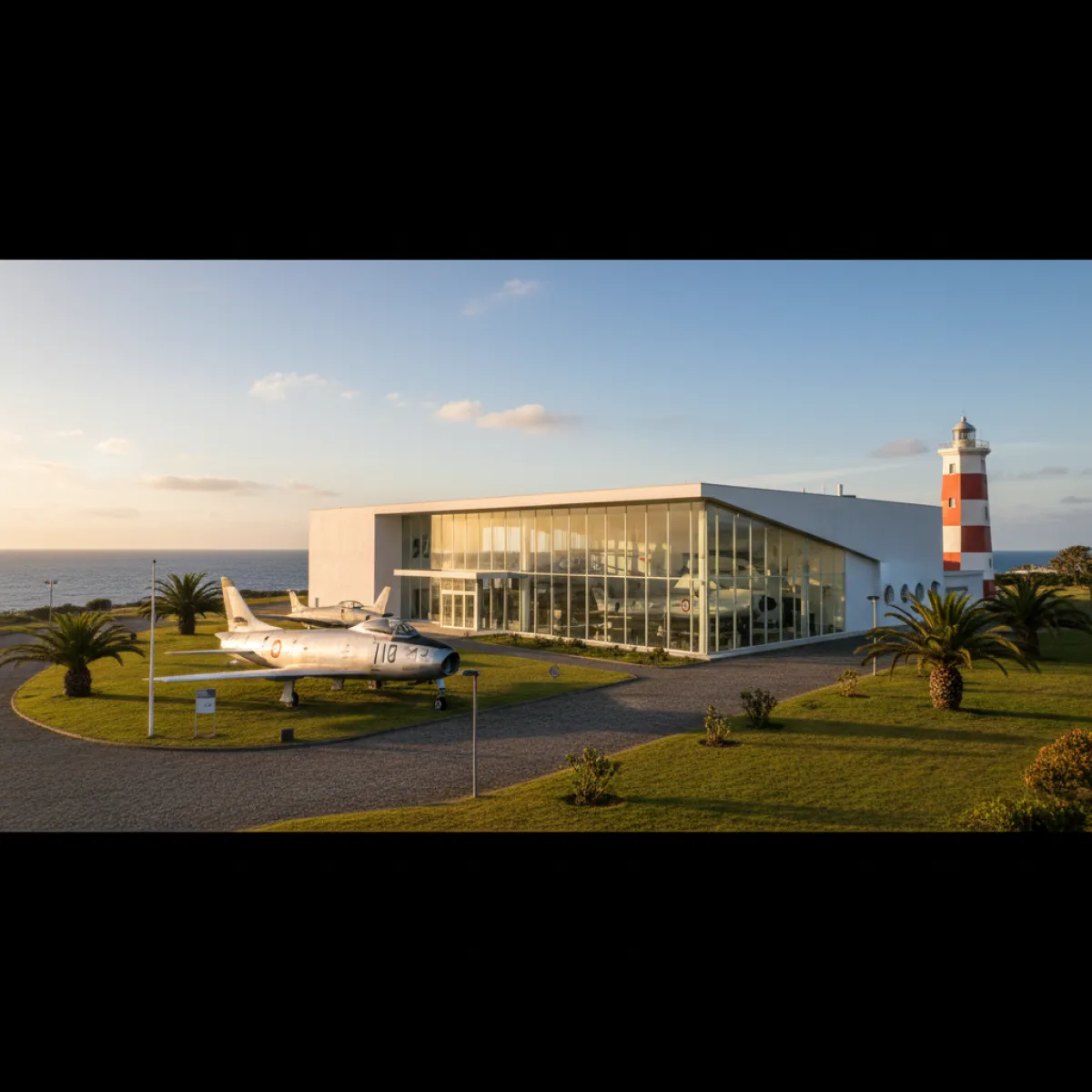
The Núcleo Museológico da Base Aérea Nº4 sits inside the Lajes Air Base, just outside Praia da Vitória. It documents over 80 years of Portuguese Air Force presence on the island through photographs, original documents, and military artefacts. The story it tells is a good one: how a remote Azorean airfield became a critical refuelling stop during World War II, a linchpin of NATO's Atlantic strategy during the Cold War, and a base that hosted both Portuguese and foreign military operations for decades.
What's inside
Don't expect a flashy, interactive experience. This is a proper old-school military museum, glass display cases, informational panels, and a quiet seriousness that suits the subject matter. The collection includes uniforms and insignia from different eras, communications equipment, and official documents, some still bearing handwritten annotations and stamps that make the bureaucracy of war feel strangely personal.
The black-and-white photographs from the 1940s and 1950s are the highlight for me. They show the base being built, the first aircraft landing at Lajes, and the daily life of the servicemen stationed there. There's a whole section on the American military presence that, for decades, turned Praia da Vitória into a little pocket of Americana, complete with bowling alleys and hamburger joints. That chapter of Azorean history is largely forgotten now, and the museum handles it with useful context rather than nostalgia.
Who should visit
Military history enthusiasts and aviation buffs will get the most out of this. If you're the kind of person who reads the plaques at every monument, you'll love it. If you're looking for something to entertain small children on a rainy afternoon, look elsewhere.
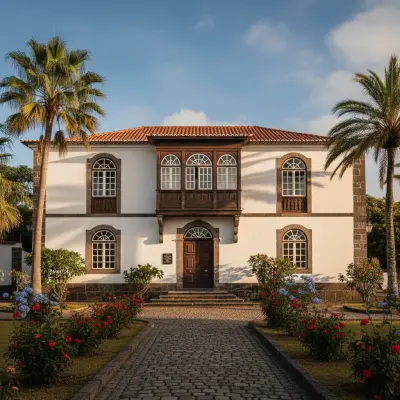
That said, it pairs remarkably well with Praia da Vitória's other cultural sites. The Casa Museu Vitorino Nemésio gives you the literary side of Terceira, the birthplace of one of Portugal's great twentieth-century writers. The air base museum gives you the geopolitical side. Together, they offer a much richer picture of the island than any amount of whale watching or hot spring soaking.
Getting there and practical details
The museum is located inside Base Aérea Nº4, Lajes, 9760 Praia da Vitória, a short drive from the town centre. Because this is an active military installation, access may be subject to specific conditions. Call ahead on +351 295 540 206 to confirm visiting hours and any entry requirements. Bring photo ID just in case.
Admission is cheap (€ range). Opening hours aren't reliably published online, so that phone call is genuinely important, don't just show up. There's no gift shop or café on site, so grab a coffee in Praia da Vitória before or after.
Make a day of it
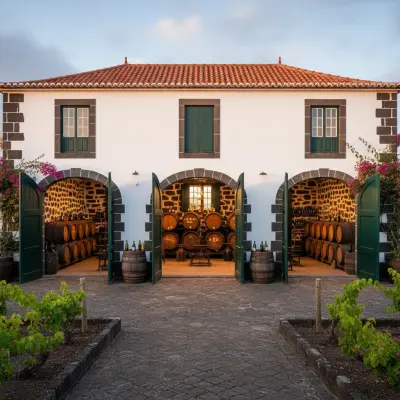
The best way to visit is to combine it with a drive along Terceira's north coast. After the museum, head to the Museu do Vinho dos Biscoitos, where you can taste the island's distinctive verdelho wine, grown in tiny walled plots carved out of volcanic rock, protected from Atlantic winds. The road between Lajes and Biscoitos is gorgeous, and the contrast between a Cold War air base and an eighteenth-century wine tradition is pure Azores.
If architecture interests you, our guide to modernism in Praia da Vitória explains how the 1980 earthquake and the military presence shaped the town's built environment in ways you can still read in its streets today.
Take your time with the exhibits. Read the panels. Look closely at the photographs, there are stories of emergency landings, of diplomatic alliances struck in haste, of young pilots stationed thousands of miles from home. The history of Lajes Air Base is, in many ways, the history of the Atlantic in the twentieth century. This small, serious museum is the best place to understand it, no NATO security clearance required.