Sleep
€€€
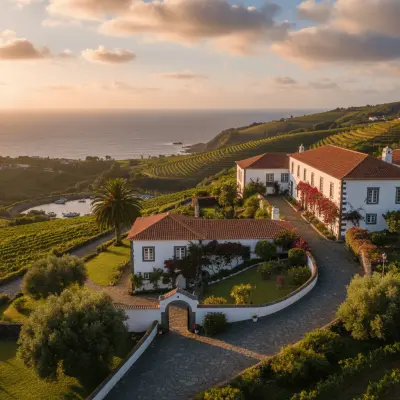
Quinta do Falcão
Vila do Porto
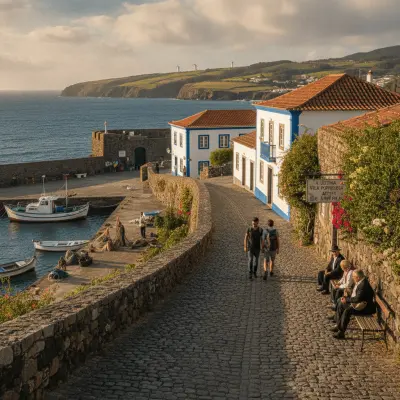
Santa Maria isn't just the oldest island in the Azores: for nearly two decades, the runway above Vila do Porto was the last stop for transatlantic flights before they crossed the ocean. The town that grew up around it still feels like the end of the line, just with golden sand.
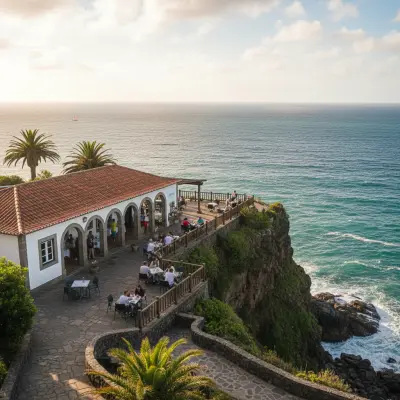
On Santa Maria, the oldest and cheapest island in the Azores, sleeping well without overspending is entirely possible if you know where to look. From rural stays like Quinta do Falcão to free views at Miradouro da Macela, here's how to make every euro in Vila do Porto count.
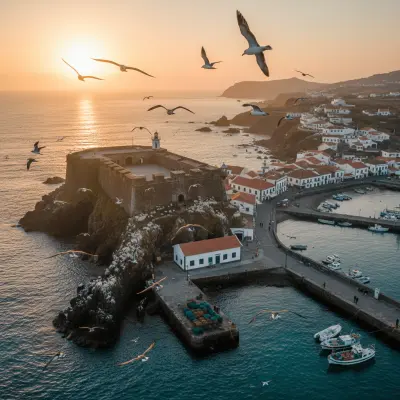
Wake at 5:30 to hear Cory's Shearwaters at Miradouro da Macela, eat a warm queijada on the seawall, and reach Forte de São Brás before the cargo ships arrive. A one-night, two-coffee playbook for the oldest town in the Azores.
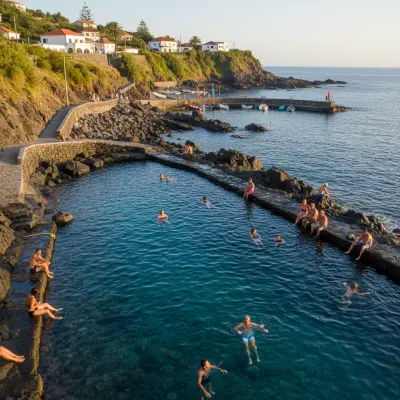
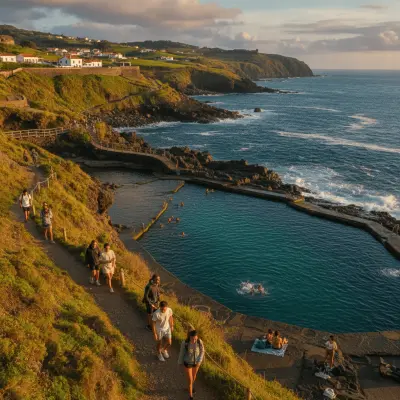
Santa Maria has the emptiest natural pools in the Azores, even in August. From Anjos to São Lourenço, via the Blue Flag pool at Maia, a practical guide to swimming on the island Azoreans keep to themselves.
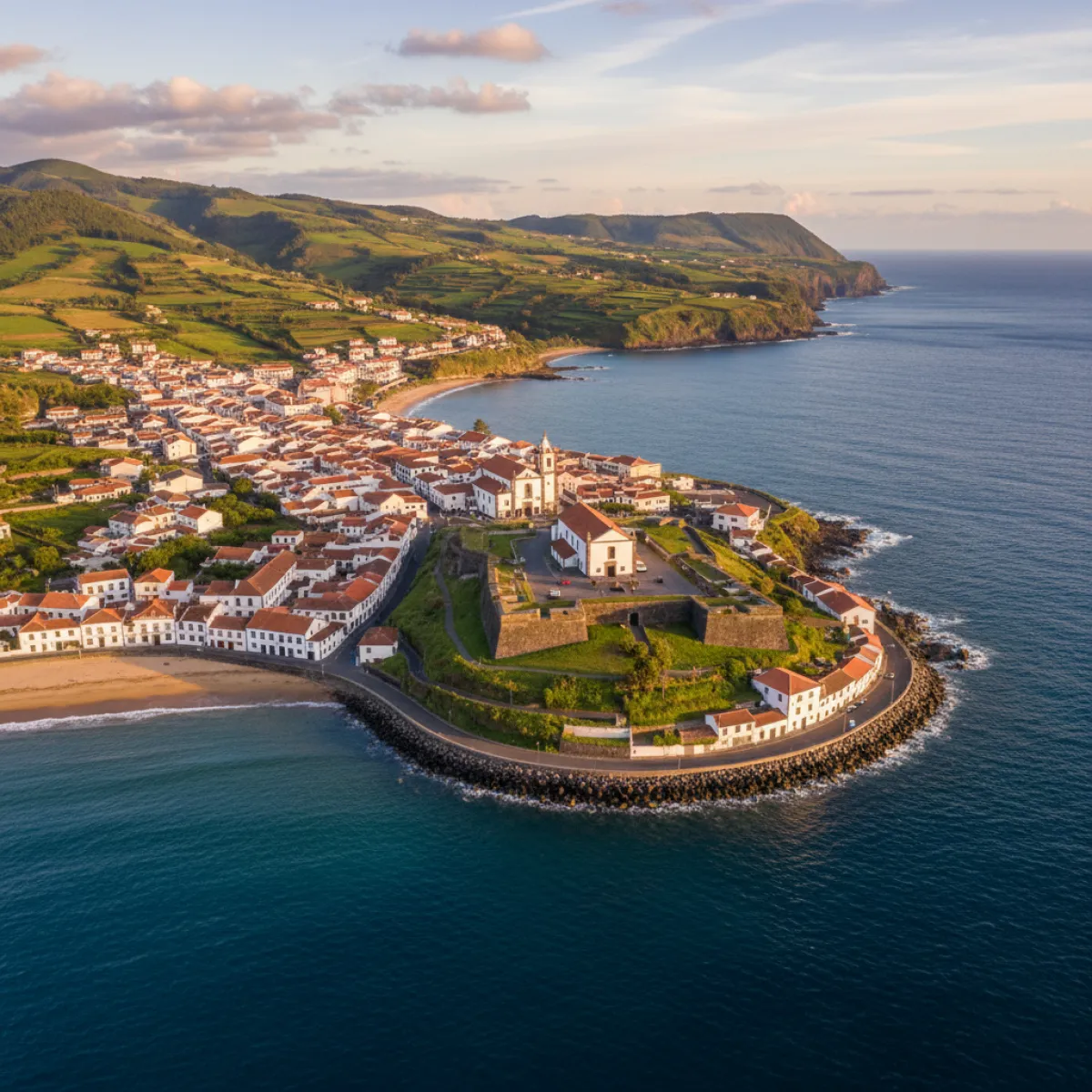
Vila do Porto holds a distinction no other Azorean settlement can claim: this is where it all started. In 1432, Gonçalo Velho Cabral landed on this coast and founded the first settlement in the entire archipelago. Today, Santa Maria's capital remains small, walkable in half an hour, but that scale is precisely what makes it work.
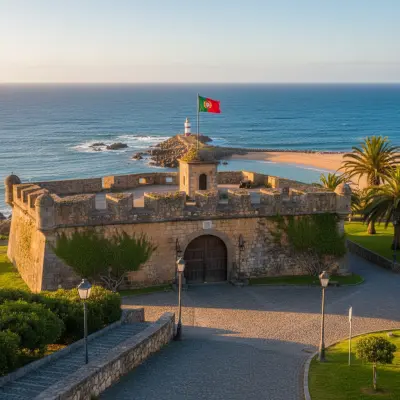
The historic centre runs between the Igreja de Nossa Senhora da Assunção, one of the oldest churches in the Azores, and the Forte de São Brás, a 17th-century fortress built to fend off corsair raids. Between the two, the cobblestone streets are short and quiet. At Largo Sousa e Silva, the viewpoint over the harbour gives you a straight line of sight to the marina and the Atlantic stretch separating Santa Maria from São Miguel.
Before leaving the centre, step into the Casa dos Fósseis, officially the Dalberto Pombo Environmental Interpretation Centre. The collection of marine fossils proves that Santa Maria is the oldest island in the archipelago, with geological formations found nowhere else in the Azores. It's a modest museum, but it gives context to everything you'll see in the landscape afterwards.
Santa Maria is known for its artisanal cheeses, a topic we've already covered in one of our guides, but don't stop there. Sopa do Espírito Santo, a hearty soup made with beef, spearmint and bread, appears on almost every table during feast days. Grilled limpets and octopus stewed in vinho de cheiro are two classics you'll find in local restaurants. For dessert, biscoitos de orelha close the meal without fuss.
Santa Maria is the warmest and driest island in the Azores, they call it "the sun island" and it mostly lives up to the name. From June to September the weather holds steady, and in August Praia Formosa hosts the Maré de Agosto Festival, the oldest music festival in the Azores, with a world music programme that draws visitors from across Europe. If you prefer quiet, June and early July are your window.
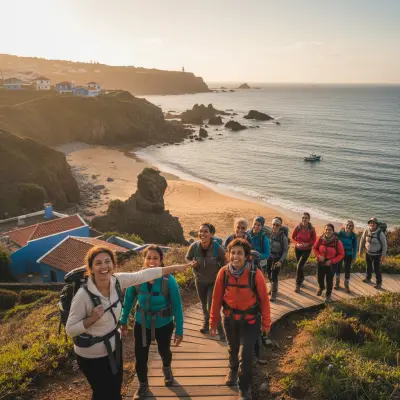
Three days is enough to see the whole island properly. Vila do Porto works as a practical base: it has most of the accommodation, the marina, and the airport connection. But the real draw lies beyond the town, in the natural pools, the coastal trails, and viewpoints like Miradouro da Macela, one of the best observation points on the island.