Vila do Porto: The Best Natural Pools Worth Getting Wet For
Santa Maria has the emptiest natural pools in the Azores, even in August. From Anjos to São Lourenço, via the Blue Flag pool at Maia, a practical guide to swimming on the island Azoreans keep to themselves.
Santa Maria is the Azorean island that Azoreans keep to themselves. While São Miguel absorbs the low-cost flights and Faial draws the sailing crowd, this small stretch of land at the archipelago's southern extreme keeps its natural pools almost empty, even in August. That alone is reason enough to go.
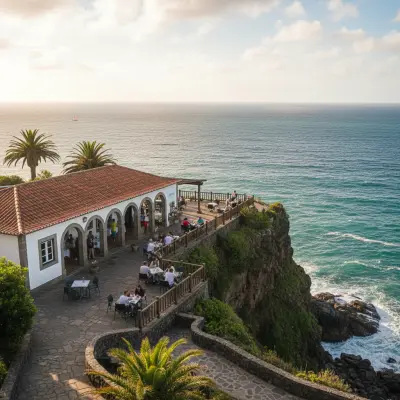
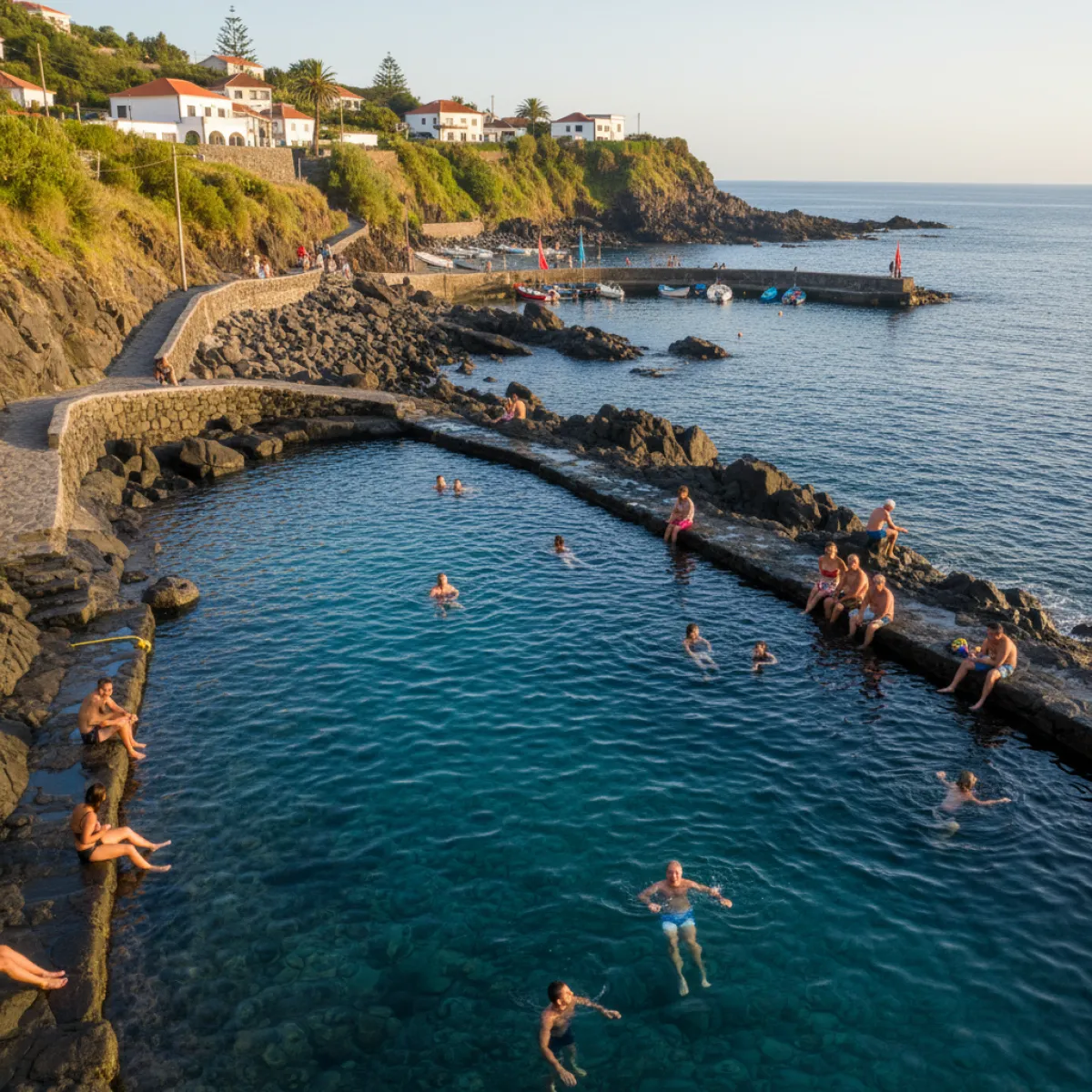
Vila do Porto, the island's only town, serves as a base for exploring a coastline where volcanic rock has carved out swimming pools of clear water, shielded from the open Atlantic. Don't expect resort infrastructure. Expect dark basalt, water hovering around 22°C in summer, and the luxury of not having to fight for space.
Anjos: The Most Accessible Natural Pool on the Island
Baía dos Anjos sits about 7 km northwest of Vila do Porto, and it's probably the first place locals will send you when you ask "where can I swim?" There's a good reason: it's Santa Maria's best-equipped natural pool. Changing rooms, showers, a bar with a terrace, parking, and accessibility for visitors with reduced mobility. The volcanic rocks form a natural barrier that keeps the water calm even when the sea is rough, making it ideal for families with small children.
The water here is surprisingly mild. It's not the Mediterranean, but it's not the thermal shock you'd expect in the North Atlantic either. Best time to go is late morning, when the sun has warmed the rock but the afternoon wind hasn't arrived. If you snorkel, the area near the ocean entrance has decent visibility and a few schools of fish that have grown accustomed to bathers.
One detail few mention: Baía dos Anjos is also a stopover for migratory birds. If you're on the island between September and October, bring binoculars. The combination of swimming and birdwatching sounds unlikely, but it works.
Maia: The Blue Flag Pool with Vineyard Terraces Above
If Anjos is the practical choice, Maia is the scenic one. The Piscina Natural da Maia sits on the island's north coast, in the parish of Santo Espírito, and has consistently earned Blue Flag status and QUERCUS gold classification for water quality. This isn't marketing: the water is genuinely crystalline.
What makes Maia special is the setting. Terraced vineyards descend the hillside to the coast, creating a green natural amphitheatre that contrasts with the black basalt. The pool is separated from the open sea by a strip of rock, which means calm, transparent water on most days. It's smaller than Anjos, more intimate, and usually less frequented.
Getting there means navigating tight switchbacks down to the coast. There's no reliable public transport, so renting a car is essentially mandatory on Santa Maria. Rental prices vary, but expect 30-45 euros per day in high season. Check locally for availability, as options are limited.
Near Maia, the Cascata do Aveiro is worth a quick detour. It's not a massive waterfall, but it drops directly into the sea in a photogenic way that justifies the five-minute walk. From there, the Farol da Ponta do Castelo lighthouse is a short drive away.
São Lourenço: The Bay That's a Nature Reserve
São Lourenço is where Santa Maria plays its strongest card. The bay is shaped like an amphitheatre, with white houses by the water, vineyards on the terraces above, and a white sand beach (yes, white sand in the Azores, it's rare) with tide pools at the edges. It's a Nature Reserve, and you can tell: the marine biodiversity here is superior to the rest of the island.
The tide pools at São Lourenço are different from the natural pools at Anjos or Maia. They're wilder, less managed, and tide-dependent. At low tide, shallow pools form between rock formations, perfect for children or anyone who prefers warmer water from the greenhouse effect of the sun. At high tide, they disappear. Check tide tables before you go, available online or at the Vila do Porto tourist office.
By the São Lourenço pier there's a Blue Flag natural pool with better infrastructure and easier access. There's a bar, showers, and toilets. In summer months, particularly July and August, this is probably Santa Maria's busiest spot, which means about 30 or 40 people. By mainland standards, it's still deserted.
If you want to explore Santa Maria's coast with someone who genuinely knows it, the Santa Maria trails and beaches experience with SMATUR combines hiking and bathing spots in a guided format that reveals access points and paths you'd struggle to find alone. Particularly useful if you're short on time.
Praia Formosa: The Big Beach (and Its Side Pools)
Praia Formosa is Santa Maria's largest sand beach and its most well-known. It sits south of Vila do Porto and hosts the Maré de Agosto festival, which every year brings live music to this improbable setting. But what few people explore are the rock formations at the beach's edges, where low tide creates natural pools with marine life visible to the naked eye: sea urchins, anemones, small crabs.
These tide pools aren't really for swimming. They're for observing. Bring water shoes (basalt is unforgiving on bare feet) and go at low tide. It's a perfect activity for mornings when the sea is too rough for the natural pools.
When to Go and How to Plan
Swimming season in Santa Maria runs from June to September, with July and August offering the best water temperatures (21-23°C). Outside these months, the pools remain accessible, but the water cools significantly and some support facilities close.
Direct flights from Lisbon to Santa Maria take about two and a half hours. There are also inter-island connections from Ponta Delgada. If you're coming from São Miguel, you can easily combine both islands: swim in Santa Maria's pools and then explore the food scene in Ponta Delgada on the way back.
For views that complement the swimming, Miradouro da Macela offers a panorama of practically the entire island. Go in the late afternoon, when the low-angle light turns the green pastures golden. It's the best spot to grasp Santa Maria's scale and plan your next days on the coast.
Practical Tips That Actually Matter
- Always bring water shoes. Basalt is beautiful but merciless on bare feet.
- Reef-safe sunscreen, please. These pools are ecosystems, not hotel swimming pools.
- Check sea conditions before choosing which pool to visit. Rough sea on the north coast? Head south. And vice versa.
- Eat lunch before heading to Maia or São Lourenço. Food options exist but are limited, and in high season they can run out early.
- If you're planning to island-hop, Horta on Faial is an excellent addition to any Azores itinerary. Check our 24-hour Horta guide to make the most of a short stop.
What to Eat After the Swim
After a day in natural pools, appetite is guaranteed. Santa Maria doesn't have São Miguel's gastronomic range, but what it offers is honest and good. Look for grilled limpets with garlic butter, stewed octopus, and Azorean tuna steak. The local fresh cheese, served with pimenta da terra (regional chilli paste), is the perfect appetizer while you wait for your main course.
In Vila do Porto, half a dozen restaurants serve regional cooking without fuss. Don't expect tasting menus or elaborate presentations. Expect fresh fish, generous portions, and fair prices for the Azores (count on 15-25 euros per person for a full meal with a drink).
Santa Maria's signature sweet is the melindre, a small egg-and-lemon biscuit you'll find in virtually every bakery on the island. Buy a bag for the journey home.
Why Santa Maria Over Another Island
Every Azorean island has natural pools. São Miguel has more of them, Faial has the finest panoramic views over the sea, Pico has the volcanic drama. But Santa Maria has something the others have lost or never had: human scale. The island is small enough that in three days you can visit every pool, every beach, every viewpoint. And unknown enough that you'll do it without crowds.
The water is warmer, the climate drier, and the landscape has a softness that contrasts with the volcanic drama of the rest of the archipelago. Santa Maria is limestone and basalt, vineyards and pastures, white houses and blue sea. It's the simplest island in the Azores. And sometimes, simple is exactly what you need.