Visit
€
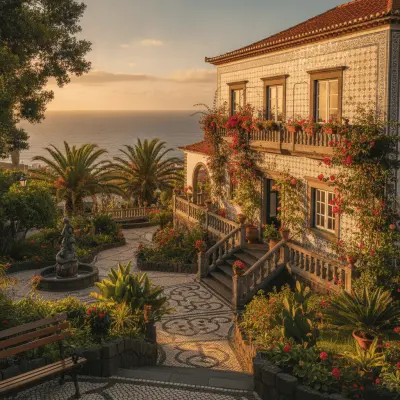
Parque Jardim da Graça
Machico
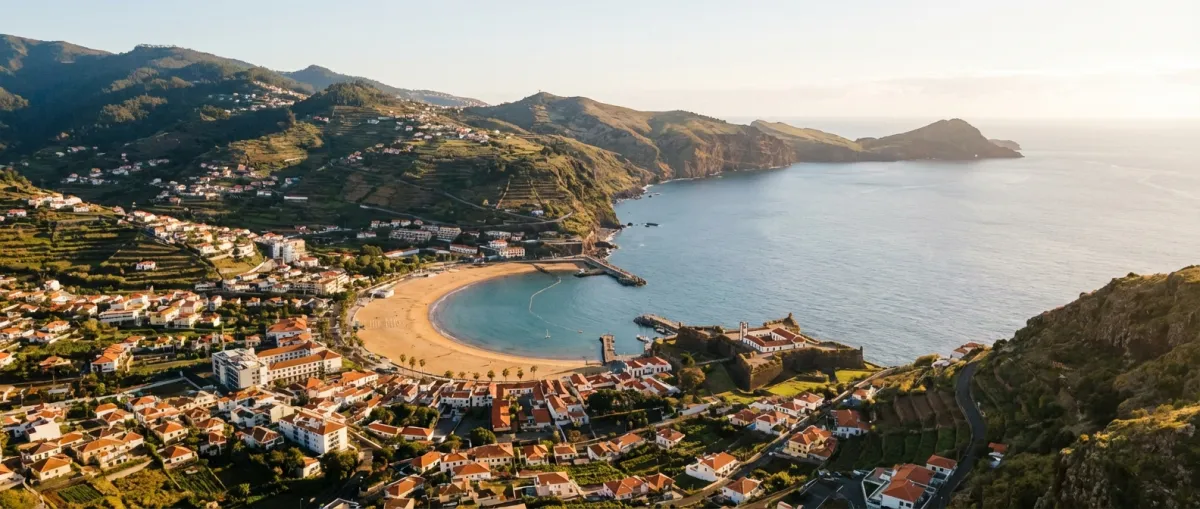
Madeira's first capital has two beaches, one of the most remarkable Manueline churches in the Atlantic, and direct access to Levada dos Maroços and Ponta de São Lourenço. One or two days is enough to understand why Machico existed before Funchal, and why it still deserves the detour.
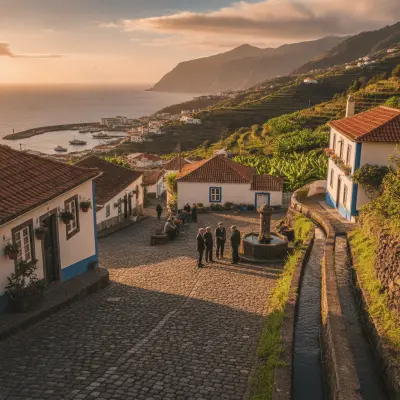
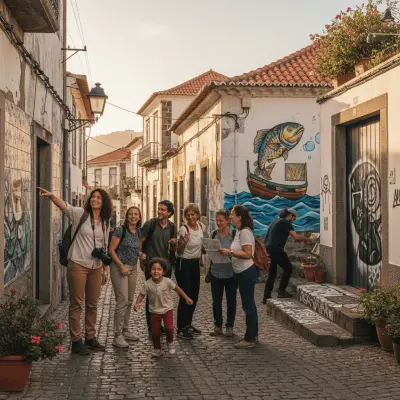
Most people see Machico for seven minutes, from the motorway, on the way to Funchal. Mistake. The town where Madeira began hides murals, vertiginous trails and the east's best scabbardfish, all on the other side of the river.
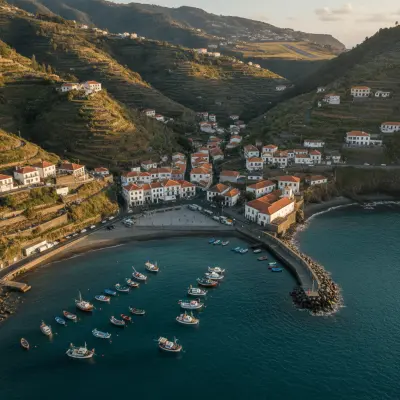
Everyone passes through Machico on the way to Funchal and nobody stops. Mistake: this is where you find Madeira's only golden sand beach, the Larano cliff trail, and the best lemon poncha in the east. Here is why you should slow down.
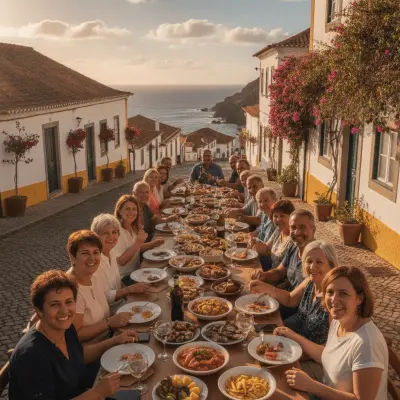
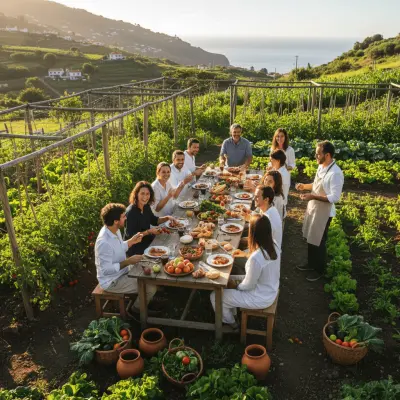
In Machico, locals eat with their backs to the sea and their eyes on the plate. An honest guide to limpets, bay-laurel espetada, scabbard fish with banana, and the poncha you sip slowly.
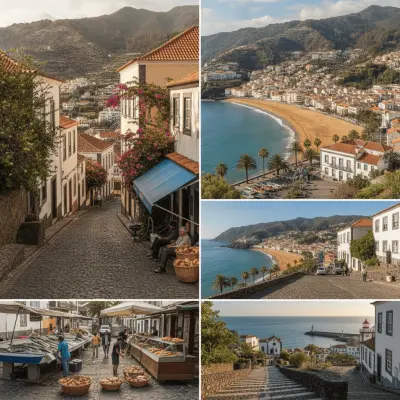
Machico is split in two by a river, and the side you pick changes your whole stay. Golden sand at your door or the historic old town? An honest guide to choosing the right neighborhood, with where to sleep, where to eat and what to do on day one.
Machico was Madeira's first capital, and that fact alone should change how you think about this town. It was here that Zarco and Tristão Vaz Teixeira landed in July 1419. Here that the first mass in the archipelago was celebrated. And from here that the entire island was governed for over half a century, until Funchal took over in 1508. By then, Machico already had nearly a hundred years of history behind it.
What defines Machico at first sight is the bay, wide, open, flanked by mountains on both sides. On the western bank, São Roque beach keeps Madeira's traditional pebble shore. On the eastern side, Banda d'Além beach has yellow sand imported from Morocco, one of the very few sand beaches on the island. On summer days, this is where locals gather. Don't expect resort infrastructure, expect families, kids in the water, and kiosks serving poncha.
The Igreja Matriz de Nossa Senhora da Conceição, built in 1499, has a Manueline portal donated by King Manuel I, it's one of the most remarkable pieces of religious architecture on any Atlantic island. A short walk away, the Chapel of São Roque (1489, rebuilt in 1739) holds blue-and-white tiles from the 18th century. The 18th-century Fort of São João Baptista now serves as a cultural space, and Solar do Ribeirinho lets you step inside a traditional Madeiran manor house.
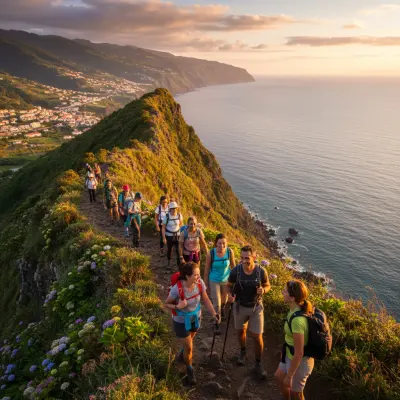
Machico is the gateway to some of the island's best hikes. Levada dos Maroços, about 6.5 km, relatively flat, crosses the so-called Mimosa Valley through agricultural terraces with views over the bay and the Atlantic. More demanding, the climb to Pico do Facho rewards you with a full panorama of the east coast. And Ponta de São Lourenço, the dry, windswept peninsula at the island's eastern tip, with 180-metre cliffs dropping into the sea, starts just a few kilometres from here.
One full day is enough to explore the historic centre and fit in one hike. Two days let you combine beach, levada, and a trip to Ponta de São Lourenço without rushing. In October, the Festa do Senhor dos Milagres (October 8 and 9) fills the town with candlelit processions carried by fishermen, one of Madeira's oldest and most deeply felt celebrations, rooted in the 16th century and tied to the devastating flood of 1803.