Sleep
€€
Ilha & Montanha - Turismo Rural
Santana
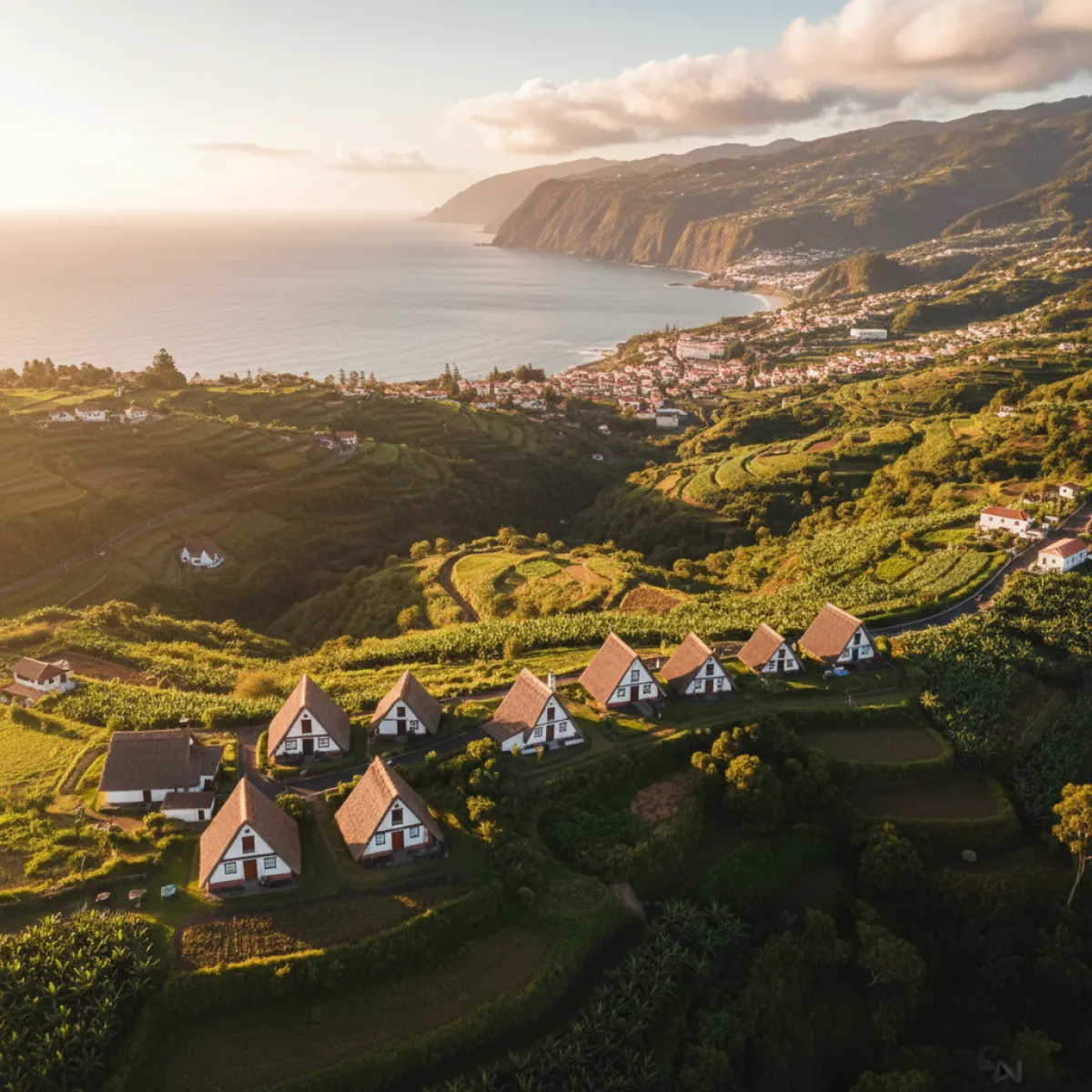
Santana is rural, vertical Madeira, Laurissilva forest, rock-carved levadas, and agricultural terraces on the island's northern coast. Set aside two days for the hiking trails, local cider, and stone architecture that tour buses drive right past.
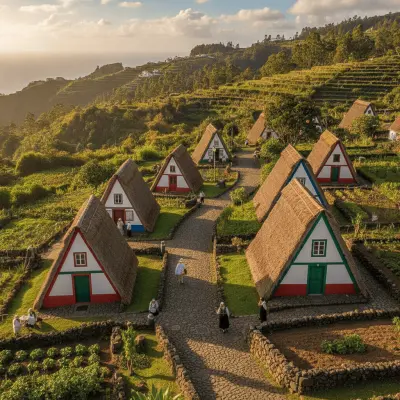
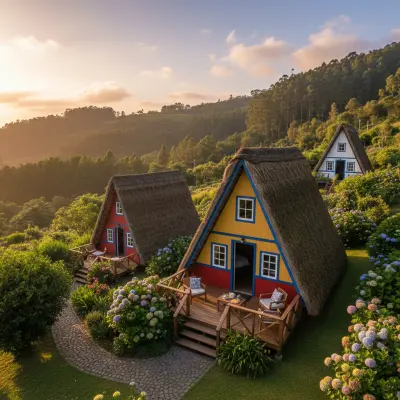
In Santana, on Madeira's rain-soaked north coast, nearly 1,880mm of annual rainfall shaped the island's famous triangular thatched houses. A walking route through town, from the parish church to the Núcleo de Casas Típicas, with levadas and good beds along the way.
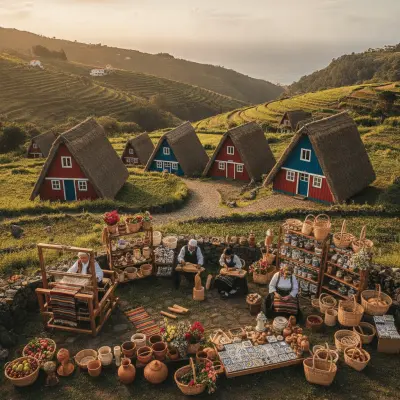
In Santana, a three-euro plastic miniature thatched house sells a few metres from the real wood-and-thatch originals still standing. Worth knowing the difference before you buy.
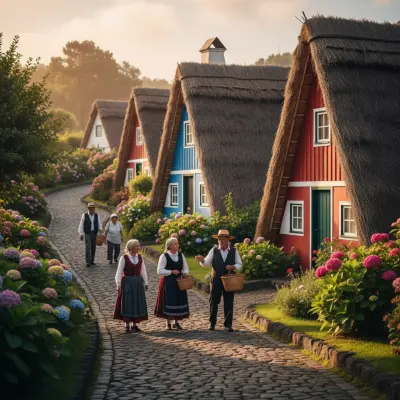
Santana is far more than thatched houses to photograph. A four-kilometre walk through the historic centre reveals basalt walls, hand-turned chestnut balconies, and traces of water mills that tell the story of a village built against the wind.
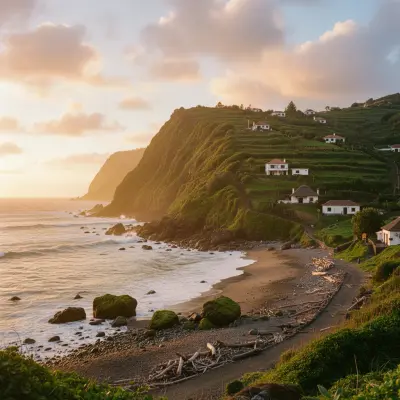
Santana doesn't do golden sand beaches, it has volcanic rock, natural pools, and miles of coastline without the crowds. A practical guide for anyone who wants to swim in the Atlantic without fighting for towel space.
Santana is the side of Madeira most visitors experience from a car window, they stop to photograph the thatched A-frame houses, buy a slice of bolo de mel, and drive on. That's a mistake. This municipality on the island's northern coast, a UNESCO Biosphere Reserve since 2011, rewards anyone willing to spend at least two proper days here.
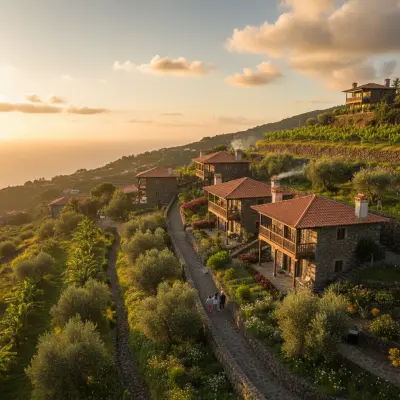
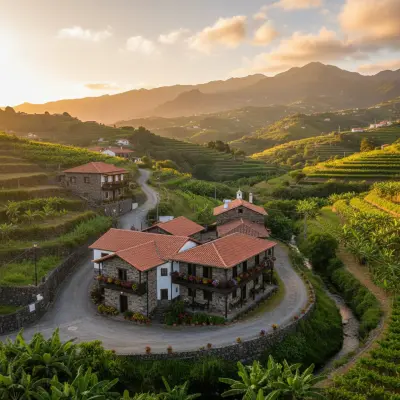
Yes, the triangular casas de colmo with their straw roofs are Santana's postcard image. The restored ones near the village centre, in the thematic park, give you a sense of scale, entire families once lived in these structures, with livestock on the ground floor. But Santana's real architecture is in the surrounding parishes: stone houses with wooden balconies, threshing floors suspended above valleys, and basalt walls holding up the poios, the agricultural terraces that define the northern landscape.
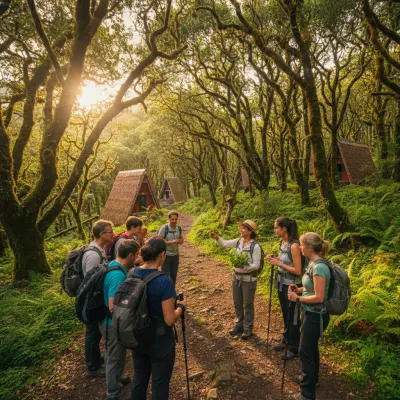
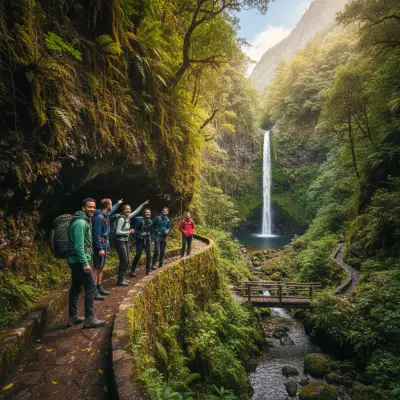
The Laurissilva forest covering much of the municipality's interior is a remnant of an ecosystem that once stretched across southern Europe millions of years ago. The Levada do Caldeirão Verde trail, starting from Parque Florestal das Queimadas, is one of Madeira's most striking hikes, roughly 13 km return through hand-carved tunnels and along centuries-old irrigation channels to a 100-metre waterfall. This is not a casual stroll: bring a torch and waterproof layers.
The food in Santana is rural Madeiran cooking. Look for carne de vinha d'alhos, bolo do caco with garlic butter, and espetada grilled on bay laurel skewers. Local cider, made from apples grown in the region, is less famous than Madeira wine but worth trying, especially during the Festa da Sidra, held every September in Largo do Município. Local markets sell yams, passion fruit, and custard apples grown on the surrounding terraces.
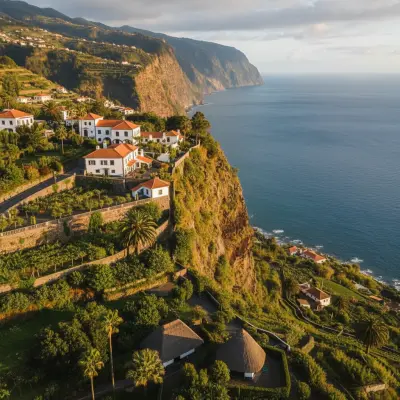
Northern Madeira is wetter and cooler than the south, which means denser vegetation and fewer crowds. May through October offers the most stable weather for hiking. Two to three days give you time to tackle the levadas, visit Rocha do Navio, a nature reserve reached by cable car down to a fajã by the sea, and wander the parishes at a slow pace. Santana isn't a beach destination or a nightlife hub. It's a place for walking, eating well, and sleeping with the window open above the valley.