Restaurants
€€€€
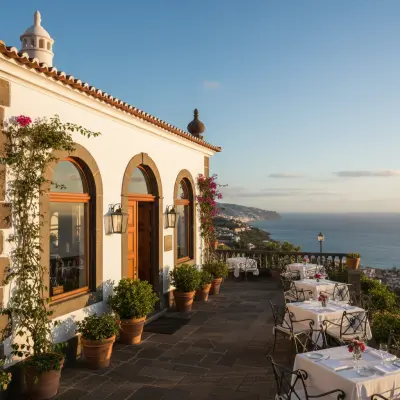
Il Gallo d'Oro
Funchal
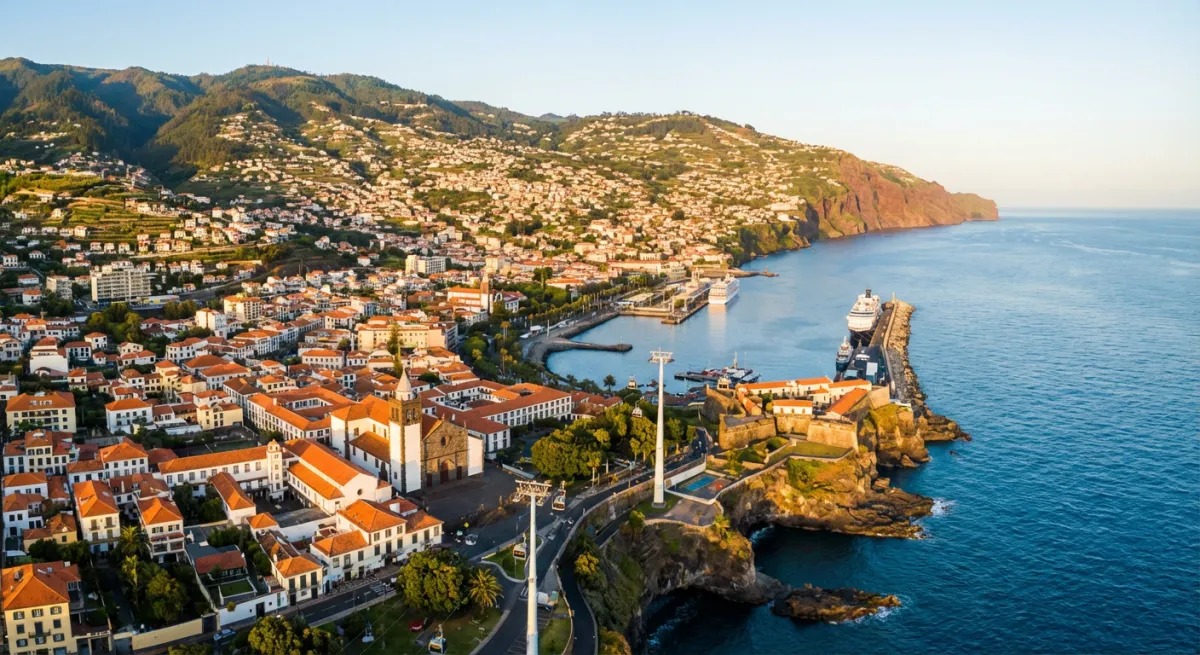
Madeira's capital with a real working market, strong poncha, and direct access to a centuries-old network of levada trails. Three days covers the city; a week if you want to hike the island from here.
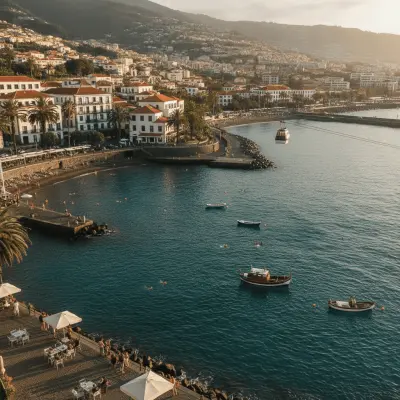
In September the sea off Funchal peaks at its warmest, tour buses vanish from the viewpoints, and the levadas go back to fitting one hiker at a time. It's the window locals quietly keep to themselves.
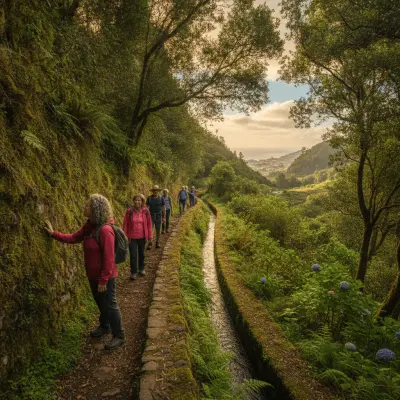
By September, the heat eases and August's crowds have thinned, but the water still runs hard through Funchal's levadas. It's the month when Caldeirão Verde rewards the effort without a queue in the tunnel.
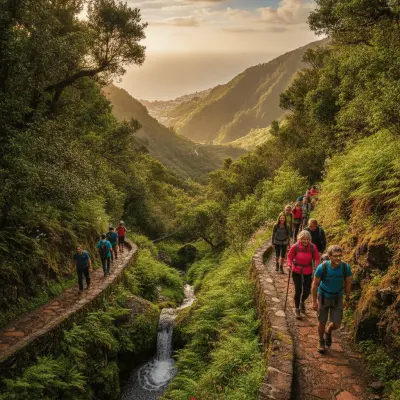
While Funchal's seafront hits 26 degrees, Queimadas Forest Park sits at 16 with the laurel forest dripping cool water. From Caldeirão Verde to the Levada dos Tornos, seven August walks with smart timings, the 3 euro trail fee explained, and where to eat afterwards.
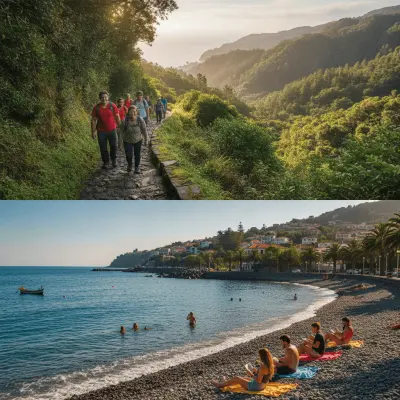
In July, Madeira asks for a plan with two halves: cool levadas at dawn, Atlantic swims by afternoon. From Caldeirão Verde to the rock pools, with an espetada at Casal da Penha in between.
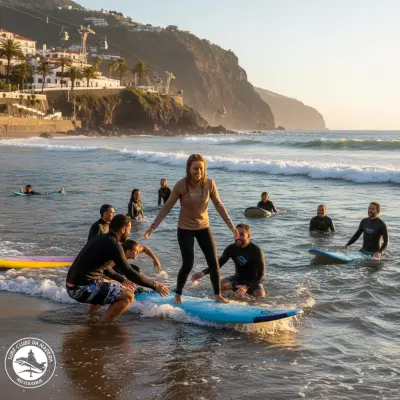
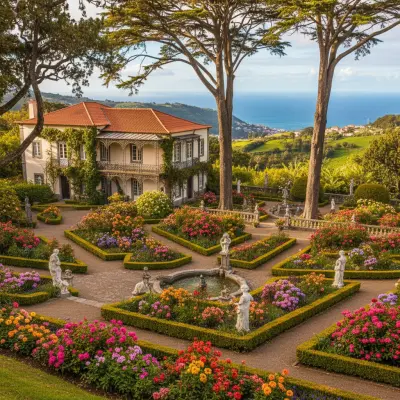
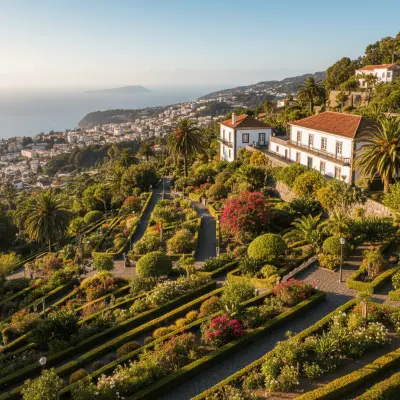
Funchal earns its place as Madeira's capital not through size but through density, of flavour, altitude, and things worth doing within a compact footprint. The city rises steeply from the Atlantic in a natural amphitheatre, surrounded by mountains that climb from sea level to over 1,000 metres in under twenty minutes by car. The warm Gulf Stream current keeps the water mild and the gardens permanently green.
Start in the Zona Velha, the old town, not for its aesthetics but for its function. Rua de Santa Maria, lined with doors painted by local artists, leads to restaurants where black scabbardfish with banana still appears on the plate without pretension. The Mercado dos Lavradores, on weekday mornings, operates as an actual market: women selling passion fruit and custard apples who know exactly when each piece is ripe. Avoid Saturday afternoons, when cruise ships empty their passengers and prices rise accordingly.
Before any itinerary, sit down and order a poncha, the original version made with sugarcane spirit, honey, and lemon juice, served in small glasses for good reason. For food, bolo do caco is the island's welcome bread: sweet potato dough cooked on basalt stone, served with garlic butter. Grilled tuna with fried corn and espetada, beef skewered on bay laurel sticks, define the Madeiran table. You'll find them across Funchal; the difference is in the care.
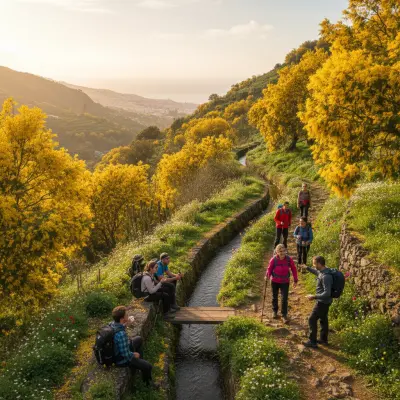
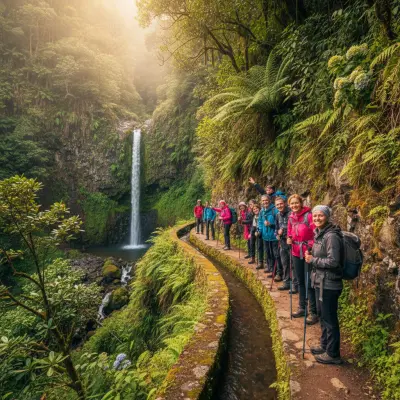
Three days is the minimum to cover the city and fit in at least one levada walk. Funchal works as a base for the entire island, and anyone who enjoys hiking can fill a week without repeating a trail. The levada network, 16th-century irrigation channels turned walking paths, begins practically at the city's edge. Caldeirão Verde and 25 Fontes are the most popular, but they require driving; for something accessible from the centre, Levada dos Balcões offers views over the Ribeira da Metade valley with minimal effort.
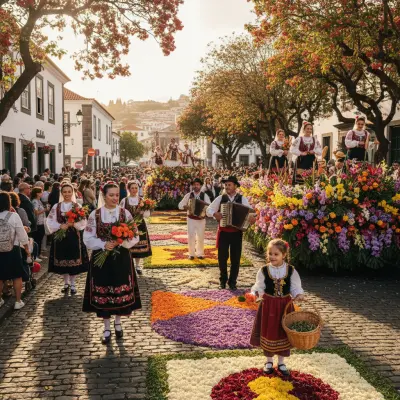
April and May bring the Flower Festival and comfortable temperatures between 18°C and 22°C. Summer is reliable but hotels fill with British and German visitors. December has the famous New Year's Eve fireworks, recognised by Guinness, but accommodation prices triple. For fewer crowds and good weather, September and October are the smart pick.