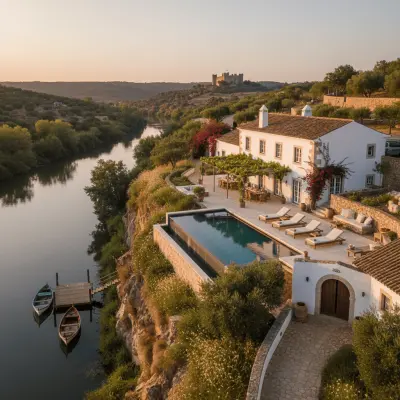
Sleep
€€
Paraíso D'el Rio
Mértola
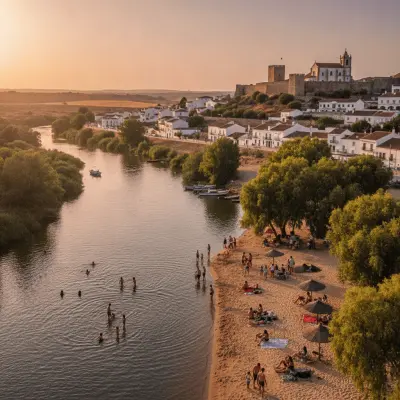
Mértola has no Algarve beaches, and that is exactly why you should go in July. Warm fresh water at Mina de São Domingos, boat trips down the Guadiana and tasca dinners with no tourists: the perfect antidote to a coast bursting at the seams.
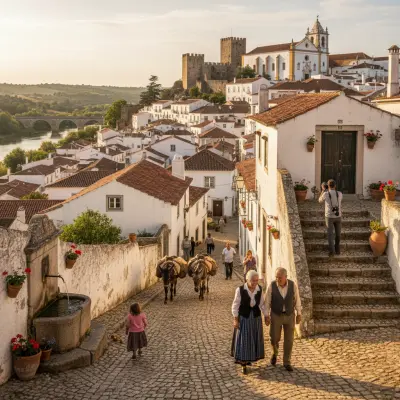
Mértola compresses centuries of Islamic, Roman, and medieval history into a town you can walk in a day, but that deserves two. From the steep lanes by the castle to the Guadiana riverbank, a guide to exploring the Alentejo's museum town at the right pace.
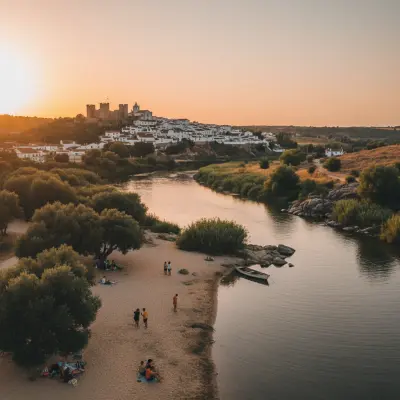
Mértola's river beaches along the Guadiana stay uncrowded even in August. The trick is arriving before 10am, when the river is yours alone, the castle looming above, and not a beach towel in sight.
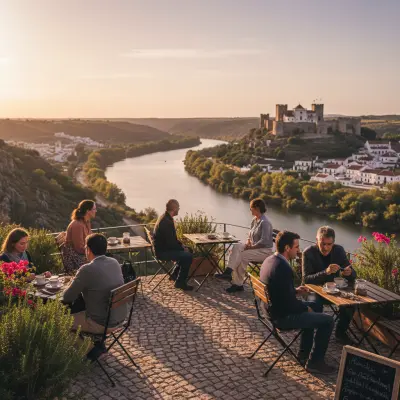
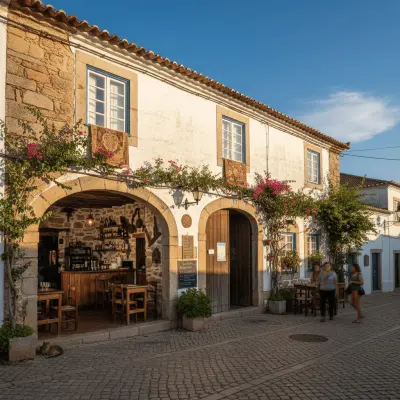
Mértola has maybe four good cafés, and that's all it needs. Carob cake, Serpa cheese with honey, and a bica overlooking the Guadiana. Interior Alentejo at the right speed.
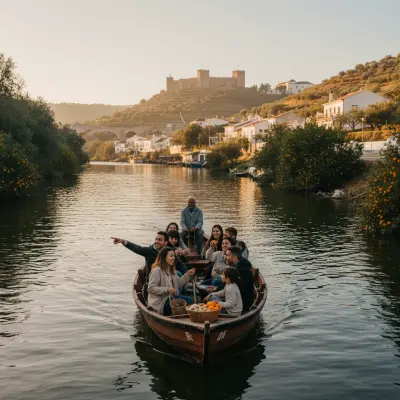
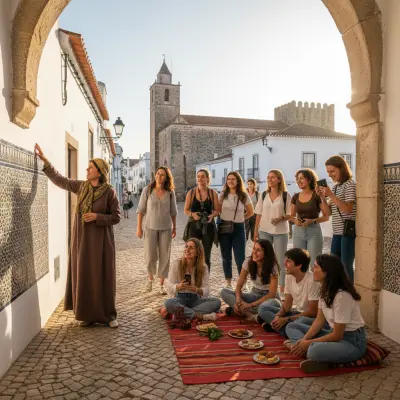
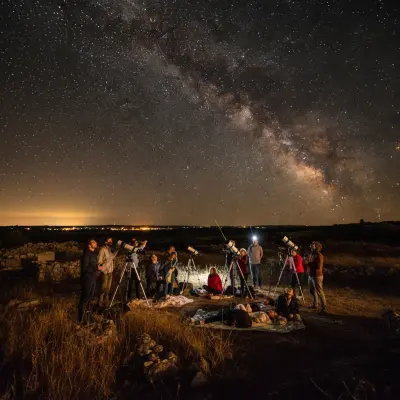
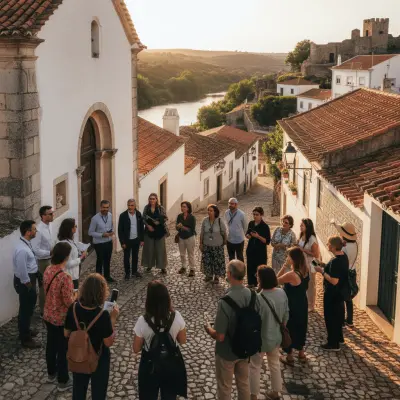
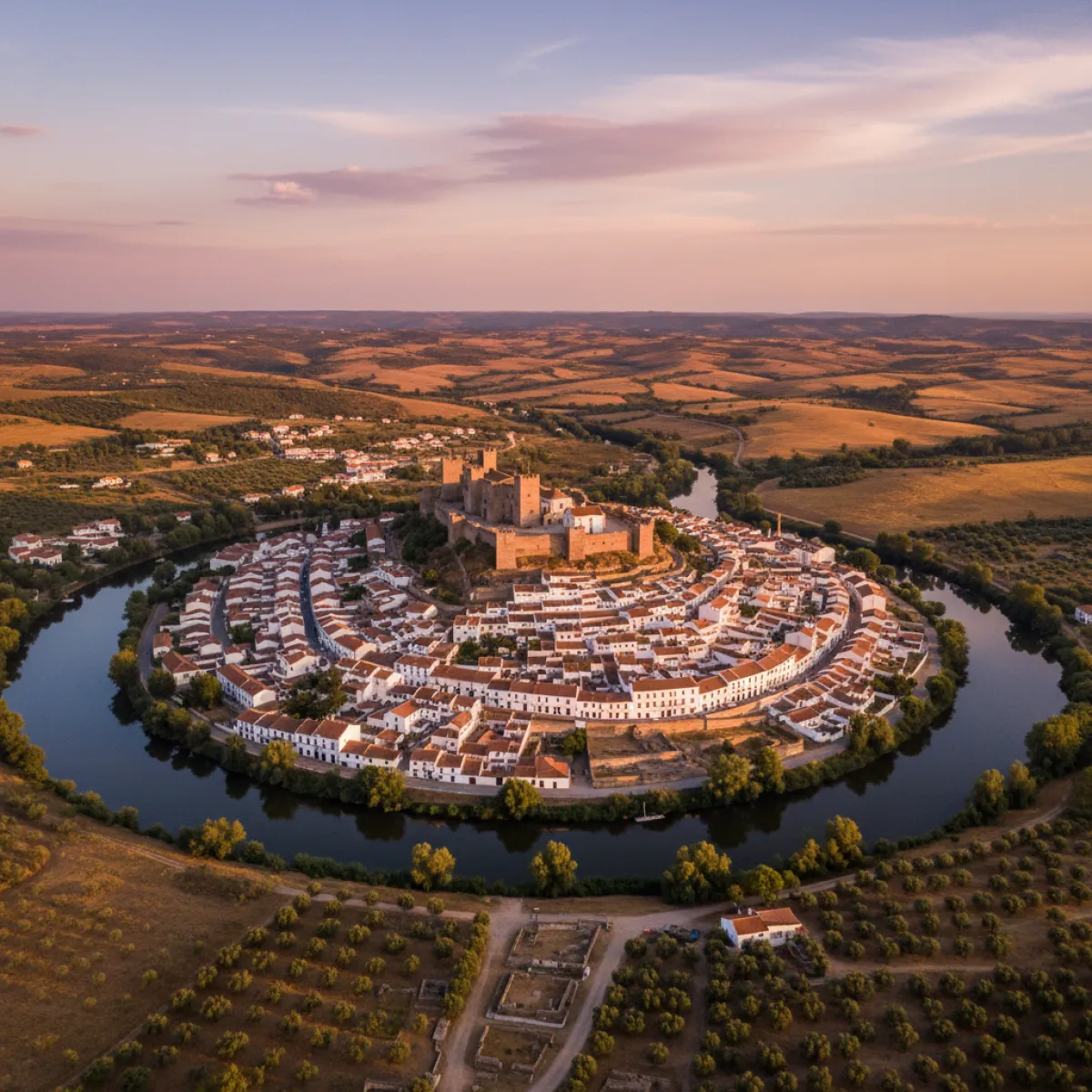
Mértola appears on the horizon like something staged, a cluster of white houses stacked on a rocky spur, the Guadiana River running wide and slow below. The first time you drive in on the N122, the view hits hard. But Mértola doesn't trade on first impressions. It rewards those who stay.
Few places in Portugal pack this much heritage into such a small footprint. The Museu de Mértola isn't a single building, it's a network of exhibition spaces scattered across town, from the Early Christian Basilica to the Islamic Art collection, the Castle, and the Igreja Matriz, a former mosque that still has its mihrab intact. You can walk through everything in a morning, but slower is better. Combined tickets cover all sites and are inexpensive.
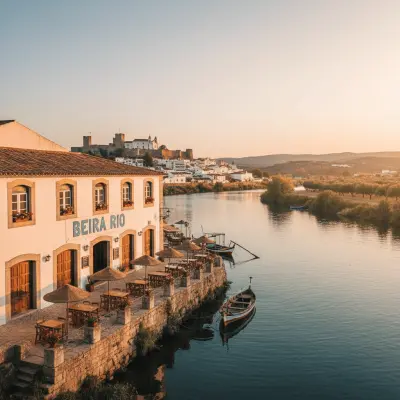
The river isn't scenery, it's the reason Mértola exists. For centuries, the Guadiana was navigable this far upstream, making the town a commercial port. Today, it offers river beaches with clean water and near-empty banks, especially upstream. Pulo do Lobo, about 15 km away, is the largest waterfall in southern Portugal, largely unknown and free of heavy tourist infrastructure, which is exactly the point.
Two days is the right amount. One for the town and museums, another for the river and the Parque Natural do Vale do Guadiana. Skip July and August unless you handle 40°C-plus heat well, spring is ideal, with wildflowers and bearable temperatures. If your visit coincides with the Festival Islâmico de Mértola, held every two years, you'll find the town turned into a souk with Maghrebi music, crafts, and food.
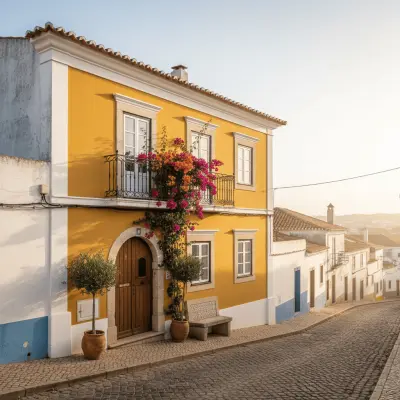
Mértola's cooking is Alentejo at its core, with local inflections. Look for ensopado de enguias (Guadiana eel stew), migas with black pork, and pão de cabeça. Restaurants are few and unfussy, don't expect elaborate menus, but do expect honest ingredients. Casa Amarela, already listed on boa.pt, is a solid starting point.
Mértola doesn't need a sales pitch. It needs to be visited slowly, preferably off-season, when the streets are empty and the loudest sound is the river.