Santiago do Cacém sits at an unlikely point on the map: far enough from the coast to avoid being a beach resort, close enough to reach the Santo André Lagoon in under fifteen minutes. This ambiguous position defines the experience. The town has a medieval castle on top, Roman ruins on the outskirts, and one of the country's largest coastal lagoons nearby, but none of the tourist pressure that usually comes with that kind of offering.
The castle and the old town
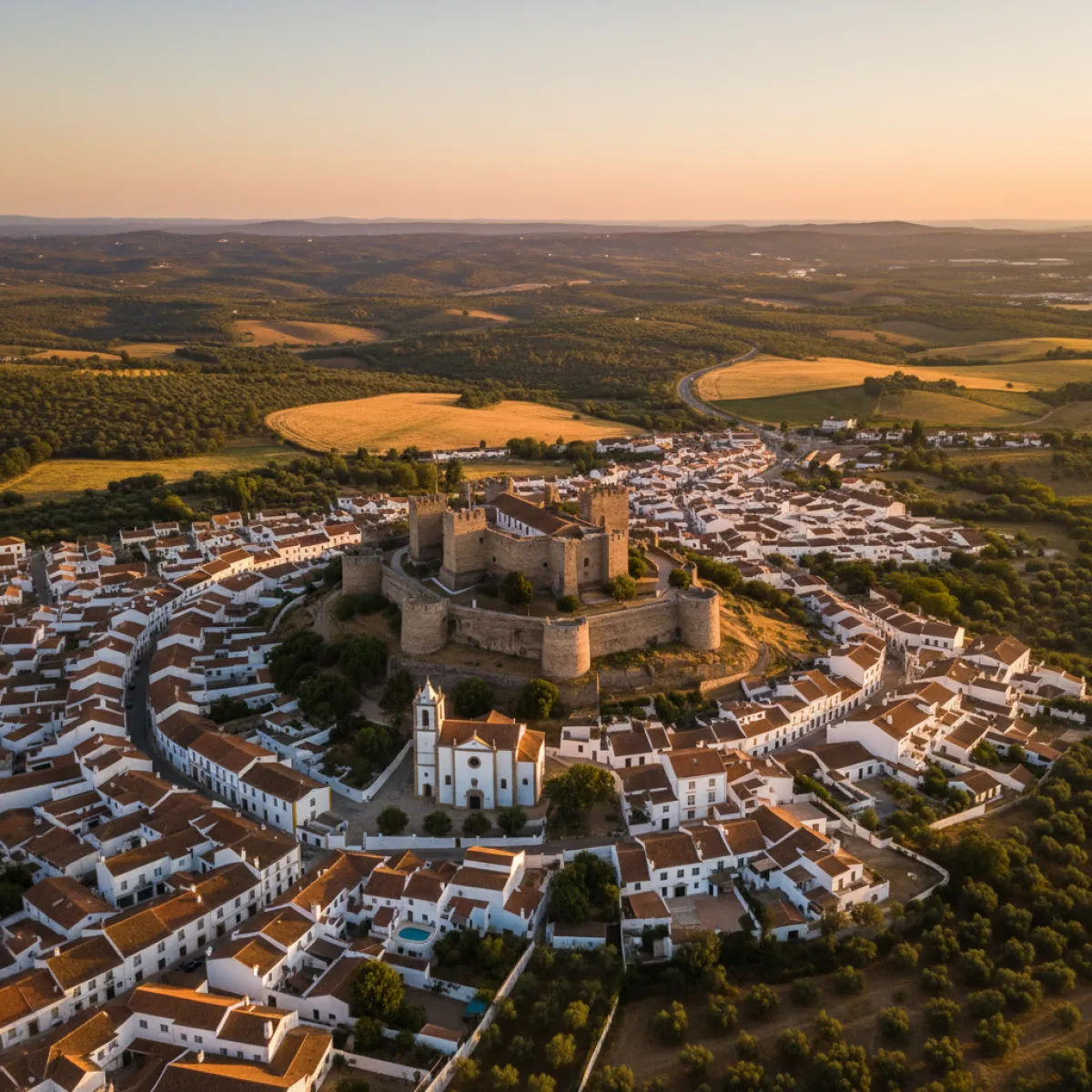
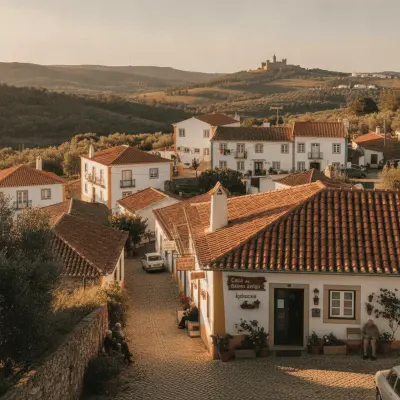
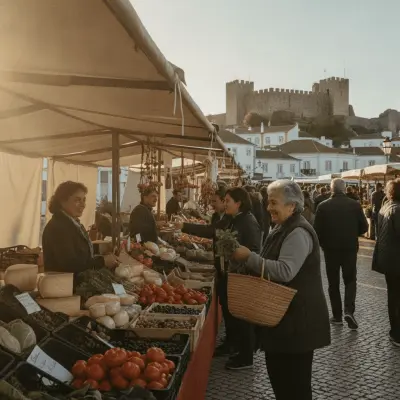
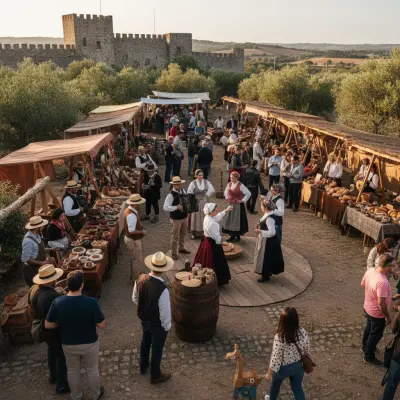
The Castle of Santiago do Cacém, originally Moorish and rebuilt by the Knights of the Order of Santiago in the 13th century, sits at the town's highest point. The municipal cemetery was placed inside the castle walls, an unusual decision that gives the site a strange, quiet atmosphere, very different from the museum-castles found elsewhere in Portugal. From there, you can see the whitewashed houses cascading down the slope and, on clear days, the coastline. The historic centre is arranged along narrow streets that descend from the castle to the lower town, where cafés and local shops cluster.
Miróbriga: Rome in the Alentejo
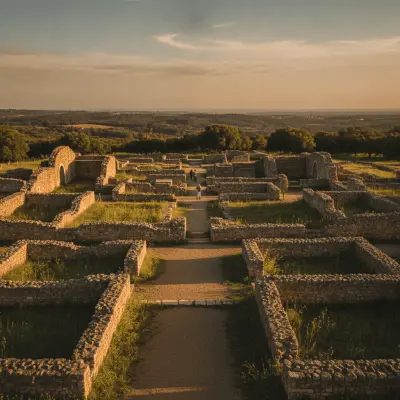
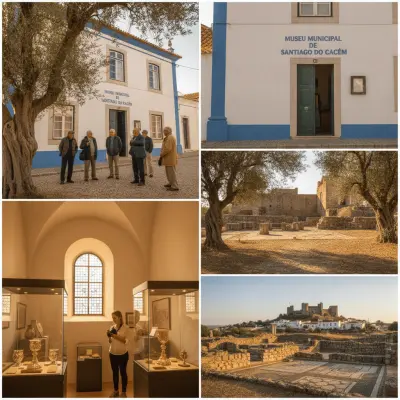
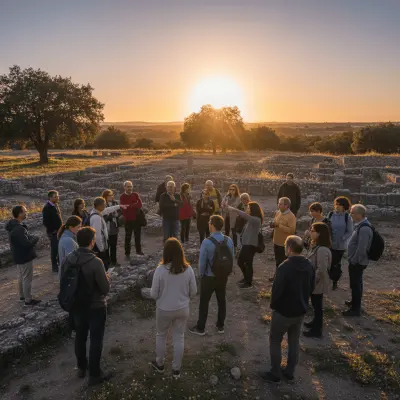
About a kilometre from town, the Roman ruins of Miróbriga spread across two square kilometres. The site includes a forum with temples, remarkably well-preserved thermal baths, and the foundations of a hippodrome, the only one identified in Portuguese territory. Occupation dates back to the Iron Age, but what survives is mostly from the Flavian period, when Miróbriga was granted the status of a Roman municipality. There's an interpretation centre on site. Allow at least an hour, more if archaeology is your thing.
Santo André Lagoon and the coast
The Santo André and Sancha Lagoons Natural Reserve protects five hundred hectares of coastal lagoon, dunes, and bird habitats. In spring, it's one of the best birdwatching spots in the country, coots, red-crested pochards, and the Eurasian reed warbler, the reserve's symbol. The Costa de Santo André beach, wide and uncrowded outside August, separates the lagoon from the sea. For windsurfing or canoeing, the lagoon offers conditions sheltered from the strong winds that mark the Alentejo coast.
Eating and staying
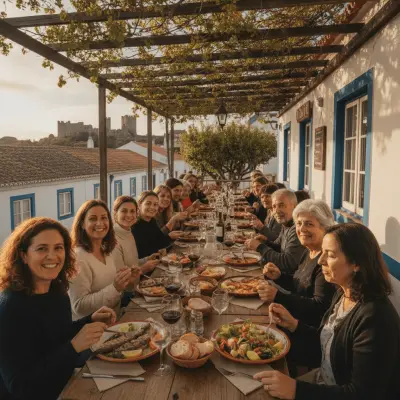
Local cooking revolves around lamb stew, açordas, and eels, a legacy of the lagoon's proximity. Alentejo gazpacho, served cold and bearing no resemblance to the Spanish version, shows up on nearly every table in summer. Two or three days is enough to cover the town, the ruins, and the coast without rushing. The best time is April through June, when the heat hasn't peaked and the lagoon is at its best for birdwatching.