Viewpoints
€
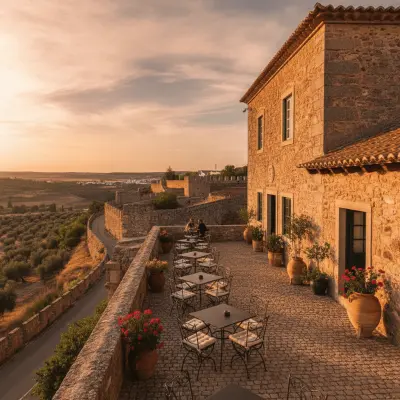
Miradouro da Parada do Castelo
Elvas
Europe's largest fortified city packs seven bastions, two forts, and a dessert, sericaia with candied plums, worth the detour alone. Elvas sits fifteen minutes from Spain and still operates without the crowds, even with its UNESCO status.
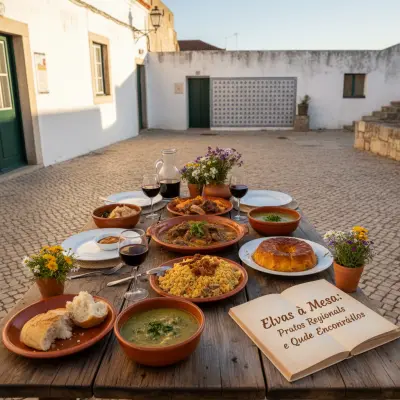
The plums have held EU protected status since 2003, the sericaia arrives cracked like a dry desert, and the açorda demands enough coriander to bury a small wedding. An honest guide to eating in Elvas, dish by dish, with frank warnings about what to skip.
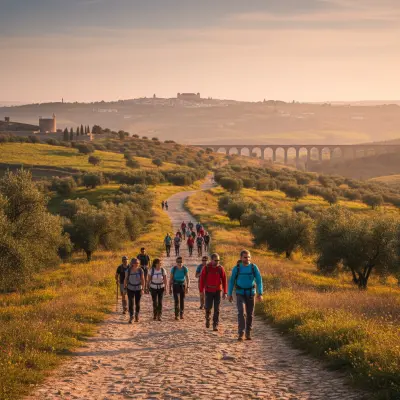
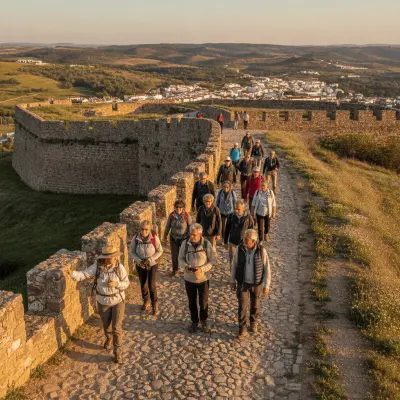
Five hiking routes out of Elvas, ranked from a dawn walk along the bastion walls to an 18 km push to the Caia border. Where to sleep, what to eat, and why November is the best month to harvest olives with the locals.
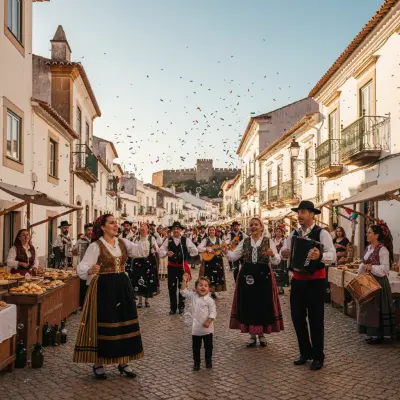
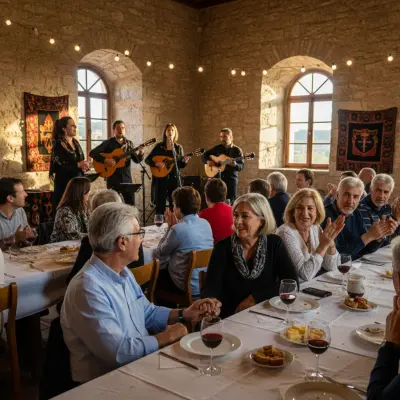
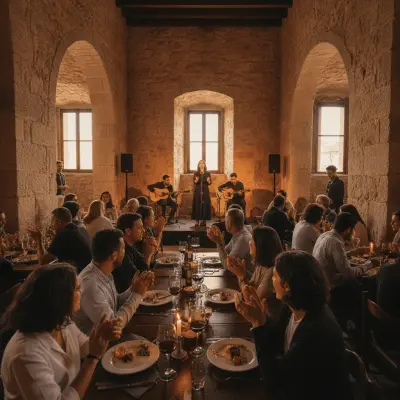
Elvas has festivals all year, but nobody writes the calendar down because locals assume everyone already knows. Here are the months worth coming for, the ones worth avoiding, and the one fado night that justifies the price without hesitation.
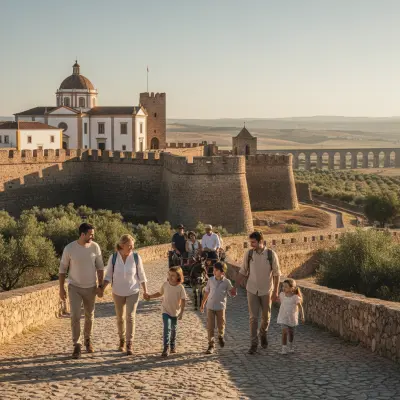
Elvas has no aquariums or water parks, but it offers a UNESCO fortress, an eight-kilometre aqueduct, and streets where kids can actually run free. The honest guide for families, with the logistics, the tricks, and the mistakes to avoid.
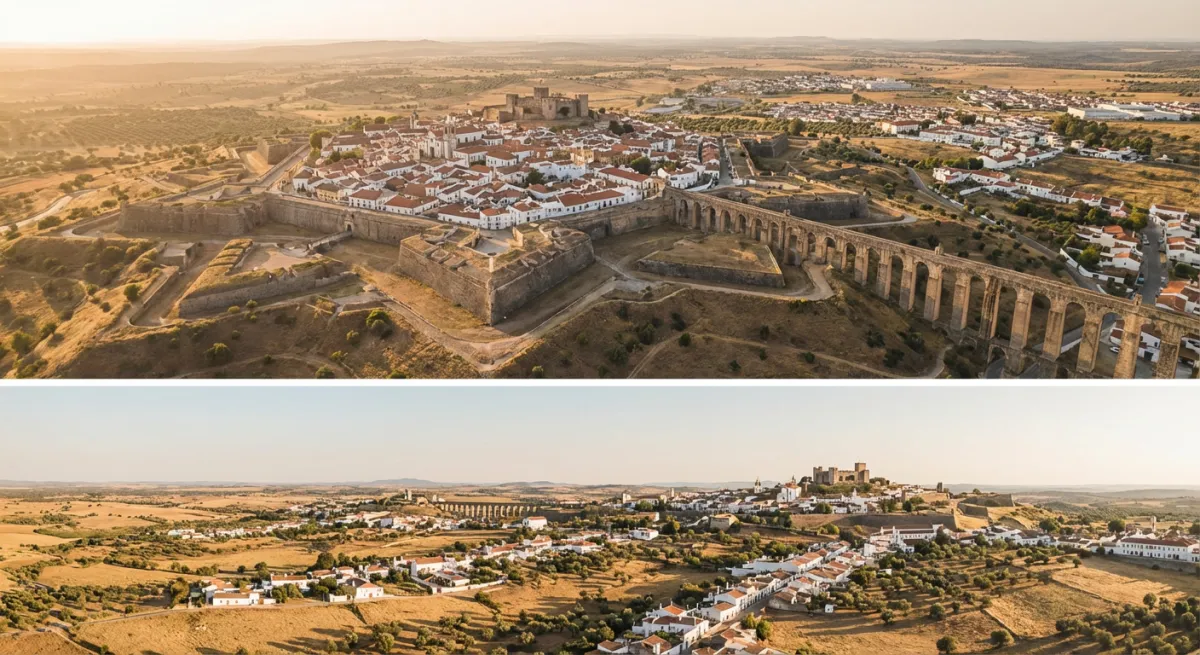
Elvas sits fifteen minutes from the Spanish border and three hours east of Lisbon, which is probably why so many people drive right past it. That's a mistake. This is the largest fortified city in Europe, not by wall length, but by the sheer density of military structures stacked up over centuries: seven bastions, two forts, a castle, star-shaped moats layered one outside the other. UNESCO recognised the whole system in 2012, but Elvas still operates without the crowds.
Military geometry dominates the landscape. The Fort of Nossa Senhora da Graça, perched on a hill to the north, is an 18th-century construction that impresses through scale rather than ornament, the views from up there stretch across the plains to Badajoz. Closer to town, the Fort of Santa Luzia has underground passages worth exploring slowly. The castle, at the highest point of the city, gives yet another perspective: from there you can trace the walls descending along the hillsides and spot the Amoreira Aqueduct stretching seven kilometres into the distance.
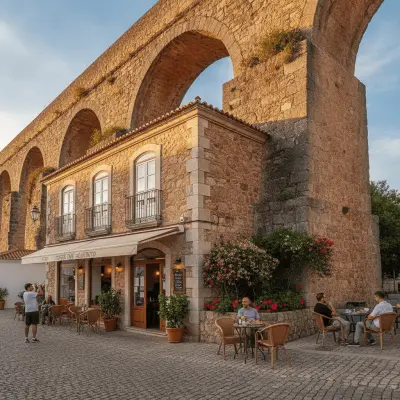
The aqueduct is one of the most striking structures in the Alentejo. With arches reaching 31 metres high, it was built between the 15th and 17th centuries to solve the city's chronic water supply problem. You can walk to it from the western gate of the old town.
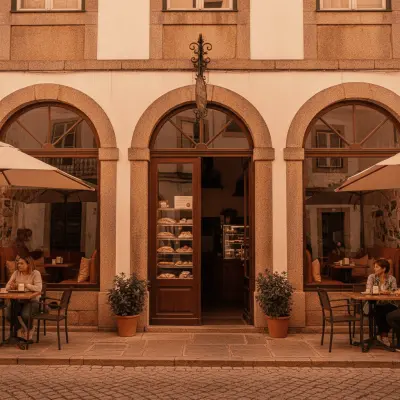
Praça da República is the obvious starting point. It has outdoor cafés, the tourist office, and the Church of the Assumption, the former cathedral, with its 17th-century azulejo tiles. The streets climbing toward the castle are steep and quiet. Elvas doesn't have Évora's buzz and doesn't try to. There are regional product shops, counter-service cafés, and very few selfie sticks.
Two things are non-negotiable. Sericaia, a wobbly, cinnamon-scented egg pudding, is the dessert that defines Elvas. It comes paired with ameixas de Elvas, candied Rainha Cláudia plums prepared in syrup, a tradition that traces back to the city's convents. The combination is simple and exactly right. Before dessert, migas with pork ribs will sort out any hunger built up climbing to the forts.
One full day is the minimum to see both forts, walk the centre, and eat properly. Two days let you settle into the slow pace and explore beyond the walls. Spring, March to May, is the best window: the Alentejo is green, temperatures are manageable, and the plum trees are in bloom. In summer, heat above 40°C makes the uphill walks punishing.