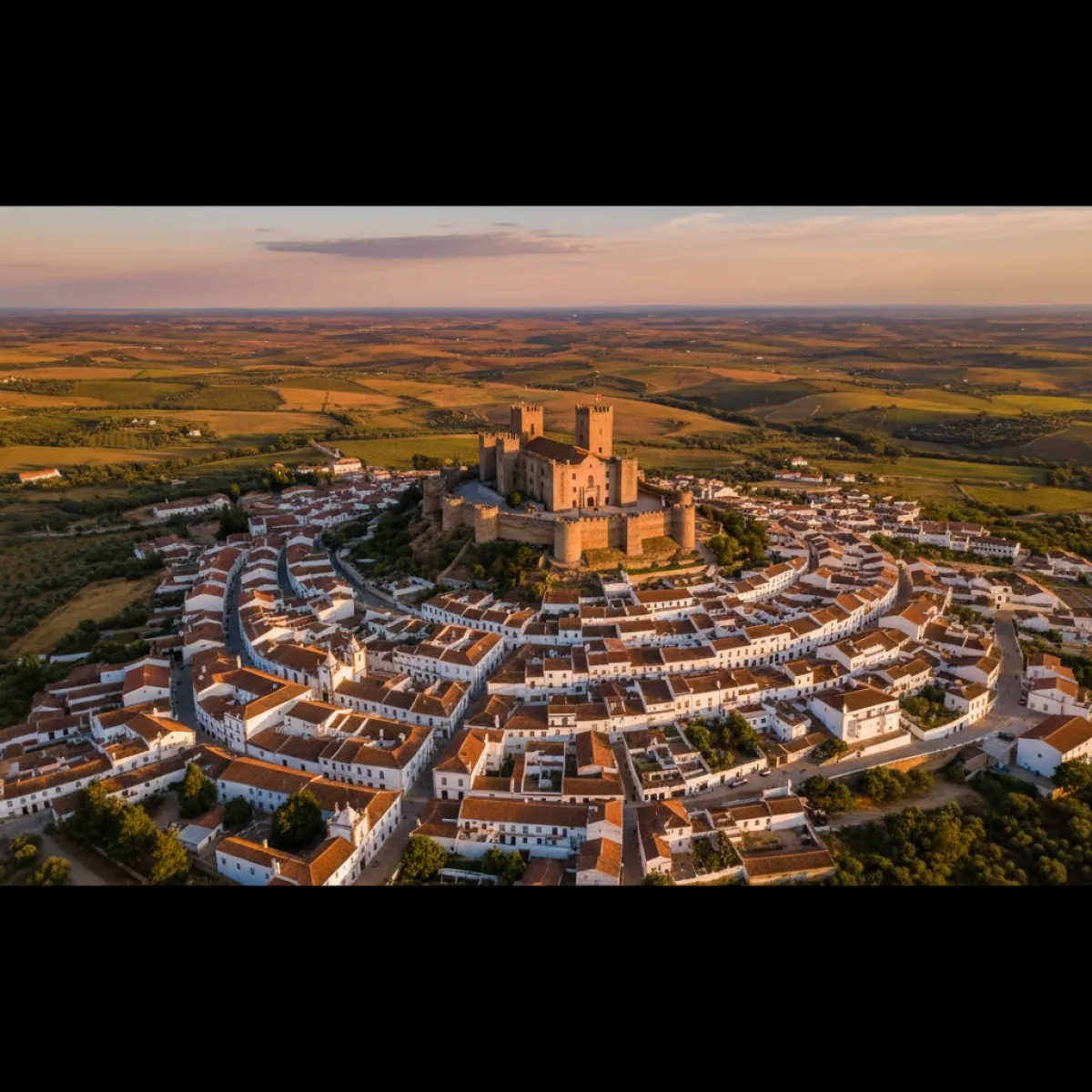
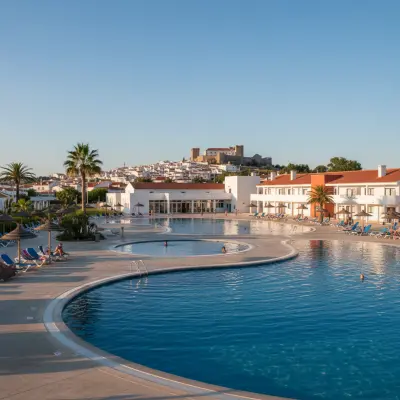
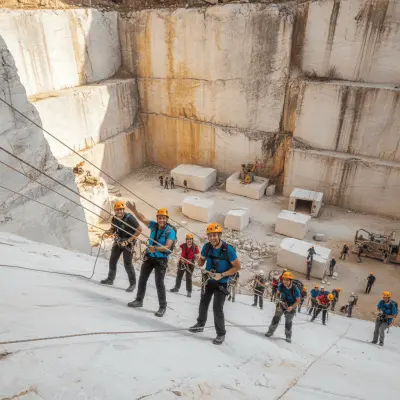
Estremoz is a town made of marble, literally. The white that covers the facades in the old centre isn't whitewash: it's the same stone quarried from the surrounding hills, the same material that makes this area responsible for 90% of Portugal's marble exports. You'll notice it everywhere, from door frames to park benches, up to the Torre das Três Coroas, the 28-metre keep that crowns the upper town and owes its name to the three kings who funded its construction, Afonso IV, Pedro, and Fernando.
Upper town, lower town
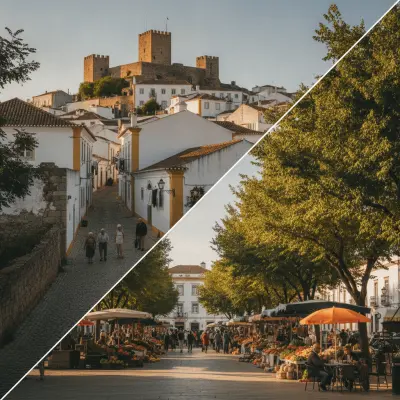
Estremoz splits into two levels. Up top, inside the 13th-century castle walls, narrow cobbled streets lead to the former palace of King Dinis, now a pousada. The tower is free to enter, even for non-guests, worth the climb for the view across the Alentejo plain. Down below, Rossio Marquês de Pombal square is the real centre of gravity, especially on Saturdays.
The Saturday market
The weekly market on the Rossio is arguably the best in the region. Seasonal fruit, aged cheese, cured sausages, antique tools, cork pieces, and, most distinctively, the Bonecos de Estremoz, painted clay figurines recognised by UNESCO as Intangible Cultural Heritage since 2017. Originally made by women moulding devotional saints from local red clay, the figures now depict trades, traditions, and scenes of everyday Alentejo life. For the full story, the Centro Interpretativo do Boneco de Estremoz, near the Rossio, lays it all out.
What to eat
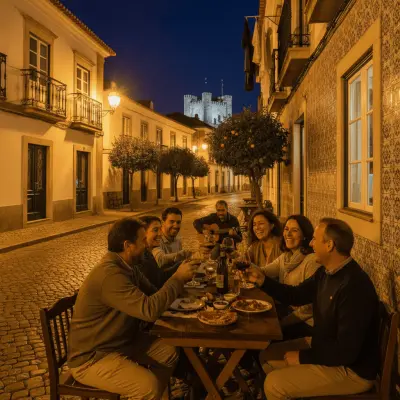
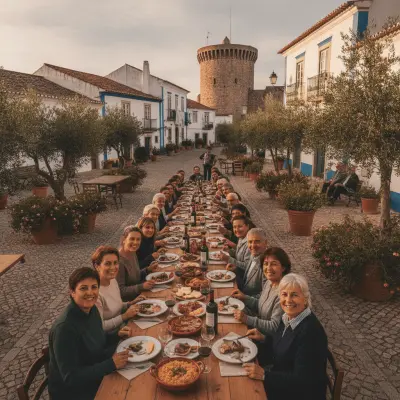
At the table, Estremoz follows the Alentejo playbook without apology: pézinhos de coentrada (pork feet with coriander), smoked sausages from the region, and to finish, sericaia, an egg pudding dusted with cinnamon, served with stewed Reine Claude plums. It's not a light dessert, but it's the right way to end a slow lunch on a dry-heat afternoon.
When to go and how long to stay
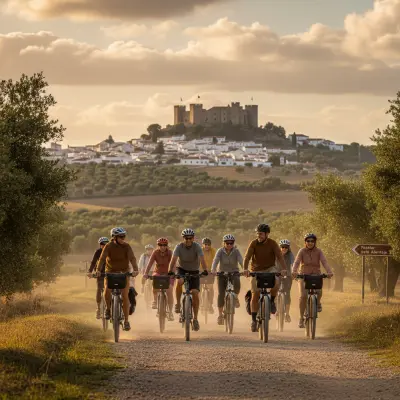
A full day is enough to see Estremoz properly, but if you can, time your visit for a Saturday to catch the market. Spring and early autumn are best, summer in the Alentejo regularly pushes past 40°C and the streets empty after lunch. If you want to explore the marble quarries and surrounding trails, like the Trilho do Ouro Branco, plan for an extra day.