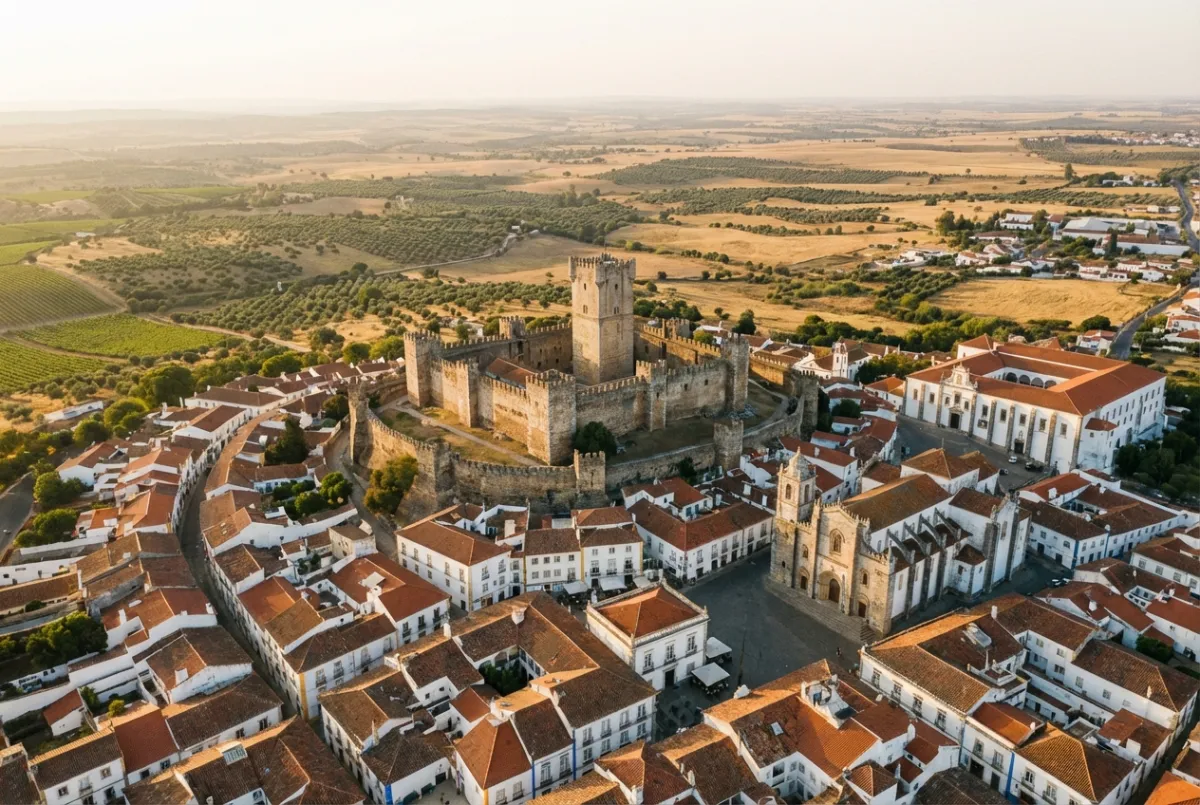
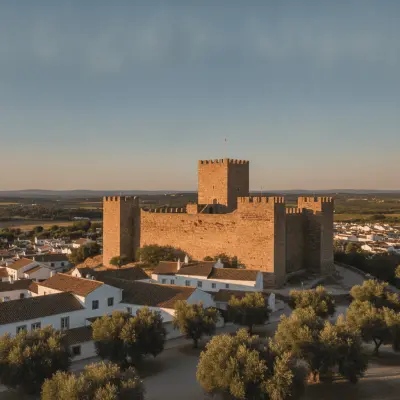
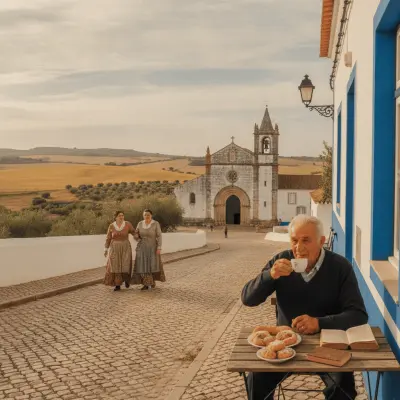
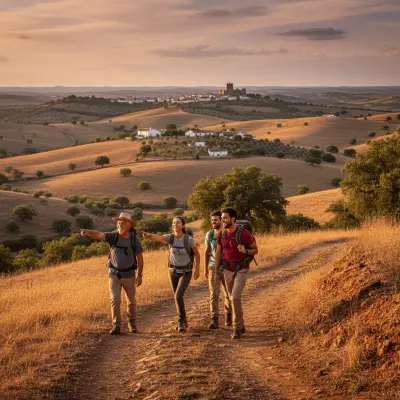
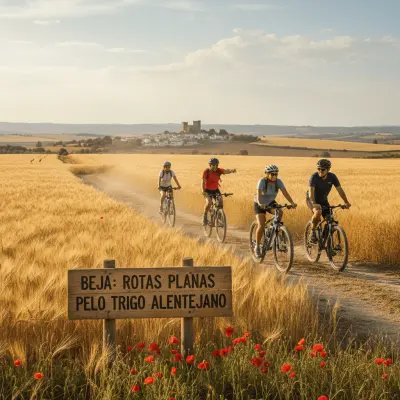
Beja is the capital of the Baixo Alentejo and carries itself accordingly, quiet, upright, self-assured. The castle's keep, at 40 metres, is the tallest in Portugal, and the view from the top explains the city's character: flat plains in every direction, dotted with olive and cork oak trees as far as you can see. This is a place measured by its horizon.
What defines Beja
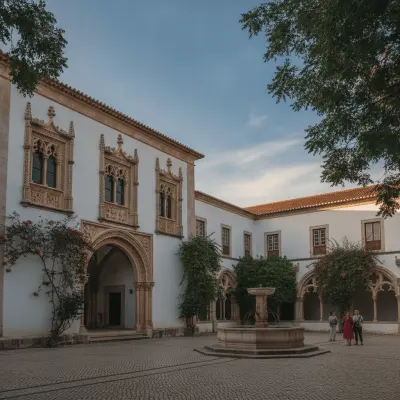
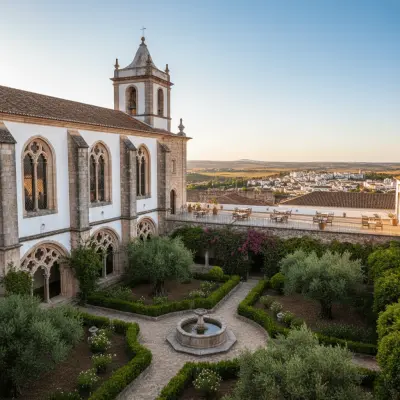
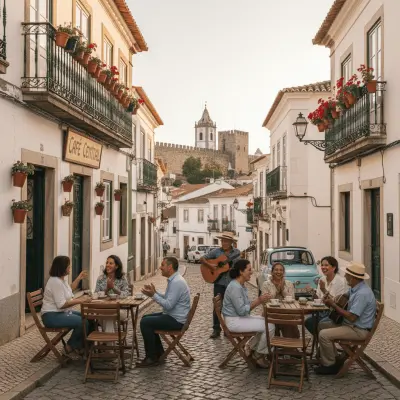
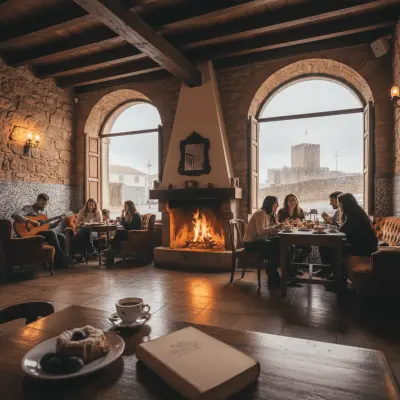
The old centre revolves around Praça da República, with its Manueline arches and the unhurried pace of people sitting over coffee with nowhere particular to be. Rua do Sembrano is the main commercial street, don't expect boutiques, but rather old-school shops and a bakery or two still making their own folares. The Museu Regional Rainha D. Leonor, housed in the former Convento da Conceição, is essential: the grilled windows of the upper choir are linked to the famous Letters of Soror Mariana Alcoforado, whose story, real or fabricated, still sparks debate.
What to eat
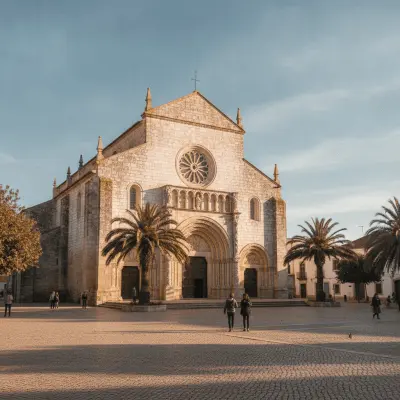
Beja is migas and açorda territory, with black pork at the centre of most menus. Migas with pork à alentejana is the dish you'll find in virtually every restaurant in the centre. In winter, purslane soup with a poached egg is a regional staple. For sweets, look for queijinhos de Beja, small almond, egg yolk and squash jam pastries that are the city's signature. Try them around Rua de Lisboa or near the Cathedral.
When to go and how long to stay
Skip summer. Beja is one of the hottest cities in mainland Portugal, 40°C days are routine in July and August, and the city empties out. Spring is the best window: the fields are green, the heat is manageable, and the Beja Romana festival, which re-enacts the city's past as Roman Pax Julia, usually takes place in May. A day and a half covers the essentials, the castle, the museum, the Cathedral, the Roman Villa of Pisões on the outskirts. Two days if you want to use it as a base for the surrounding region.
What else to know
Beja has a direct train connection to Lisbon (Intercidades, around 2h30) and works well as a launchpad into deep Alentejo. The city doesn't try to impress, it lacks Évora's photogenic pull or Monsaraz's tourist draw. But that's precisely why it works: it's a real, lived-in place with a rhythm that resists the pressure to become scenery. If you want the Alentejo without the filter, Beja is the most honest starting point.