Eat
€€
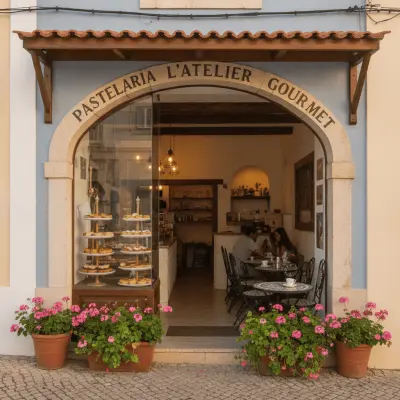
Pastelaria L'atelier Gourmet
Loulé
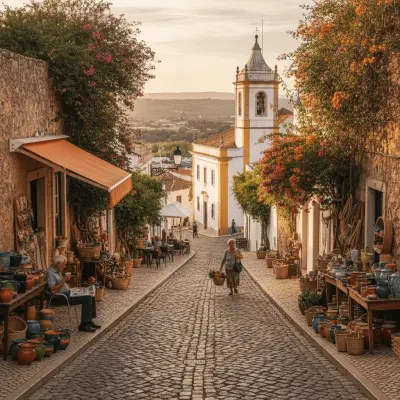
In September, the Algarve trades crowds for golden afternoon light. In Loulé, the sea is still 21°C, restaurant tables no longer have a two-hour wait, and the castle can be visited without bumping into anyone.
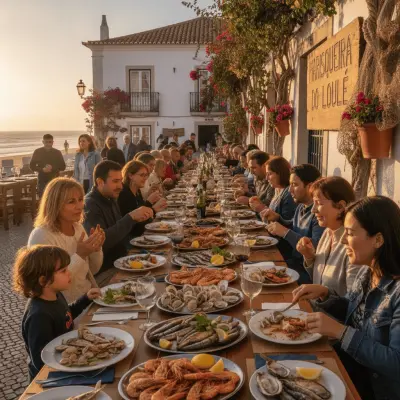
Loulé has no coastline of its own, but it's the smartest base for finding one: a castle, a Moorish market and a French bakery in town, seafood cataplana and arroz de marisco 15 minutes away in Quarteira and Vilamoura. With the sea at 23°C and no queues, September is the month to do both.
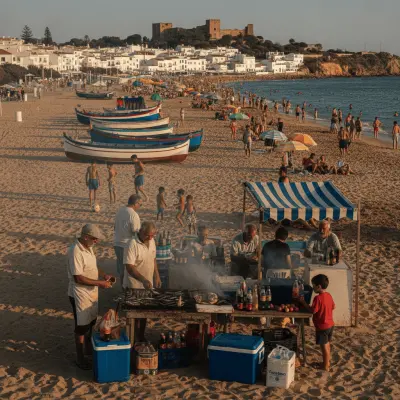
In July, any beach with easy parking is full by 11am. From wild Garrão to Vilamoura's marina, here's the honest guide to Loulé's beaches: when to arrive, where to eat cheaply, and where to escape when the sun turns brutal.
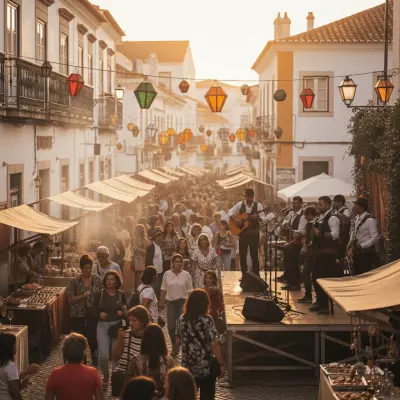
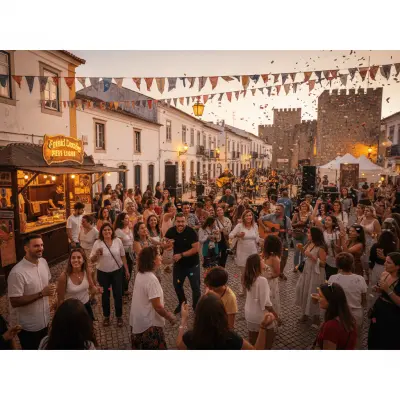
Four nights in June when Loulé's old town closes to cars and opens its squares to over a hundred concerts from the Mediterranean, Africa and the Arab world. Where to sleep, where to eat octopus rice before the first set, and why the small stages are always the best ones.
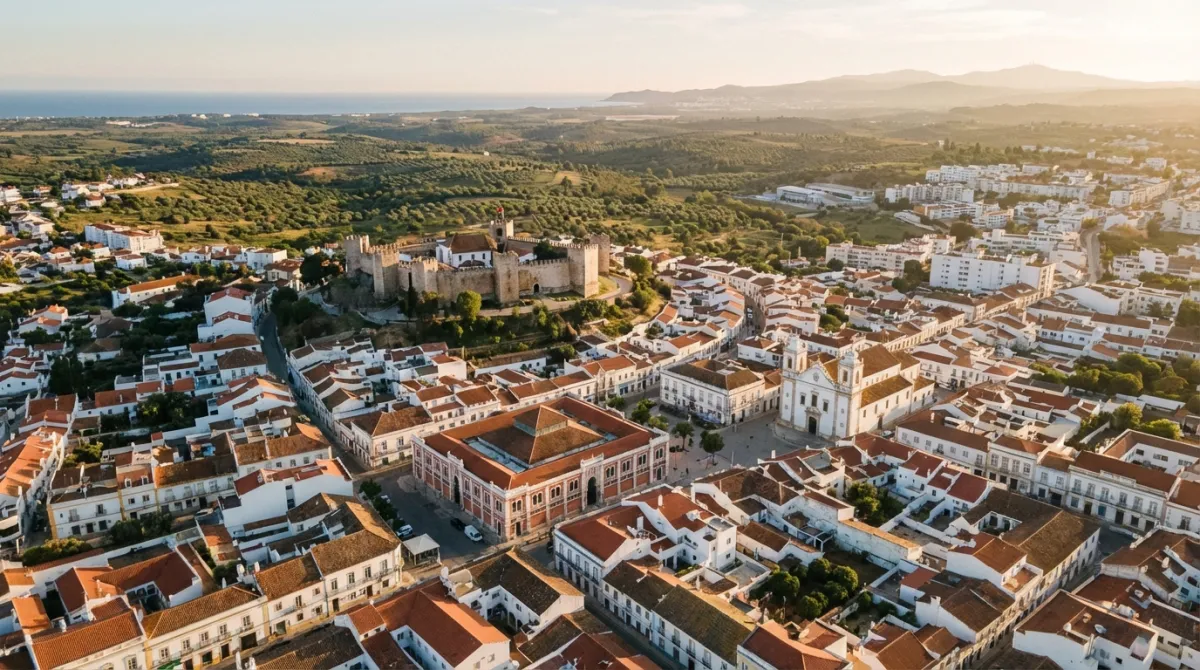
Loulé is the Algarve town that beach tourists rarely bother with, and that's part of what makes it worth your time. Less than 20 minutes from Faro and Vilamoura, it operates as the inland capital of the region, running on its own rhythm rather than the seasonal pulse of the coast.
The Mercado Municipal de Loulé, with its neo-Moorish facade, is where you begin. On Saturday mornings, the market spills out into the surrounding streets with stalls selling fruit, cheese, honey, and herbs. Inside, there's fresh fish, cured meats from the Algarvian hinterland, and flowers. This isn't a market staged for visitors, it's where locals shop. Get there before 10am for the best selection.
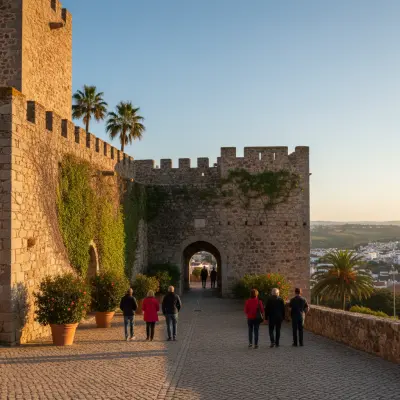
Loulé's castle isn't a decorative ruin. The restored walls and towers house the Museu Municipal, which documents the Islamic presence in the region with archaeological pieces found on-site. From the walls, narrow streets in the old centre drop away in unexpected directions. Rua da Barbacã and the area around the Igreja de São Clemente keep their low houses and old cobblestones, a clear sense of what the Algarve looked like before the coastal concrete arrived.
If you're in Portugal in February, Loulé's Carnival is worth the trip. It's the oldest carnival parade in the country, with floats rolling down Avenida José da Costa Mealha. It's loud, popular, and completely unlike the sun-and-sand image that dominates Algarve guides.
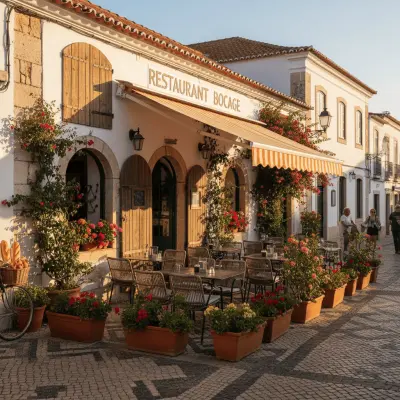
The food here leans inland. Try cataplana, not the seafood version you'll find at beach restaurants, but combinations with pork and clams. Restaurants around the market serve honest, affordable lunches. Almonds and carob show up in local sweets: morgados and Dom Rodrigos are regional specialities worth trying.
Half a day covers the market and castle. But Loulé works well as a base for the Algarve's interior, Fonte Benémola, Rocha da Pena, and the Serra do Caldeirão are all a short drive away. A night or two gives you a different pace from the coast.