
Visit
€
Casa Museu João de Deus
Silves
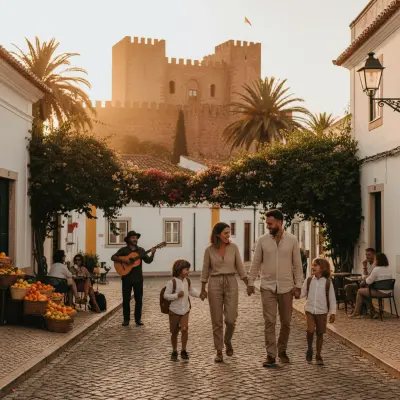
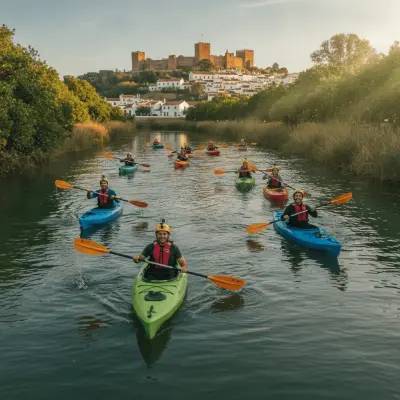
Silves isn't a theme park, but a red sandstone castle with walkable walls impresses kids more than any water slide. An honest guide to what works, what to avoid, and where to eat bifanas without stress.
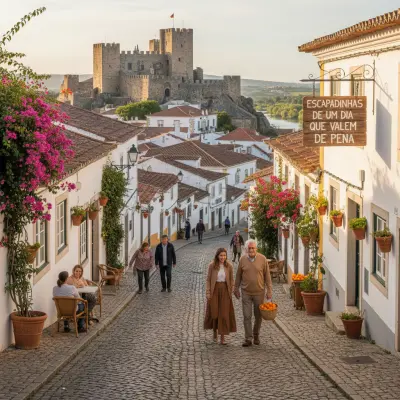
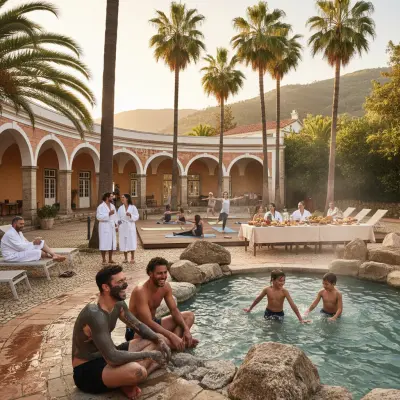
Twenty-five minutes to thermal springs, twenty to vast beaches, thirty-five to Lagos. Silves is the perfect base for exploring the Algarve without being trapped on the coast. Here are the day trips worth the fuel.
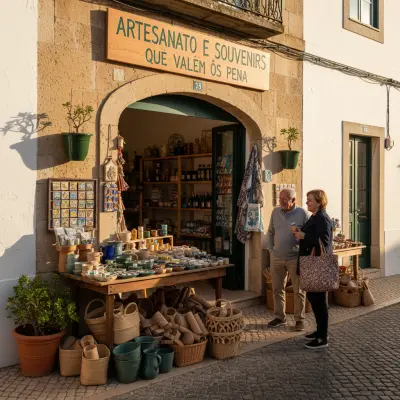
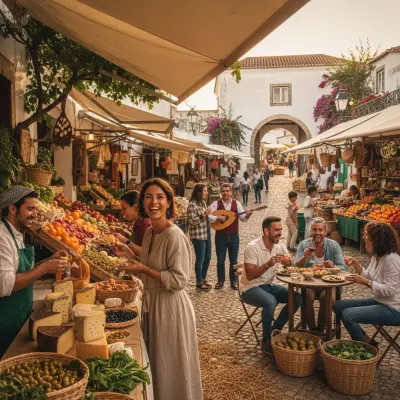
In Silves, the best souvenirs aren't in the tourist shops near the castle. Handmade cork, serra-distilled medronho, rosemary honey, and utilitarian ceramics: here's what's actually worth bringing home from the Algarve's old Moorish capital.
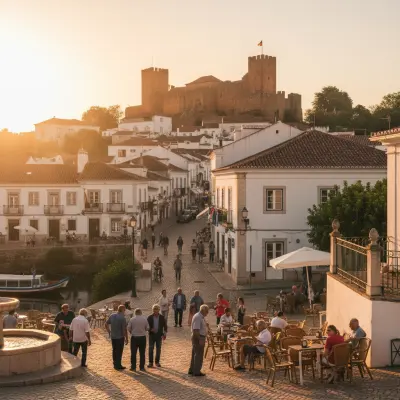
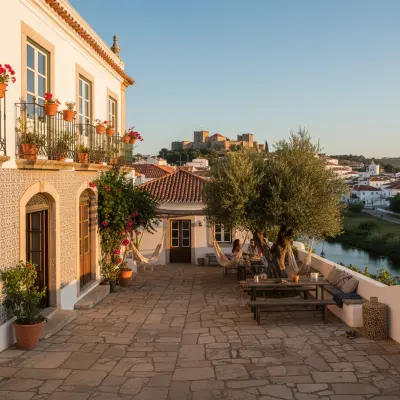
Silves' red sandstone turns extraordinary in late afternoon light, no filter required. From the castle walls to the old bridge, here are the exact spots and times to photograph the Algarve's former capital.
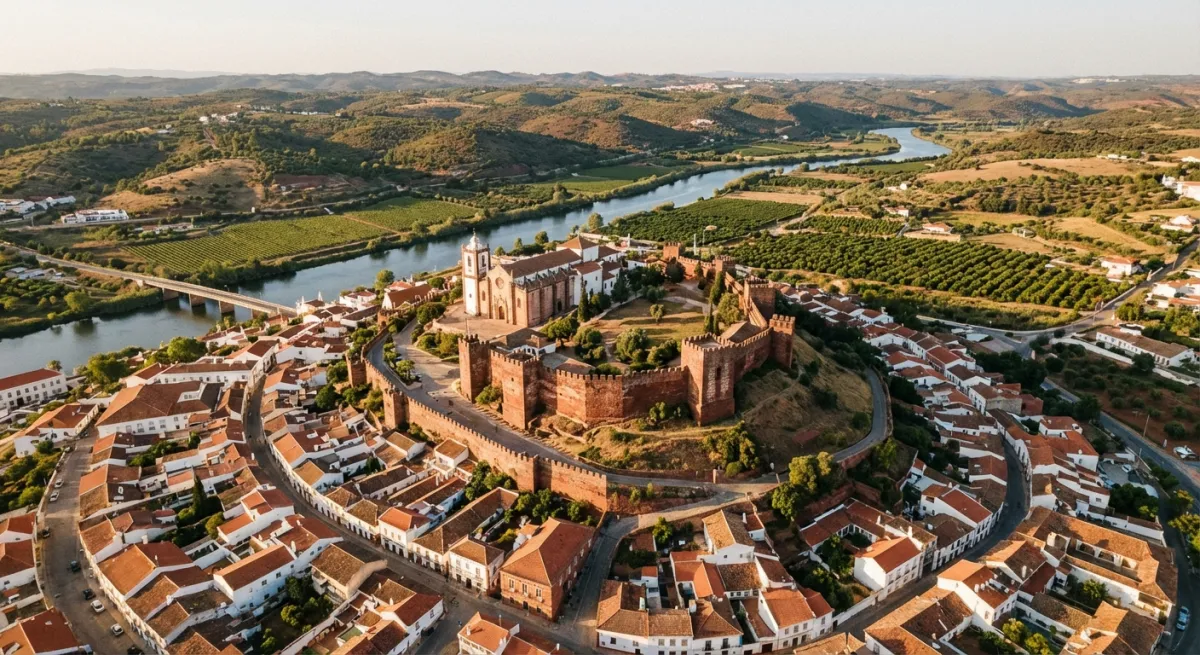
Silves was the capital of the Algarve before the Algarve existed in any modern sense. Under Moorish rule, the city, then called Xelb, was a centre of poetry, trade, and political power that rivalled Lisbon. The scale has changed, but the red sandstone castle still commands the skyline, and the Gothic cathedral remains the most important medieval church in the region.
Most Algarve visitors stay glued to the coast. Silves sits just 8 kilometres inland, but the atmosphere is entirely different: less resort, more rural Algarve, with orange groves spilling down hillsides toward the Arade river. This is the kind of place where lunch costs under €12, the municipal market still operates as an actual market, and the streets go quiet by mid-afternoon.
The Castle of Silves is worth the visit, it's one of the best-preserved fortifications in Portugal, with walkable ramparts and an Almohad-era cistern inside. The entrance fee is modest, and the views over the hills and river justify the climb. Just below, the Sé Cathedral blends Gothic architecture with traces of a former mosque, and it's worth stepping inside even if churches aren't usually your thing.
Silves doesn't have the dining range of Faro or Loulé, but it has character. Bifanas, thin pork sandwiches in spiced sauce, are a local institution, and Bifanas do Marinho is the proof. For a longer meal, look for riverside restaurants serving river fish and cataplana. Silves oranges carry their own regional designation and turn up everywhere, from fresh juice to regional sweets.
The best time to visit is March through June, or September and October, warm enough to walk comfortably without the full weight of Algarve summer. In August, the Medieval Fair of Silves takes over the historic centre with costumed performers, market stalls, and shows. It's good fun, but it's also the busiest week of the year, so plan accordingly.
Half a day covers the castle, the cathedral, and lunch. But if you want to see the Cruz de Portugal, a Manueline-era stone cross classified as a national monument, and walk down to the river, a full day is more honest. Silves works well as a stop between the coast and the hills of Monchique, especially if you're driving through the Algarve's interior.