Go Out
€€
Night Club Bagdad
Olhão
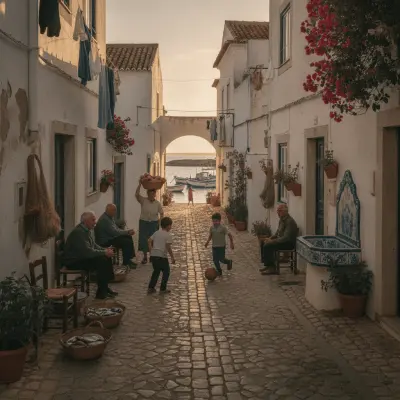
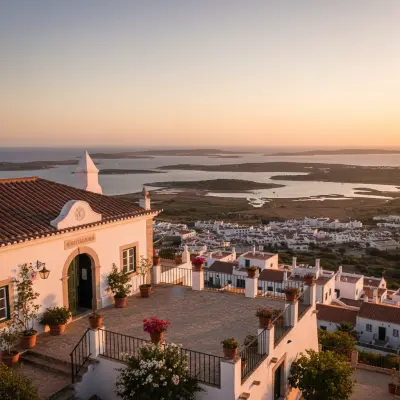
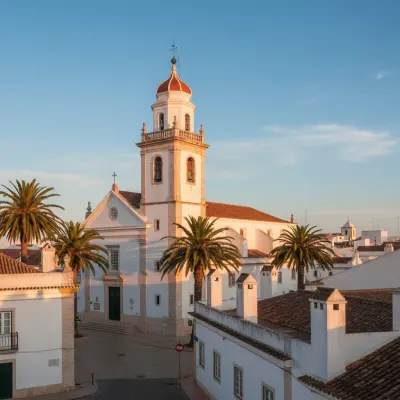
Most people do Olhão in ninety minutes: market, seafood, ferry. But the interesting town starts when you turn your back on the water and climb the church tower, the white terraces of the Barreta, and the viewpoint no weekend tourist finds.
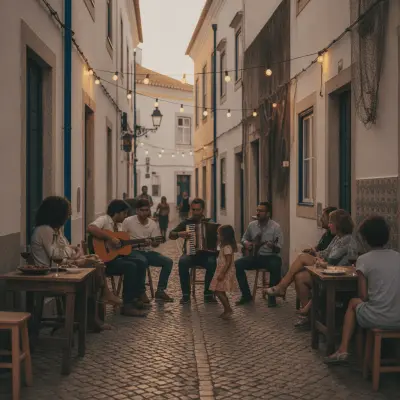
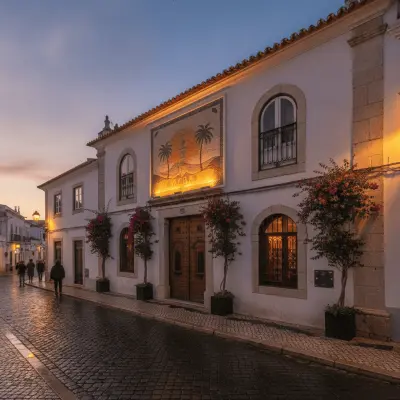
Forget the laser-lit nightclubs: Olhão's night happens on the waterfront terraces and in the alleys of the Cubist quarter, with music that turns up when you least expect it. An honest guide on when to go, what to eat first, and how to avoid overpaying for your beer.
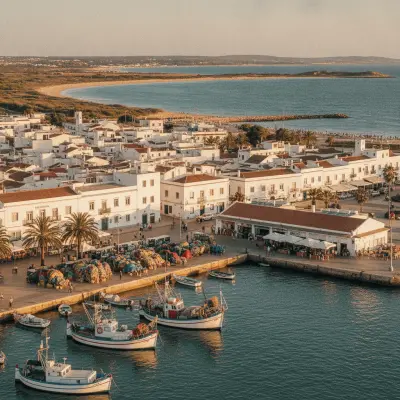
The train station is five minutes from the market and the island ferries leave from the quay next door. Olhão is the best base in the eastern Algarve: here are the day trips worth taking, from Faro to the Ria Formosa islands, with times, prices and honest opinions.
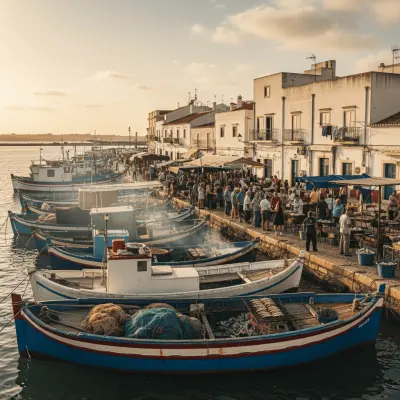
In Olhão sardines are not poetry, they are mathematics: five to eight euros a kilo at the market, three minutes a side on the charcoal, and absolutely no gas grills. A guide without romance to the Algarve's best grilled sardines, far from marinas and six-language menus.
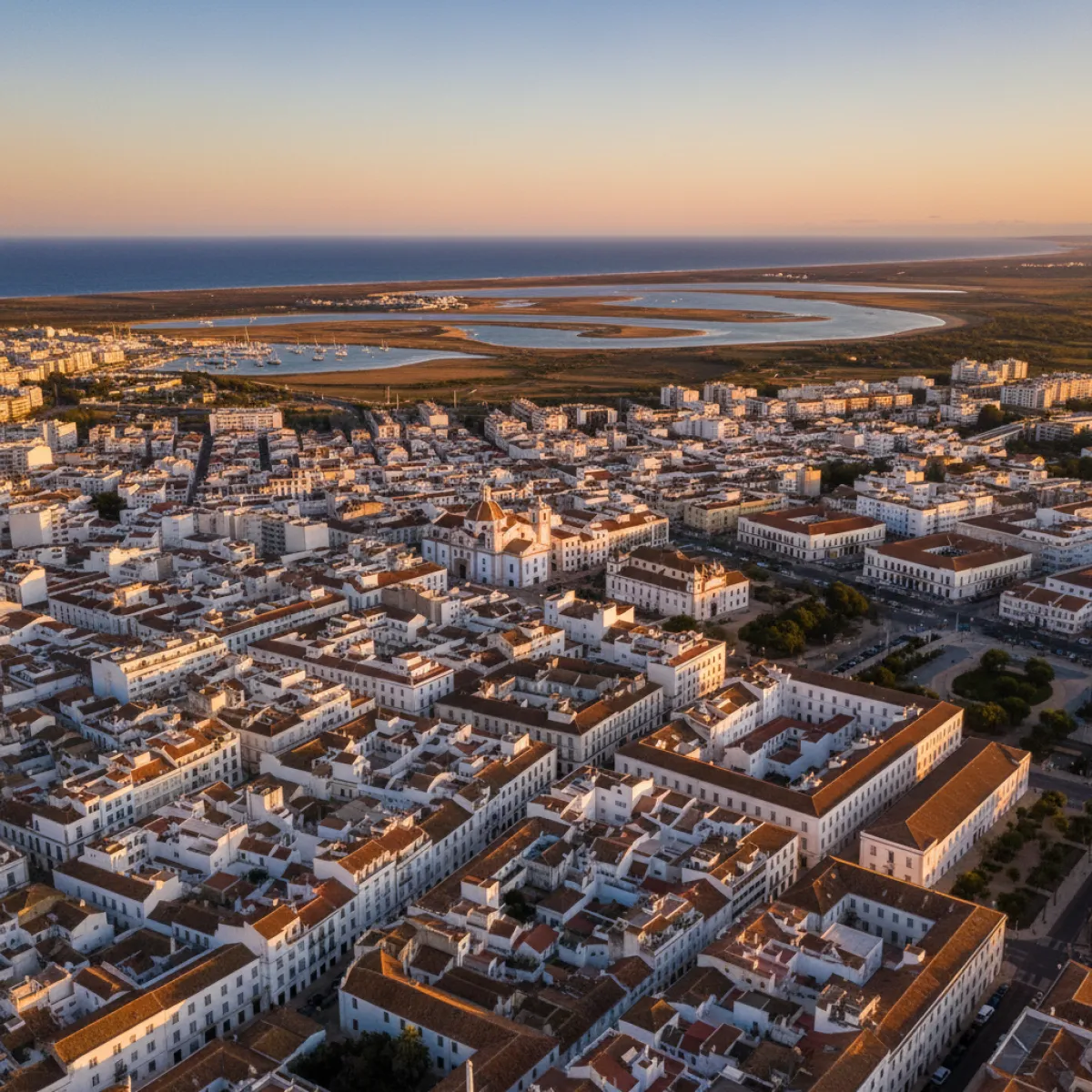
Olhão doesn't try to be pretty in the expected way. There are no picture-perfect tiled facades or manicured plazas. What you get instead is a working fishing town built in stacked white cubes with flat rooftops facing the Ria Formosa, an architecture that owes more to North Africa than to the rest of the Algarve. That's precisely what makes it unlike anything else on this coast.
Any visit to Olhão begins at the two municipal markets on the waterfront. The fish market, housed in a red-brick building by the river, is where the town still operates as it always has: stalls of cockles, clams, and fresh octopus, with vendors doing mental arithmetic faster than any register. Next door, the fruit and vegetable market completes the loop. Saturday morning is the best time, local producers set up and the nearby cafés fill early.
Walk uphill behind the Igreja Matriz and lose yourself in the Barreta quarter. The houses are low, whitewashed, with external staircases and terraces where fish still dries in the sun. This isn't a staged scene, it's simply how Olhão was built. Moorish influence and historic trade links with the Maghreb explain this urban profile, which you won't find repeated anywhere else in Portugal.
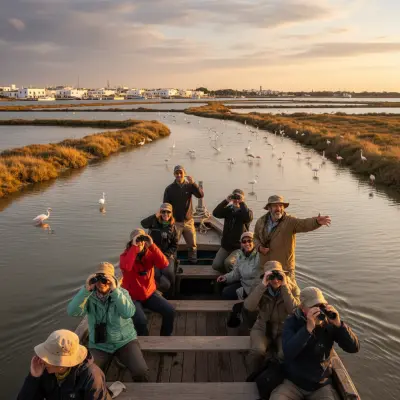
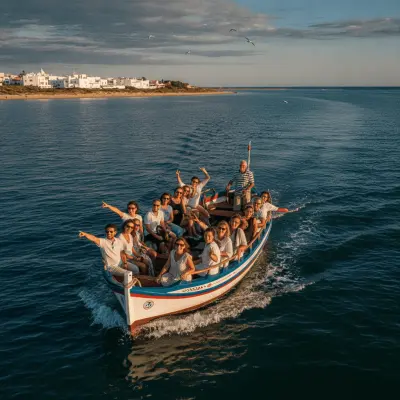
From Olhão's pier, boats leave for the islands of Armona, Culatra, and Farol, long sand beaches with clear water and zero development in sight. In summer, boats run frequently and the crossing takes between 15 and 30 minutes. Off-season, the Ria Formosa is still worth the trip: it's one of Europe's most important lagoon systems, with flamingos in winter and light that shifts by the hour.
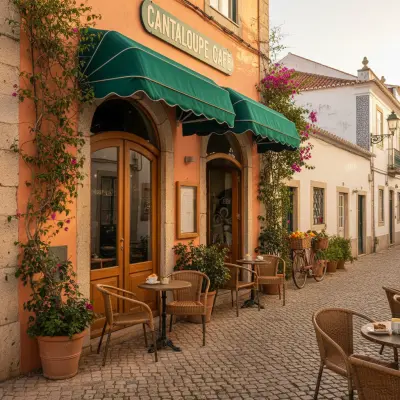
Olhão is seafood and cataplana territory, but the dish worth travelling for is arroz de lingueirão, razor clam rice. Restaurants near the market serve grilled fish at prices that Lagos or Albufeira forgot long ago. Cantaloupe Cafe, already listed on boa.pt, represents the new generation of spaces coexisting with old-school tascas.
Two to three days is enough to explore the town and hop to the islands. May, June, and September hit the sweet spot, warm enough for the beach, without the August crush. In August, the Festival do Marisco takes over the waterfront and turns Olhão into one of the Algarve's biggest food events.