Olhão as a Base: The Best Day Trips Nearby
The train station is five minutes from the market and the island ferries leave from the quay next door. Olhão is the best base in the eastern Algarve: here are the day trips worth taking, from Faro to the Ria Formosa islands, with times, prices and honest opinions.
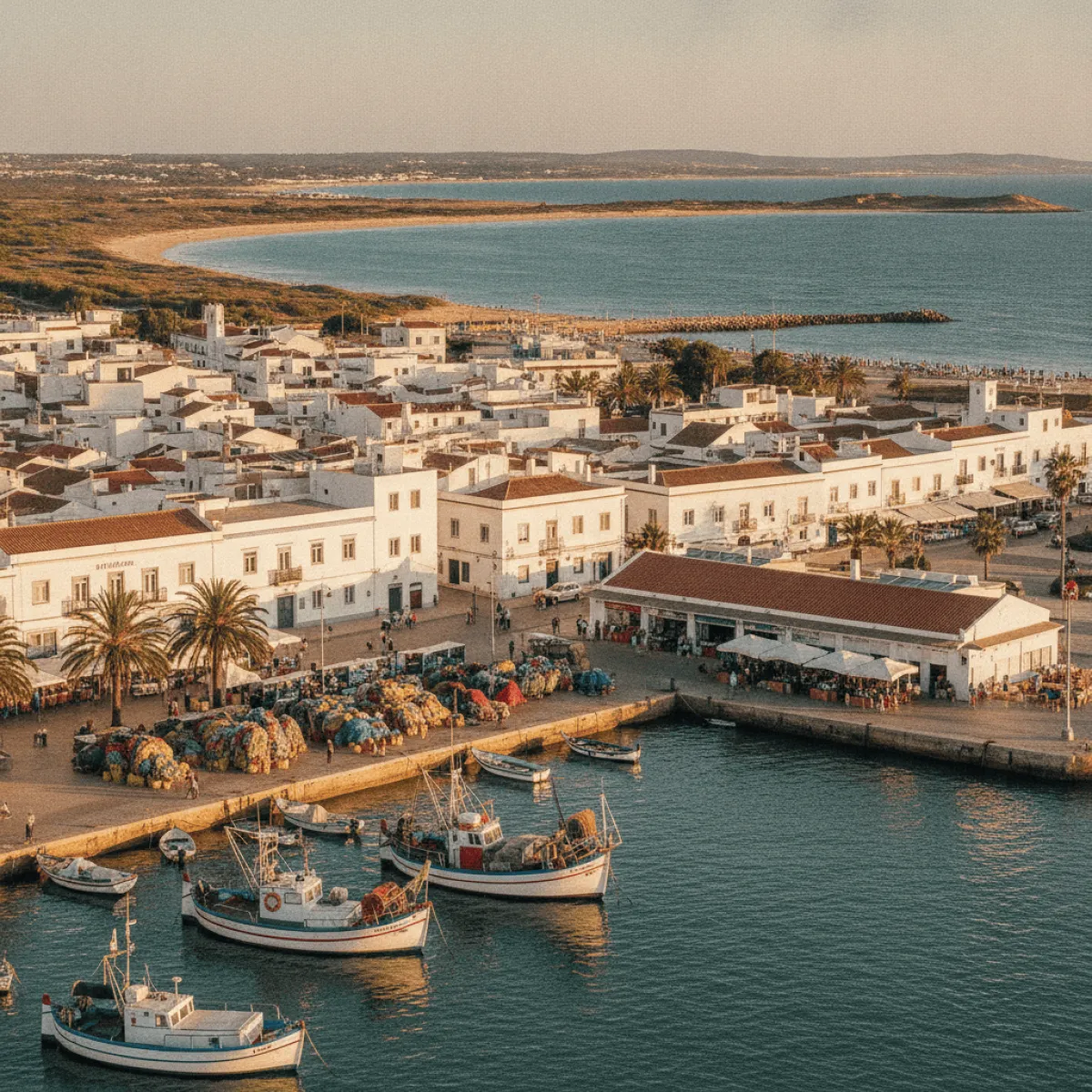
There is one advantage to Olhão that most tourists miss on arrival: this is not a town that keeps you trapped. The train station is five minutes from the market, the ferries to the islands leave from the quay right next door, and the A22 motorway delivers you to half the Algarve before lunch. Olhão works early, smells of grilled fish by midday, and frankly makes one of the best bases for exploring the eastern Algarve without paying the inflated prices of Lagos or Albufeira.
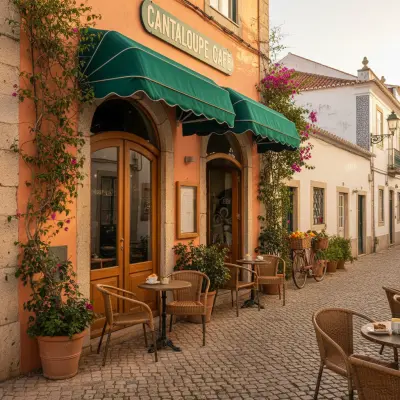
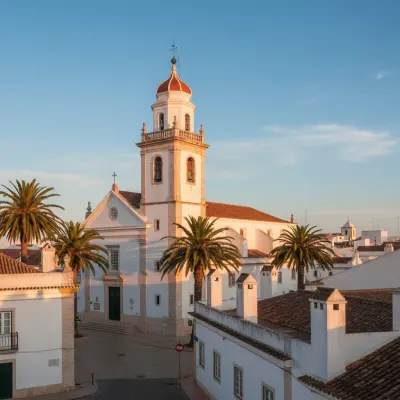
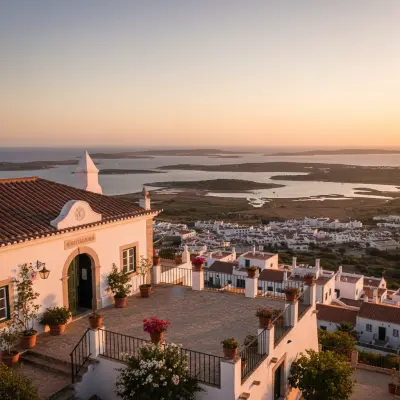
Before you set off, though, do one thing: eat a proper breakfast. I almost always start at the Cantaloupe Cafe, because leaving the house at seven to catch a train without a decent coffee is a mistake you pay for all day. And if you have half an hour, climb the tower of the Igreja Matriz de Nossa Senhora do Rosário to see, from above, exactly where you are going. Olhão's cubist rooftops, the Ria Formosa glittering in the distance, the islands like brushstrokes of sand on the horizon. It is the best map you will get all day.
The Ria Formosa islands: the shortest trip and the most underrated
Let's start with the obvious, which everyone ignores precisely because it seems too obvious. The cheapest and most beautiful escape from Olhão requires no car at all: the ferries to Armona and Culatra, leaving from the quay beside the markets. The crossing to Armona takes about fifteen minutes; to Culatra (and Farol) a little longer. Return tickets cost a few euros, but check the timetables locally, because they change with the season and there are far fewer departures in winter.
Armona is the island for beach without the crowds: you disembark, walk across the island on a sandy path between low houses, and on the far side the open Atlantic is waiting. Culatra is different, a genuine fishing community where people live year-round, boats moored along the shore and restaurants where the clams came from the lagoon you can see through the window. Bring cash, bring water, and don't count on shade. In July and August take the first ferry of the morning or go in late afternoon, because the Ria Formosa sun shows no mercy.
If you want to understand the lagoon properly, rather than just using it as a beach, it is worth booking the bird watching trip on the Ria Formosa with a local guide. Flamingos, herons, spoonbills, and at certain times of year the purple swamphen, that electric-blue bird that is practically the symbol of the natural park. It is the kind of thing that turns a seemingly empty saltmarsh into one of the richest wetlands in Europe.
Faro: fifteen minutes by train, a world apart
Faro is so close that many people don't even count it as a day trip, which is exactly why I recommend it. The regional train links Olhão to Faro in about fifteen minutes and costs a little over two euros. There is no excuse.
Most visitors see Faro from the airport and move on, which is a shame, because the Old Town inside the walls is one of the best-preserved historic quarters in the Algarve. Enter through the Arco da Vila, walk up to the cathedral, and get lost in the cobbled streets where storks nest on top of the towers. To go beyond the tourist circuit and grasp what makes Faro a living city rather than a postcard, read our guide to the local culture of Faro and the traditions of the authentic Algarve. It will save you hours of aimless wandering.
A practical tip: eat lunch away from the marina, where prices climb to catch the people stepping off the boats. Walk ten minutes inland, to the streets around the municipal market, and pay half for fish that is just as fresh. Save the afternoon for a boat trip through the Ria Formosa from Faro, if you haven't already done the Olhão islands. It is the same lagoon, seen from another angle.
Tavira: the elegant neighbour to the east
Twenty minutes by train in the opposite direction brings you to Tavira, which is what Olhão would be if it had decided to dress better. Where Olhão is work and fish, Tavira is baroque churches, a Roman bridge (medieval, really, but nobody wants to ruin the legend) and a castle with a garden on top. The two towns complete each other: do Olhão in the morning, Tavira in the afternoon, and you will understand both sides of the eastern Algarve.
In Tavira, climb the castle early before the heat, cross the Praça da República and, if it's summer, catch the ferry to Ilha de Tavira, another tongue of Ria Formosa sand with enormous beaches. The Olhão to Tavira train ticket runs around two to three euros and the trains are frequent. It is one of the easiest day trips going.
Silves: the Moorish interior, ideal with kids
To break the rhythm of beach and lagoon, turn inland. Silves, the old capital of the Moorish Algarve, lies to the west, and the red sandstone castle that crowns it is the most impressive in the region. By car it is about fifty minutes via the A22; by public transport it is more complicated and slow, so if you don't drive, consider an organised tour from Faro.
Silves is surprisingly good for families, with the climb to the castle, the Gothic cathedral beside it and the river Arade below to cool your feet. If you're travelling with children, our honest family guide to Silves tells you exactly what works and what is a waste of time, without the forced optimism of the brochures. Go outside the hottest hours: the castle has little shade and the sandstone reflects the sun like an oven.
Lagos: the long trip that pays off (with warnings)
Lagos sits at the other end of the Algarve, an hour and a half or more by car, or about two hours by train with changes. It is the most ambitious escape from Olhão and I only recommend it if you leave early and make a full day of it. But the golden cliffs of Ponta da Piedade, the sea caves and the hidden beaches justify the journey for anyone who wants to see the most scenic Algarve.
The classic mistake is to stay in the marina and the tourist terraces. Lagos is far more than that, and each district has its own character. Before you go, take a look at our Lagos neighborhood guide to learn where to eat well and which streets are worth your time. Honestly: if you only have one day and you like quiet, stay in the east (Faro, Tavira, the islands). Lagos is for those willing to deal with crowds in exchange for spectacular scenery.
The day you spend in Olhão (because you don't always have to leave)
There are days when the best escape is not to escape. If a morning turns too hot, or the train intimidates you, stay put. Climb the Miradouro do Cerro de São Miguel, the highest point of the Olhão hills, where on a clear day you see the whole Ria Formosa stretching out to the sea. It is a small journey within the municipality that many visitors never make.
And if you want to take Olhão home with you, sign up for the folar workshop, the Algarve's sweetest baking tradition. Learning to make this traditional cake with your own hands is the opposite of a day of trains and timetables: it is staying in one place, understanding why this town tastes of fish and sugar at the same time.
How to plan it all: the practical summary
- Islands (Armona, Culatra, Farol): ferry from the Olhão quay, about 15 minutes to Armona. Cheap tickets, but check timetables locally, especially in winter.
- Faro: regional train, about 15 minutes, just over 2 euros. The easiest day trip and the most underrated.
- Tavira: train, about 20 minutes, 2 to 3 euros. Combine with Olhão on the same day.
- Silves: best by car (about 50 minutes via the A22). Public transport is awkward; consider a tour.
- Lagos: an hour and a half by car or about two hours by train with changes. Leave early.
The secret of Olhão is exactly this: it is a town that doesn't ask you to stay, but rewards you for coming back at the end of every day. Take your trip, see flamingos or Moorish castles, and return in time for grilled fish at the market. There is no better base in the eastern Algarve.