Tavira is the Algarve town that locals recommend when you ask them where to go. While Albufeira and Lagos compete for the same crowds, Tavira keeps its own pace, slower, more grounded, and frankly more interesting if you want to understand what the Algarve looks like when it's not trying to impress anyone.
A town built in layers
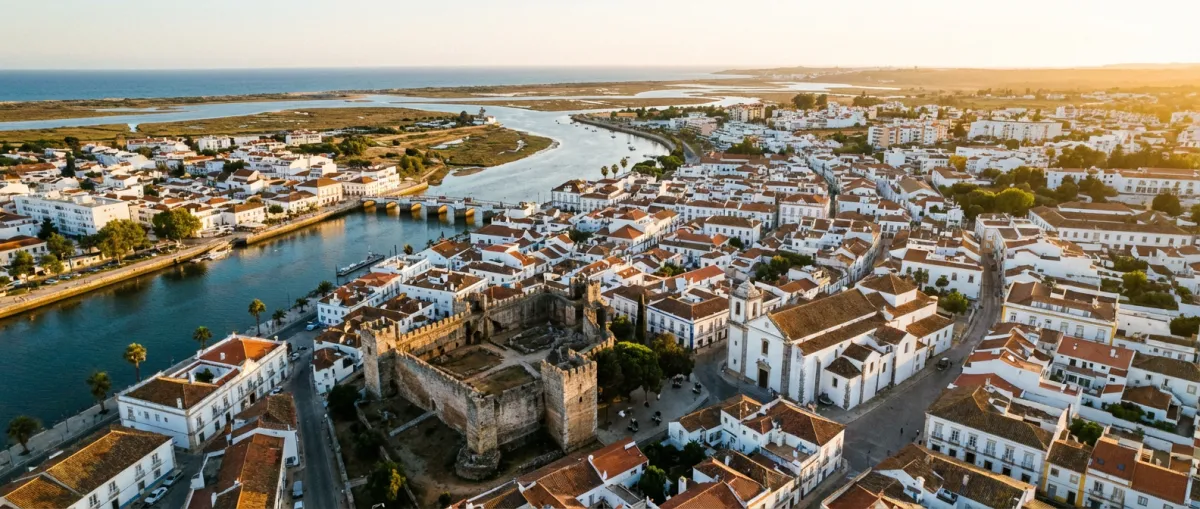
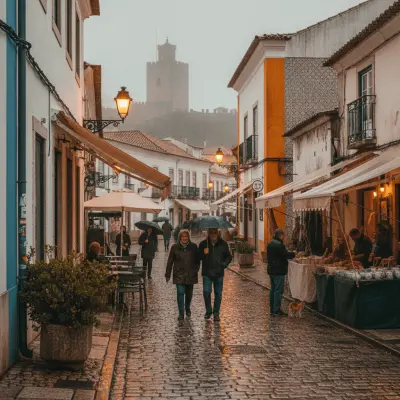
The River Gilão splits Tavira in two and connects it at the same time. The Roman bridge, rebuilt several times over the centuries, but always there, is the landmark everyone navigates by. On one side, the municipal market and the riverside garden. On the other, the streets climbing toward Tavira Castle and the Church of Santa Maria do Castelo, where seven knights who took the city back from the Moors in 1242 are said to be buried.
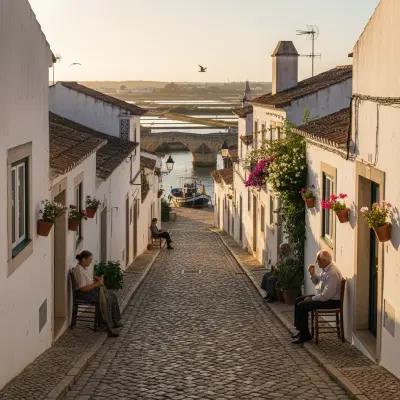
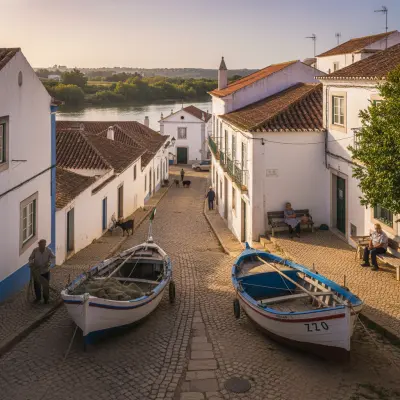
What sets Tavira apart visually are the four-sided pyramid rooftops, telhados de tesoura, which you won't see in this concentration anywhere else in the Algarve. Look at them from the castle walls and you realise this town has an architectural identity that wasn't manufactured for visitors.
What to do with two or three days
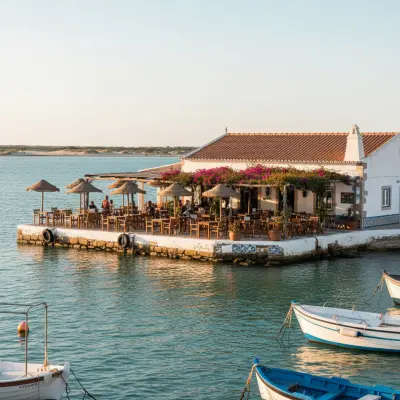
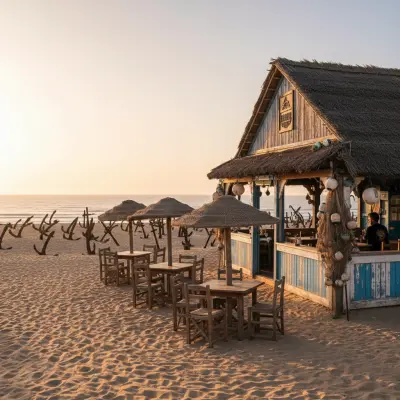
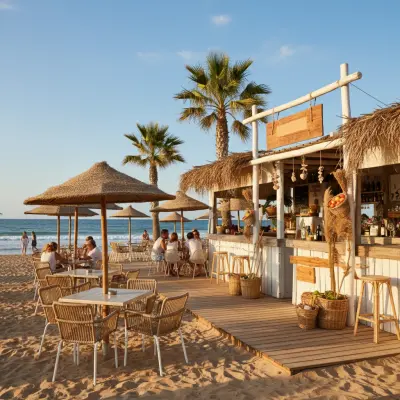
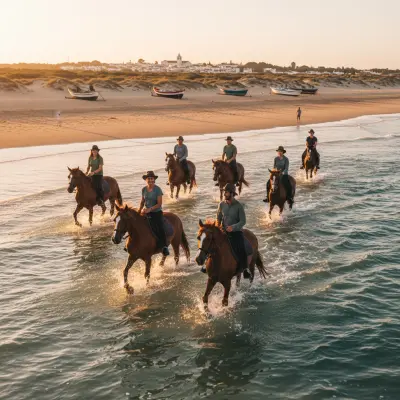
Tavira deserves at least two nights. One day for the town itself, the castle, the Camera Obscura at Torre de Tavira, a walk along the river, the churches that appear around every corner (there are over thirty). Another day for Ilha de Tavira, reached by boat from the quay, with one of the best beaches in southern Portugal: wide, fine sand, and no buildings in sight.
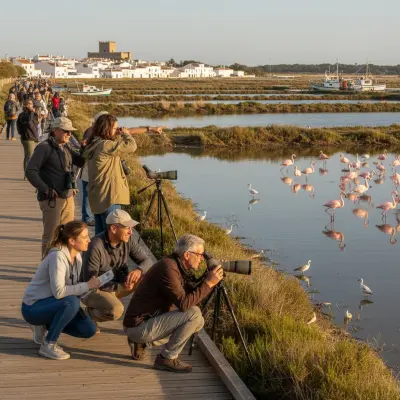
If you have a car, the Ria Formosa Natural Park is right there. The trails between salt pans and tidal channels are flat and easy, good for mornings before the heat builds.
Eating in Tavira
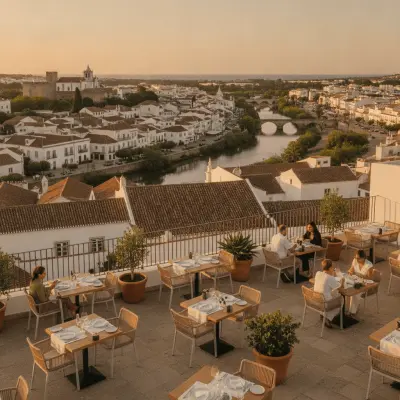
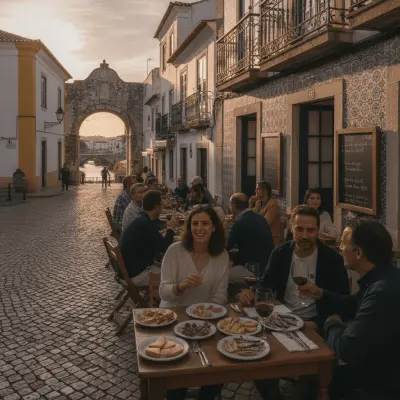
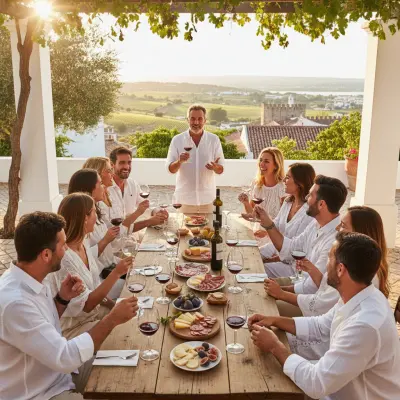
Tuna is king here. Tavira was a tuna fishing centre for centuries and the tradition survives on every menu. Estejão de atum, muxama (dried and cured tuna), and whichever variation each kitchen makes its own. Beyond tuna, look for conquilhas à Bulhão Pato and grilled octopus at any riverside tasca. The Mercado da Ribeira, converted into a food hall, is a practical choice for a no-fuss lunch.
When to go
May, June, and September are the right months, warm enough for the beach without the July and August crowds. In February, if you time it right, the almond blossoms across the barrocal hills around the city are worth a detour. Summer brings more visitors than it used to, but Tavira never quite loses its composure.