Bird Watching in Tavira: Exploring Ria Formosa by Boat
A two-hour boat tour through the salt pans and channels of the Ria Formosa, departing from Cabanas de Tavira, to spot flamingos, spoonbills, and over 220 bird species. Passeios Ria Formosa provides binoculars and a specialist guide for €25 per person.
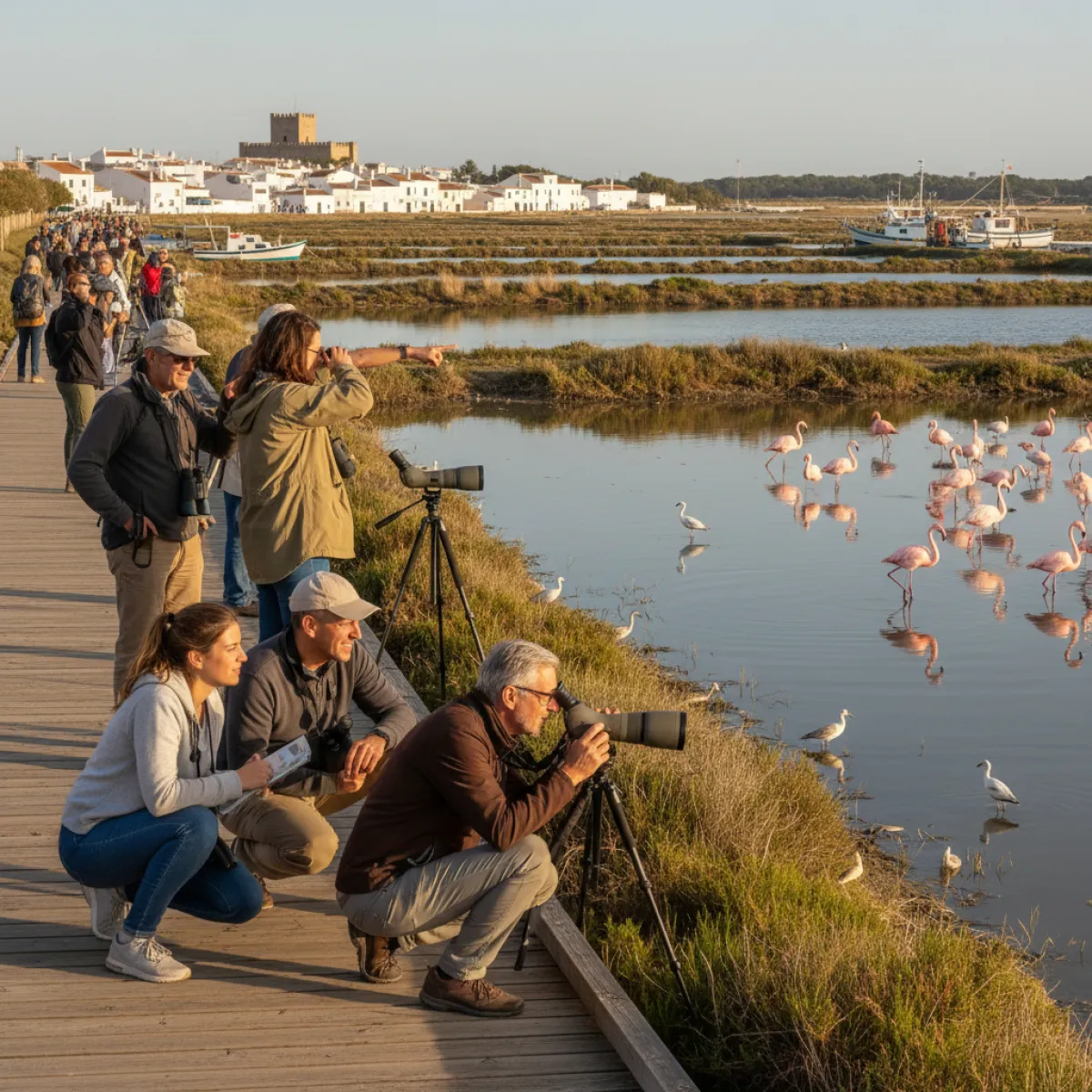
Here's something nobody mentions about bird watching on the Ria Formosa: timing is everything. At eight in the morning, with the tide pulling back and low light skimming across the salt pans, the flamingos look almost neon pink. By eleven, with the sun overhead and tour groups arriving, they're just large birds in the distance. If you're going to do this, go early.
What This Tour Actually Is
Passeios Ria Formosa runs dedicated birdwatching tours departing from Cabanas de Tavira and from Tavira itself, led by professional ornithology guides. The one I'd recommend is the Ria Formosa boat tour from Cabanas de Tavira: two hours, €25 per person, covering the salt pans, Tavira island, clam farms, and the network of dunes, lagoons, marshes, and tidal channels that make this ecosystem one of Europe's most important wetlands.
Binoculars and multilingual bird identification guides are included. You don't need your own gear, though if you have quality binoculars (8x or 10x magnification), bring them.
There's also a sea birdwatching option departing from Tavira at €40 per person for 2.5 hours. That one takes you along the Gilão river, past Quatro Águas, around Cabanas island and out towards the Fort of São João da Barra. It's better for seabirds specifically, but for sheer species diversity, the Ria tour from Cabanas wins.
What You'll Actually See
The Ria Formosa hosts over 220 bird species, making it one of Europe's most significant birding sites. You won't see 220 in a single morning, obviously. But 30 to 40 species in a two-hour spring or autumn session is entirely realistic.
Flamingos are the obvious headliner. Groups of dozens, sometimes hundreds, feed in the salt pans between Tavira and Cabanas de Tavira. But the species that really make an impression are the less famous ones: Eurasian Spoonbills sweeping their flat bills through the shallows, Black-winged Stilts with those absurdly long red legs, Avocets with their upturned bills. And if you watch the reed beds carefully, the Purple Swamphen appears with an electric blue that looks digitally enhanced.
Spring (March to May) brings arriving migrants and breeding displays. Autumn (September and October) delivers a different wave of passage migrants. Winter is surprisingly rewarding: fewer visitors, calm waters, and the year-round residents, White Storks, herons, egrets, are all present and easier to approach.
The Best Moment
About 45 minutes in, the boat enters a zone of abandoned salt pans where the water is particularly shallow. This is where bird density peaks. The guide cuts the engine and lets the boat drift. Near-total silence, just the splashing of feeding birds and wind through the reeds. If you're carrying a camera, this is where half your memory card goes.
Practical Details
How to Book
Book directly through the Passeios Ria Formosa website via their FareHarbor booking system, by email (reservas@passeios-ria-formosa.com) or phone (+351 962 156 922). Book at least two days ahead, especially between April and October.
What to Wear and Bring
- Neutral-coloured clothing (no bright white or red, birds spook easily)
- Hat and sunscreen, even for morning tours
- An extra layer: the breeze on the boat drops the temperature noticeably
- Water and a light snack
- Camera with zoom if you have one. Your phone won't reach the distant birds
- Your own binoculars if available (the provided ones are fine, yours will be better)
Getting There
Cabanas de Tavira is about 5 km east of Tavira centre. By car, it's a 10-minute drive with free parking near the quay. If you're staying in Tavira, the company offers transfers for an additional cost. Confirm directly with the provider.
Best Time of Year
Spring and autumn are peak seasons. But don't dismiss winter: flamingos are present year-round, and December light on the salt pans is spectacular for photography. Summer works if you go early. After 10am, the heat makes things less pleasant for you and less active for the birds.
Before and After
If you're arriving in Tavira the day before, check our complete Tavira travel guide to plan your day. After a morning tour, you have the afternoon free. Praia do Barril is a short boat ride away and perfect for unwinding after two hours of focused observation. For lunch, follow the recommendations in our guide to where locals actually eat in Tavira, because after a morning on the Ria, you'll want proper grilled fish, not a tourist menu.
If you prefer to keep exploring on foot, Tavira's hiking trails include routes through birding areas, particularly the Ecovia do Litoral connecting Tavira, Santa Luzia, and Cabanas.
Is It Worth It?
At €25 with equipment included and a specialist guide, this is one of the best value nature experiences in the Algarve. You don't need to be a birder. You don't need to know a Grey Heron from a White Stork when you start. The guide handles that. What you need is patience and a willingness to sit quietly for stretches. If that sounds unbearable, this isn't for you. If it sounds like a rare luxury, you'll love it.