Eat
€€
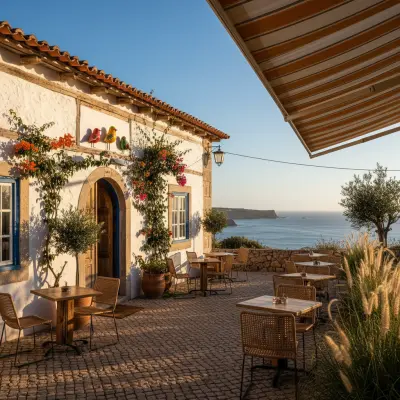
Three Little Birds
Sagres
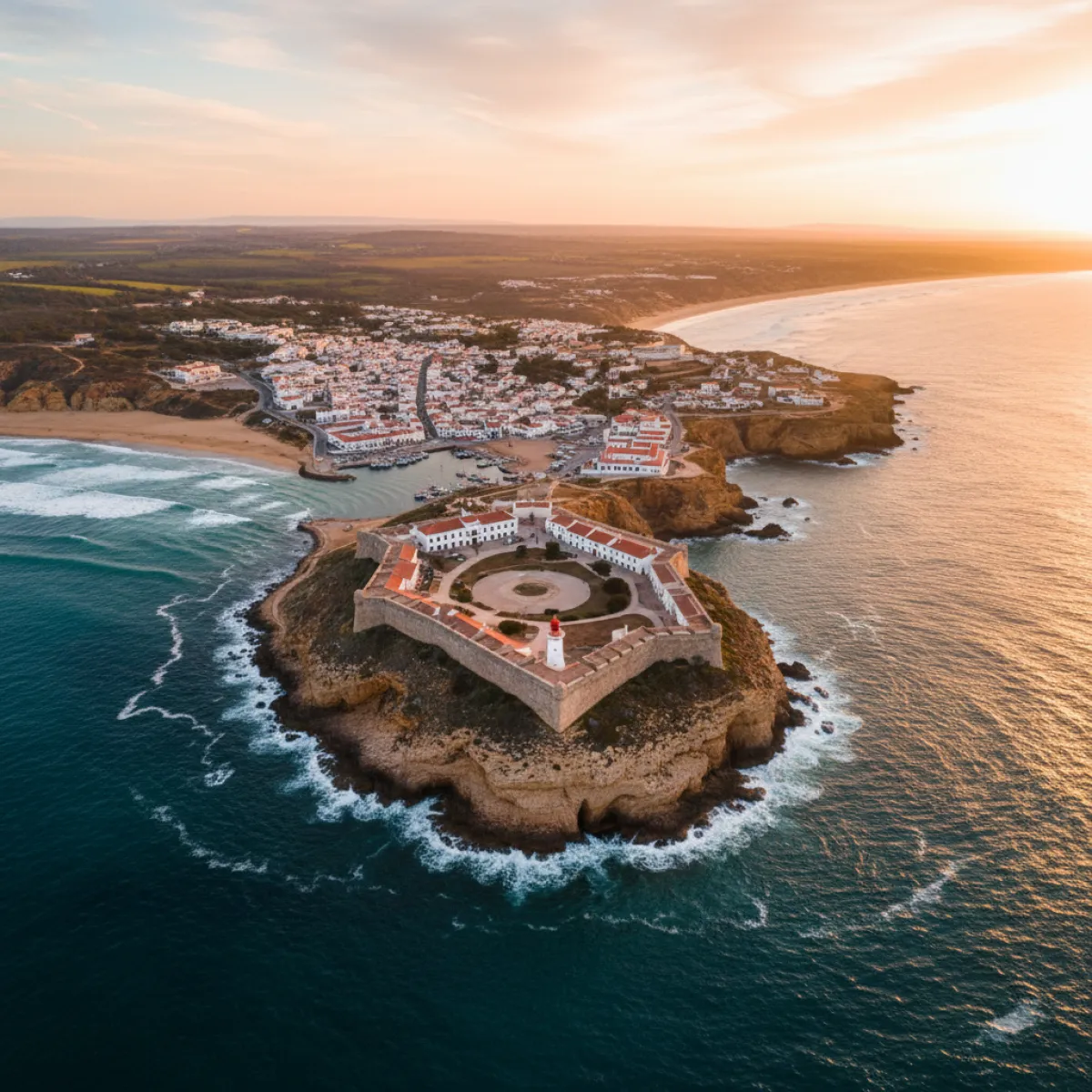
Sagres is the Algarve stripped back to essentials: sheer cliffs, surf at Praia do Tonel, and grilled fish that changes with the tide. Two nights in spring, with the Rota Vicentina on your doorstep, are enough to understand why people keep coming back.
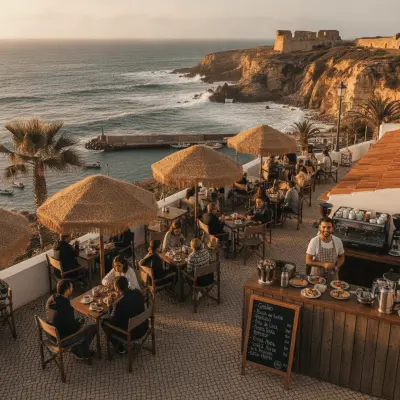
In Sagres, coffee is fuel, not barista theatre. From the counter espresso before the surf to the brunch galão at Three Little Birds, here is the honest guide to where to drink and, above all, what to order at every hour of the day.
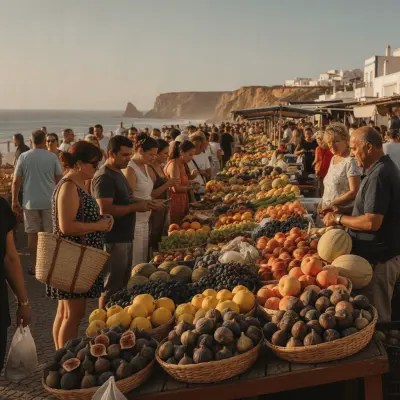
At seven in the morning, before the northeast wind picks up, vans from Aljezur unload peaches, small melons and ripe white figs. An honest guide to buying seasonal fruit around Sagres, month by month, with real prices and what to cook after.
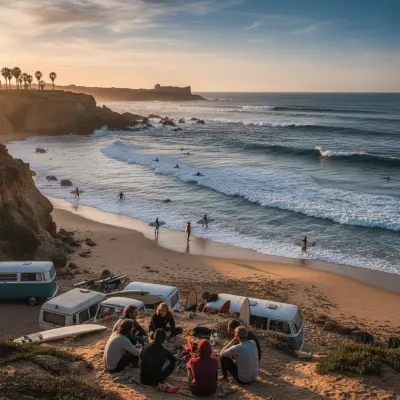
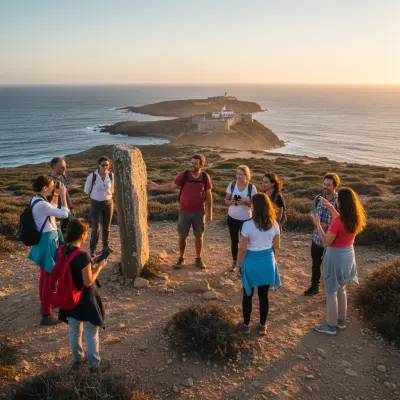
In June, Sagres has about three weeks when the north wind has not yet settled and the water no longer freezes your feet. An honest guide on which beach to choose, when to paddle out, and where to eat between sessions.
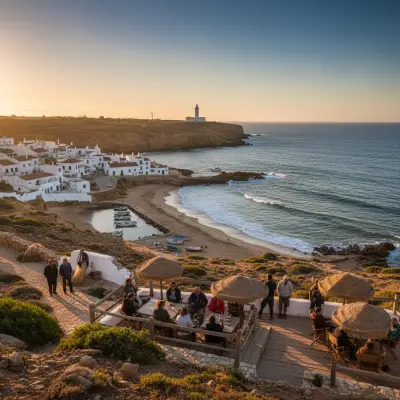
Four neighborhoods, seven days, and the nerve to do nothing: how to skip the lighthouse loop and settle into Sagres as if you lived there. Where to sleep, where to take lunch seriously, and why October is the month that finally explains this fishing village at the end of the world.
Sagres divides people. Some see a windswept village at the end of a dead-end road and wonder what the fuss is about. Others, the ones who come back year after year, understand that this end-of-the-road quality is precisely the point. The Fortaleza de Sagres, perched on its battered promontory, is the obvious draw, but the place makes more sense once you step outside the walls.
There's no polished boardwalk here, no strip of competing terraces. Sagres exists between rock and ocean at a scale you can walk end to end in thirty minutes. Praia do Tonel, directly below the fortress, is one of the few Algarve beaches where you can surf with cliffs as a backdrop, though the north wind can make or ruin the session depending on swell direction. Praia da Mareta, more sheltered in the bay, is the fallback when Tonel turns hostile.
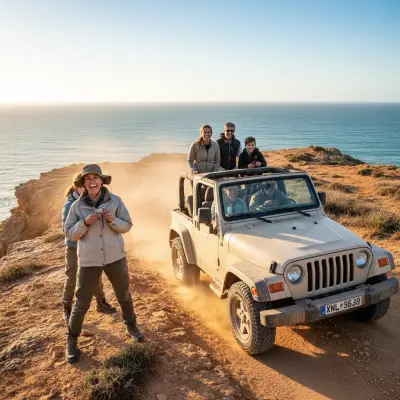
Cabo de São Vicente is less than ten minutes by car and worth the trip, especially late afternoon. The lighthouse, the last sausage vendor on the European continent (a real and unlikely tradition), and the sheer scale of the Atlantic do the rest. Go on a weekday if you can, the tour buses at weekends take something from it.
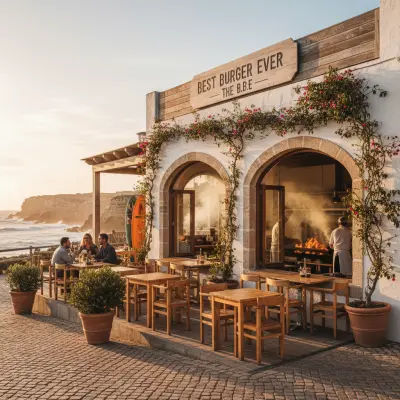
Sagres doesn't have a refined food scene, and that's fine. What it has are honest fish restaurants where the catch of the day changes with the tide. Percebes (goose barnacles), when available, are essential. Cataplana de marisco appears on every menu and this close to the Vicentine coast, it's usually done right. For something more laid-back, Rua Comandante Matoso, the village's main street, has several surf-inflected spots for a beer and a burger.
Two nights is enough to take Sagres in without rushing. Spring, April and May, is the sweet spot: spectacular light, wild flora along the coastal trails (the Rota Vicentina passes through here), and warm enough for the beach without the August crowds. The wind is constant, so bring a layer. In winter, Sagres becomes a stark, beautiful retreat with half the restaurants shuttered but world-class waves for surfers.
If your image of the Algarve is golf resorts and package holidays, Sagres is the necessary counterpoint. No gimmicks, no manufactured entertainment, just Europe's most dramatic coastline and the time to sit with it.