Sleep
€
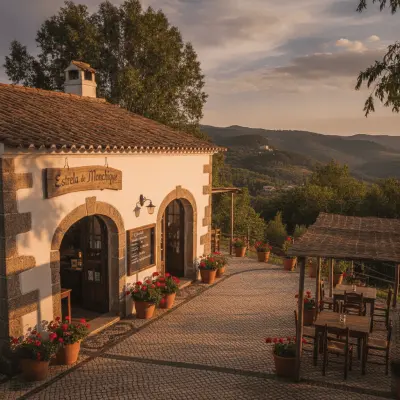
Estrela de Monchique
Monchique
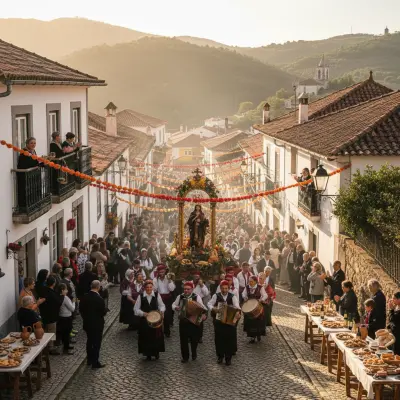
Monchique runs on two calendars: the official one and the one whispered over beers at Bar Travessa. From the April Sausage Fair to the November Magusto, here's the serra's festive year explained by people who live it, without posters or flourishes.
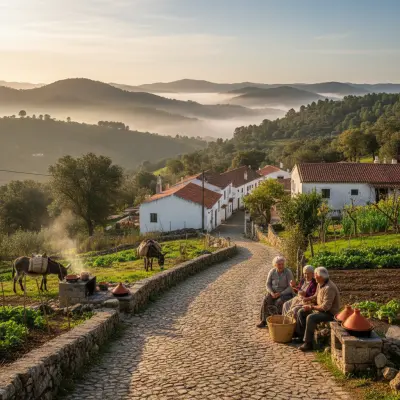
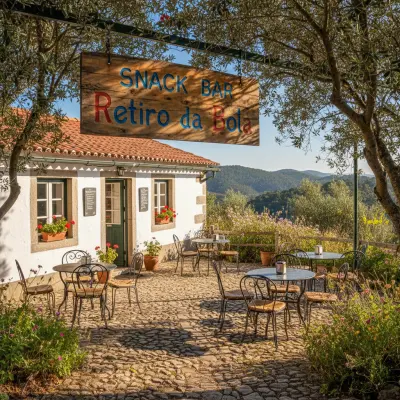
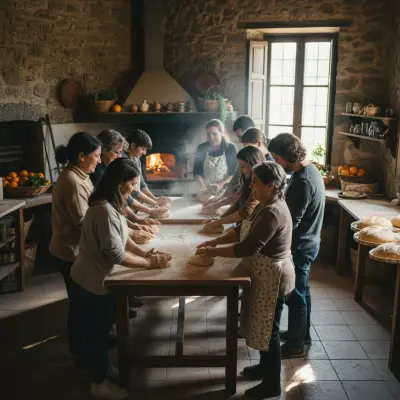
Forget the crowded viewpoints and the souvenir shop selling chouriço at saffron prices. This is a Monchique weekend the way locals actually do it: bread kneaded in Alferce, drinks at Bar Travessa, and the three-euro breakfast that alone justifies the trip.
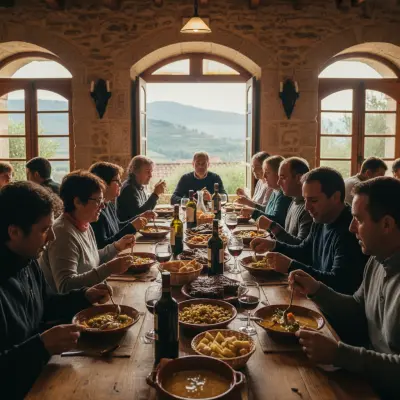
Forget the decorative medronho bottles and the three-hour lunches. The real Monchique is eaten at the counter, paid in cash, and closes by nine. An honest guide to finding the mountain locals never post on Instagram.
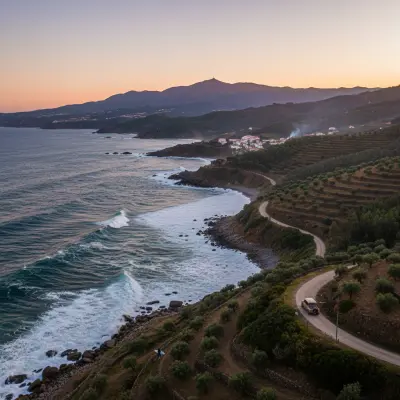
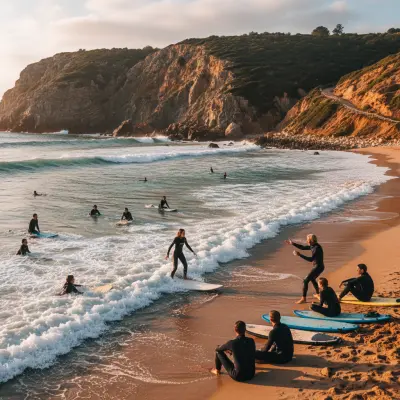
Monchique has no sea, but it has something better: 458 metres of altitude and the Costa Vicentina twenty-five minutes away. How to surf from the mountains, where to grab breakfast before driving down, and why this is the smartest Algarve base for anyone who loves waves.
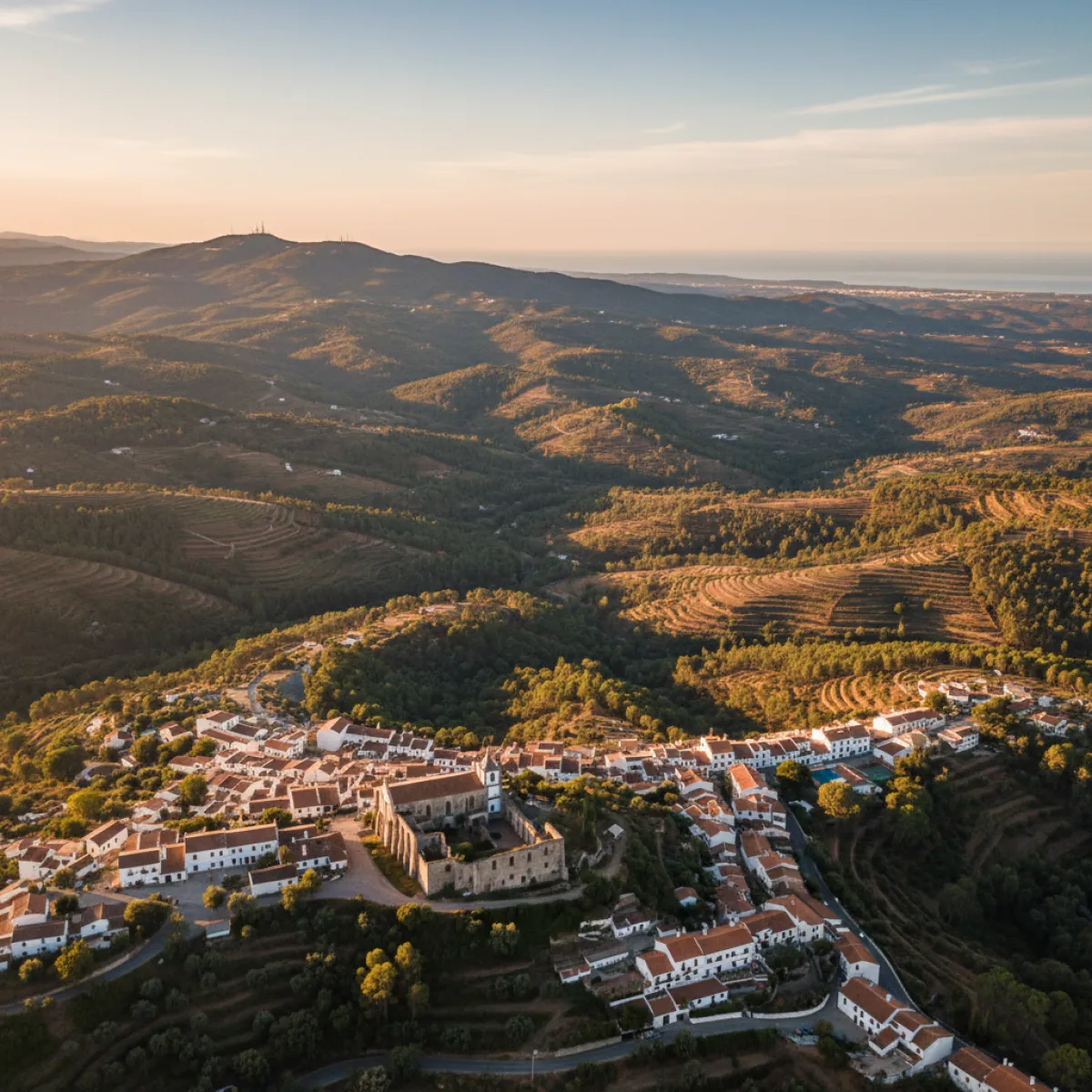
Monchique is the antidote to the coast. While the Algarve shoreline heaves with crowds from June to September, this hill town at 450 metres keeps things cool, literally. Temperatures run several degrees below the beaches, and the air smells of eucalyptus and chestnut instead of sunscreen.
The town itself is compact and manageable in a morning. The Igreja Matriz, a 16th-century church, has a Manueline doorway with a pointed arch and botanical stone carvings worth stopping for. From there, streets climb and dip without much logic, and the monthly market (second Monday of each month, in the main square) is the best place to pick up mountain honey and black pork sausages.
But Monchique is more than the town, it's the whole serra. Fóia peak, at 902 metres, is the highest point in the Algarve. On clear days, you can see the coast from Portimão all the way to Cape São Vicente. The road to the top is winding but paved, and along the way hiking trails branch off through chestnut and cork oak forest.
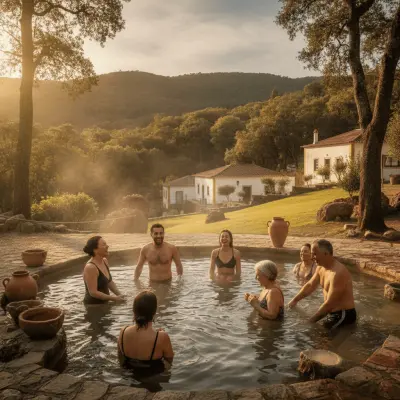
About 6 km from town, Caldas de Monchique is barely a village: a handful of restored buildings around a shaded square and a thermal spa complex. The sulphurous springs surface at a steady 32°C and have been known since Roman times. You don't need to book into the spa to appreciate the place, the square itself, with its fountain and old trees, is reason enough to stop.
Black pork runs the menu. The air-cured presunto, the sausages (the Feira dos Enchidos, held the first weekend of March, is dedicated to exactly this), and the cozido de Monchique, a mountain take on the Portuguese stew with pork, chicken and vegetables, are what you eat here. To drink, medronho. The spirit is distilled from the fruit of the strawberry tree, strong and unapologetic. Go easy, because the second glass arrives before you've registered the first.
Two days is enough to see Monchique without rushing: one for the town and Fóia, another for Caldas and a trail through the hills. It works best outside peak season, March to May or September to November, when the serra is green and the tourists haven't arrived yet or have already left.