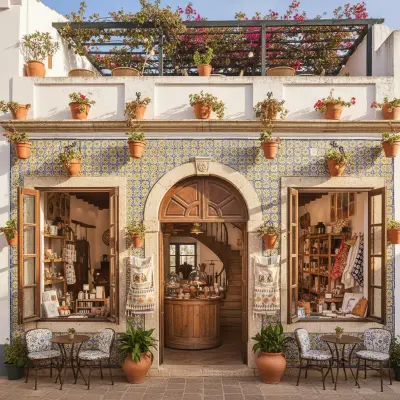
Go Out
€€
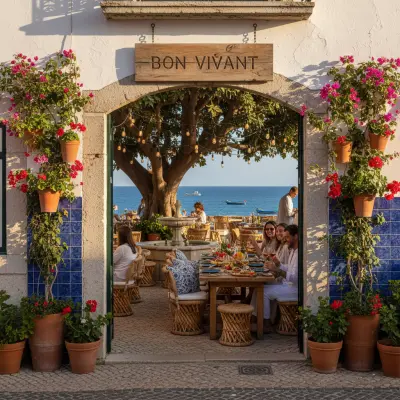
Mar d'Estórias
Lagos
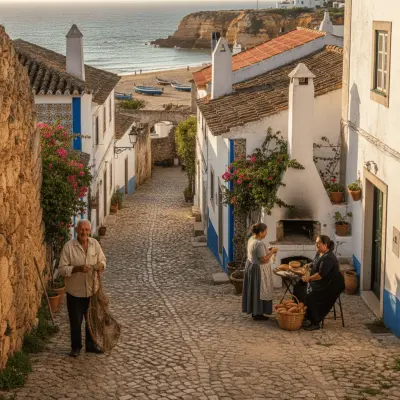
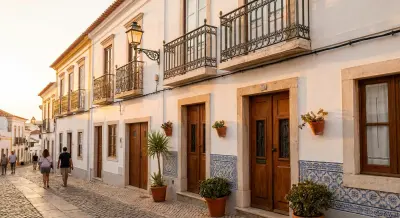
Most visitors do Lagos backwards: they go to Ponta da Piedade, take the photo, and leave convinced they have seen the city. They saw the set. The real Lagos is in the walls at dawn, the shops where the owner still knows you, and the right terrace at the end of the day.
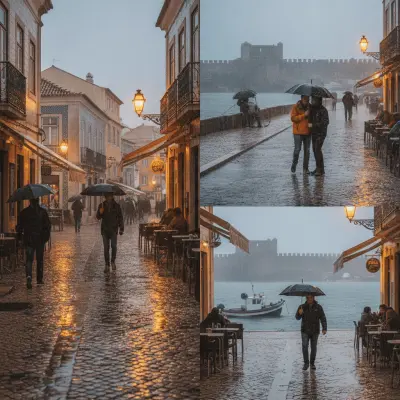
Algarve rain almost never lasts all day, but when it hits, Lagos has a real indoor life. Traditional shops, three hour lunches, two euro coffees, and the art of waiting for the sky to open for the boat trip. The honest plan for a wet day.
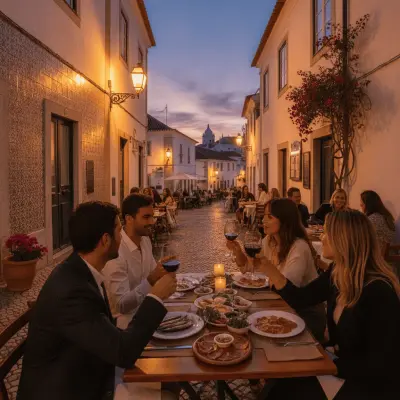
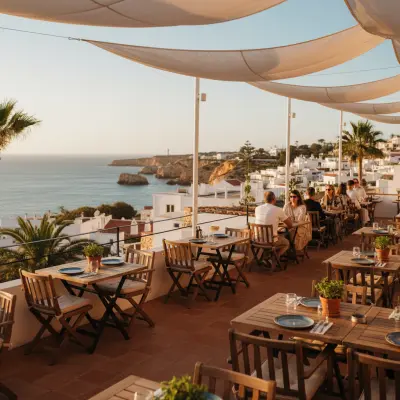
There is a right time to start drinking in Lagos, and it is not at dinner. A wine and petiscos crawl through the upper streets of the old town, from Luca's rooftop to the Mar d'Estórias terrace, with stops, prices and opinions along the way.
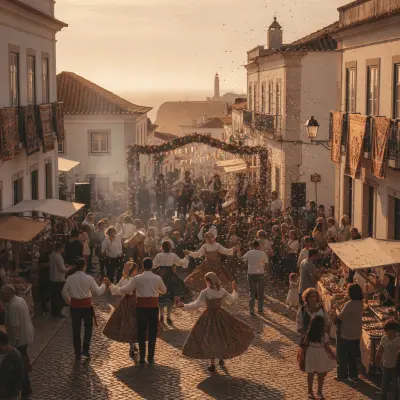
Carnival is in February, the best weather is in May and October, and the unmissable party is Banho 29, when at midnight on August 28 the whole town walks into the sea. An honest Lagos calendar to dodge the queues and catch the right festivals.
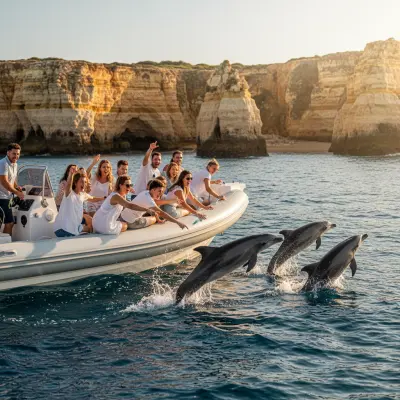
Lagos has a complicated relationship with tourism. In summer, Rua 25 de Abril becomes a river of flip-flops and ice cream, and the marina bars fill with British stag parties. But visiting Lagos only in August means seeing the city at its loudest, not at its truest.
The 1755 earthquake levelled most of it, but didn't erase the medieval street plan inside the walls. The Igreja de Santo António, with its excessive, almost suffocating gilded woodwork, is one of the most striking baroque interiors in the Algarve, and it sits next to the Municipal Museum, where Lagos's less comfortable history is on display. This was the departure point for the first African slave expeditions to Europe, and the former market at Praça da República makes sure that isn't forgotten.
Before thinking about beaches, sit down at one of the restaurants along Rua dos Ferreiros or near the Municipal Market. Cataplana de marisco isn't unique to Lagos, but here it's made with the ease of people who've been cooking it for generations. Percebes, goose barnacles, when available, are expensive but worth it. For a no-fuss meal, find a bifana in the centre. It's hard to go wrong.
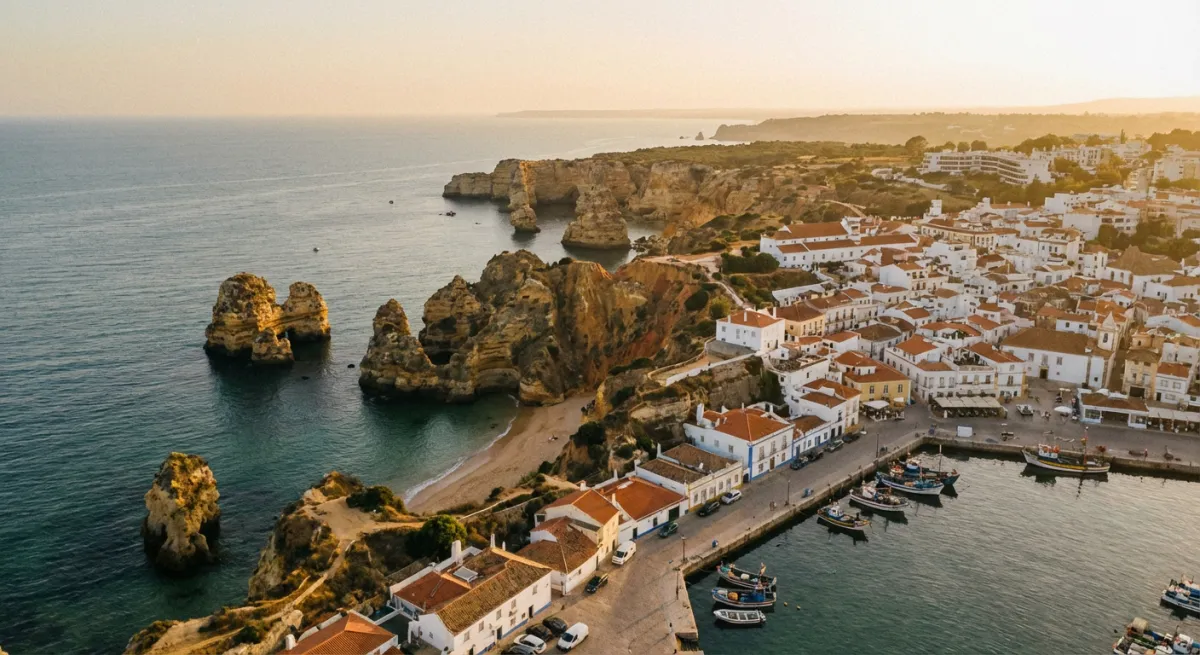
Praia de Dona Ana and Ponta da Piedade are the most photographed, and rightly so, the golden cliffs and sea caves earn every cliché thrown at them. But in July and August, arriving early is non-negotiable. Meia Praia, on the other side of the river, offers more space and fewer stairs. With a car, Praia da Luz is ten minutes away with a more residential feel.
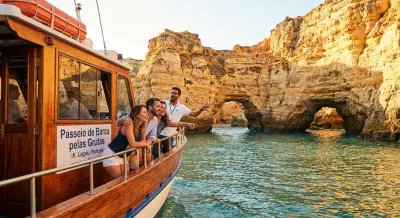
May, June, and September are the right months: warm enough for the beach, room in restaurants, and prices that haven't tripled. Two to three days is enough to walk the old town, take a boat trip to the grottoes, and try a few proper restaurants. If you stay longer, the inland parts of the municipality, the Bravura dam, for instance, are an honest surprise.
Lagos doesn't need adjectives. It's a city with heavy history, straightforward food, and a coastline that speaks for itself.