
Go Out
€€
Havana Club
Faro
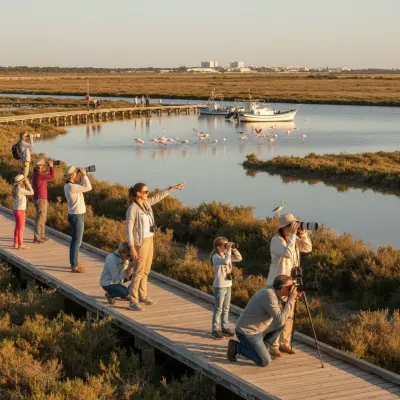
Five viewpoints, three pastry shops, and one simple rule: in Faro, the right hour matters more than the gear. An honest guide to photographing the Old Town, the Ria Formosa, and the light that shifts three times a day.
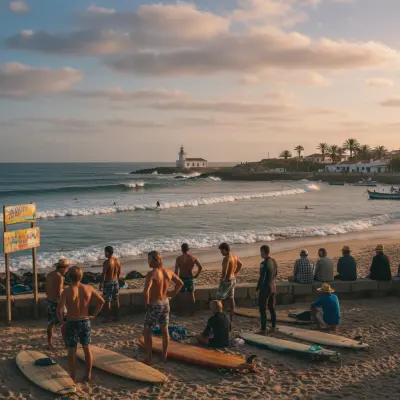
Faro isn't a surf town, and we'll say so up front. But it has small waves for learning, the Ria Formosa for stand-up paddle, and an hour west by car you'll find some of the best waves in Portugal. Here's the honest guide, with prices, timing, and opinions.
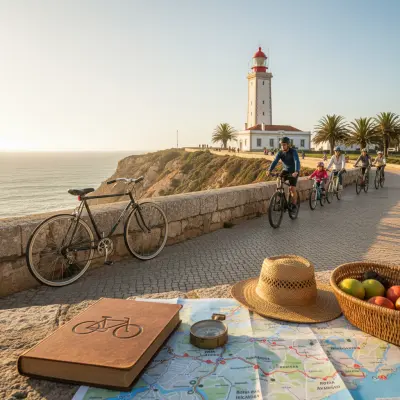
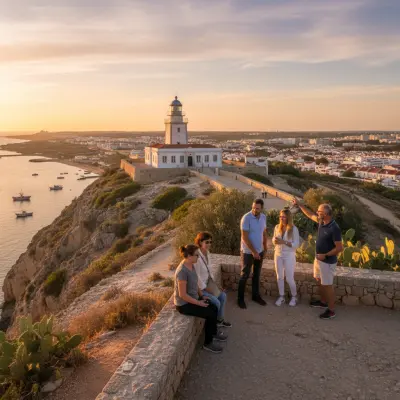
Faro is one of the few genuinely flat cities in the Algarve, and that changes everything. Five cycling routes, from a ten-kilometre loop through the old town to a sixty-kilometre crossing to Tavira, with strategic stops for coffee and pastries.
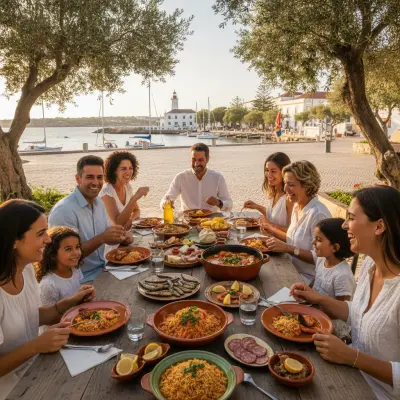
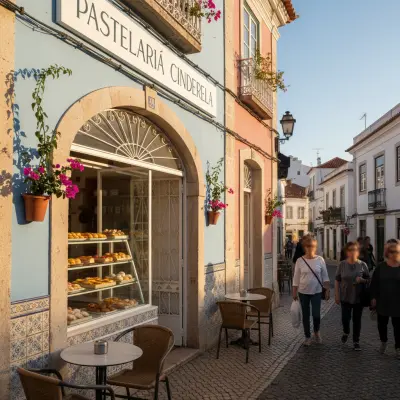
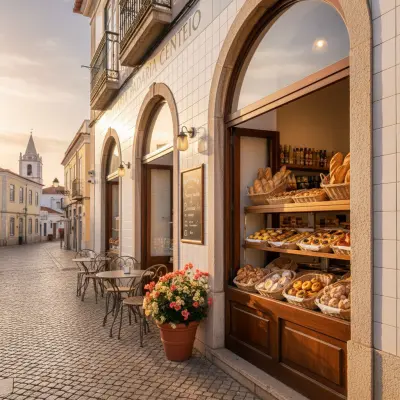
Xarém with cockles costs nine euros at the right taverns and is the dish that separates those who know the real Algarve from those who only saw the postcard. An honest guide to Faro's table, from the pastry shops downtown to the cataplanas that take forty minutes to reach you (and rightly so).
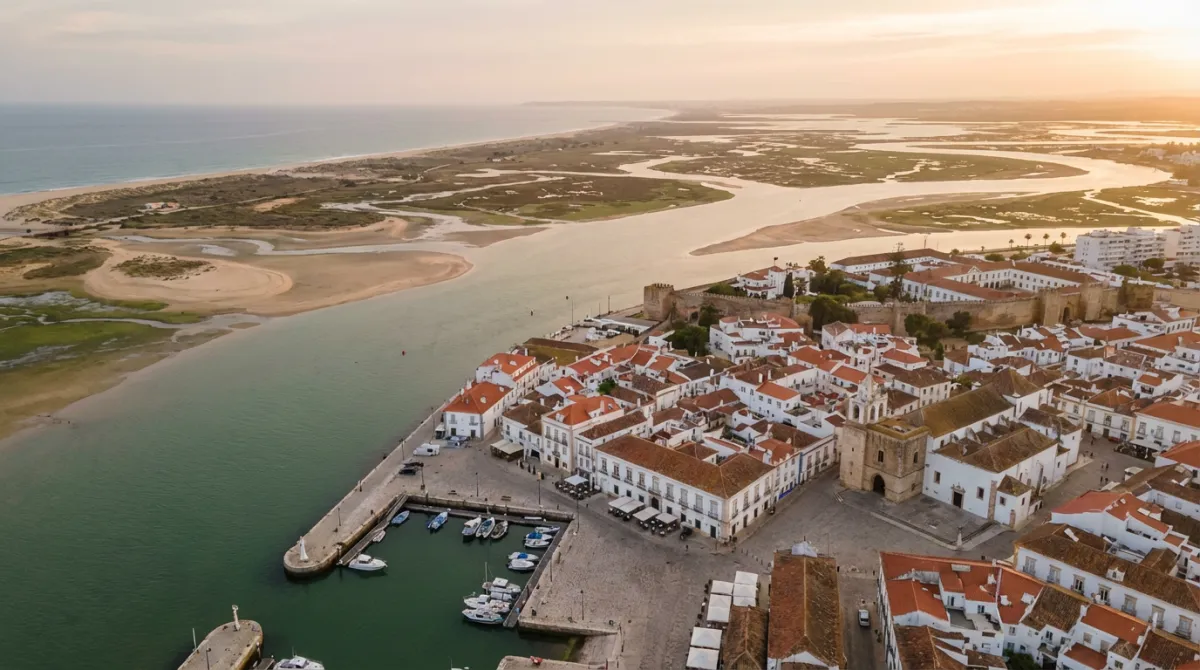
Most visitors pass through Faro on their way somewhere else. They land at the airport, get on a shuttle, and head straight to Albufeira or Lagos. This is a mistake. Faro is the Algarve's capital and it acts like one, it has a university, a year-round population that doesn't vanish in October, and a walled old town that operates as a quiet city within the city.
You enter through the Arco da Vila, an 18th-century gateway decorated with azulejo tiles and topped by a stork's nest (storks are everywhere in Faro, perched on church towers, lampposts, anywhere with a flat surface). Inside, the Cidade Velha is a handful of cobbled streets you can walk in thirty minutes. The Sé Cathedral, originally 13th century and rebuilt several times since, has a tower worth climbing for the panoramic view over the Ria Formosa. The Municipal Museum, housed in the former Convento de Nossa Senhora da Assunção, holds Roman mosaics unearthed in the region and a collection tracing the Algarve's history back to prehistory.
Rua de Santo António is the pedestrian artery where locals shop and drink coffee. It's here and on the surrounding streets that you'll find bakeries like Gardy, where almond pastries and folar bread are made with the seriousness the Algarve reserves for its confectionery. The Municipal Market, next to the harbour, is the right place to understand what the region eats, fish and shellfish from the Ria Formosa, fruit from the Barrocal hills, wild herbs.
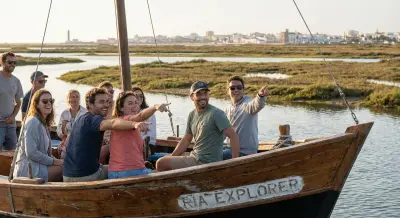
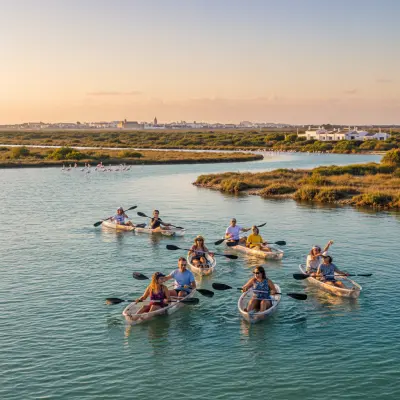
Faro is the main gateway to the Ria Formosa Natural Park, a lagoon system stretching 60 kilometres along the coast. Boats leave from the commercial quay to Ilha Deserta and Ilha de Faro, long, mostly undeveloped sand barrier islands. At low tide, you can see the oyster and clam beds that supply the city's restaurants.
Two days cover the essentials: one for the city, one for the Ria Formosa. If you visit during Holy Week, add a day, Faro's processions maintain a solemnity that has faded in many Portuguese cities. Summer is hot and crowded; September and October are ideal, with warm water and fewer people. For your first meal, start with cataplana or grilled fish at the restaurants near Jardim Manuel Bívar, and save the almond and fig sweets for dessert, they're the Algarve's signature.