Visit
€
Miradouro dos Três Castelos
Portimão

Portimão is more than a gateway to Praia da Rocha, it's a river city of quayside grilled sardines and one of the Algarve's best museums. Two days is enough to see why it works year-round.
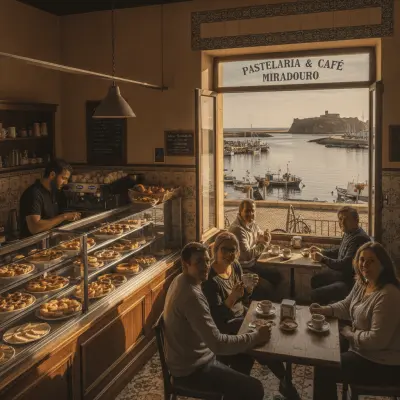
In Portimão, an espresso still costs less than a coin left over in your pocket, if you know where to stop and what to order. From downtown counters to the viewpoint over the Arade, this is the coffee route that separates locals from passers-through.
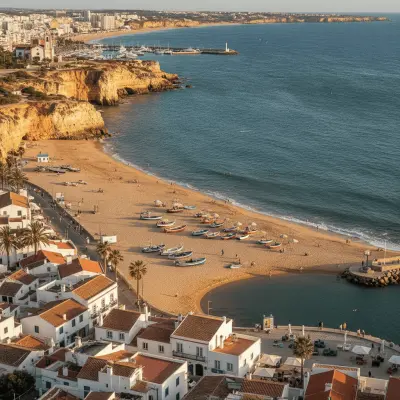
Portimão is four towns wearing one name: cliffs and neon in Praia da Rocha, sardines and quiet in Alvor, an old postcard in Ferragudo. Before booking, figure out what you want to be doing at 11pm, because that's what should decide where you sleep.
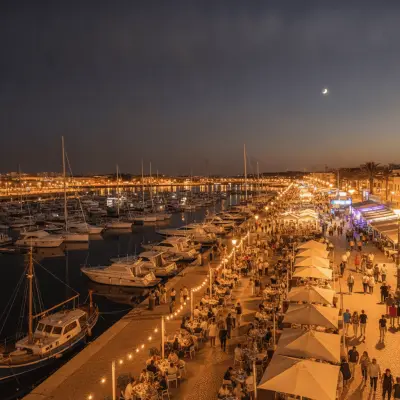
By day Portimão smells like grilled fish and old canneries; by night it becomes a sequence of dinners with a view, drinks at the marina, and the Strip in Praia da Rocha until sunrise. An honest guide for going out, with detours for anyone who'd rather skip the noise.
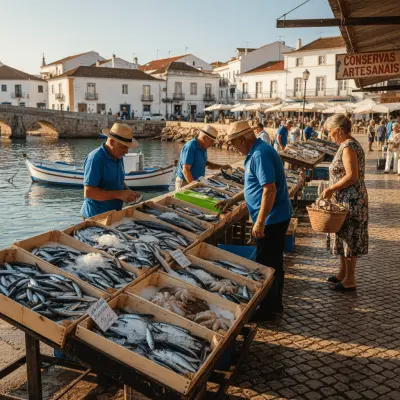
Forget Avenida Tomás Cabreira for an hour. Portimão is a port city with thirty former canneries, a municipal museum that rivals any other in the Algarve, and serious kitchens far from the cruise circuit. An honest guide for travellers who want more than the beach.
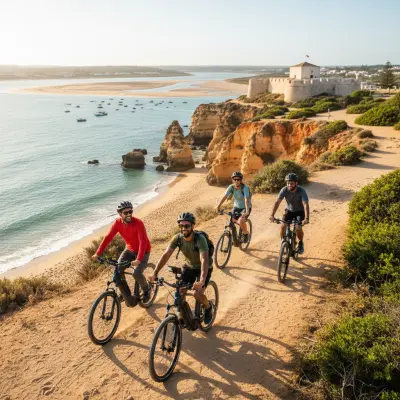
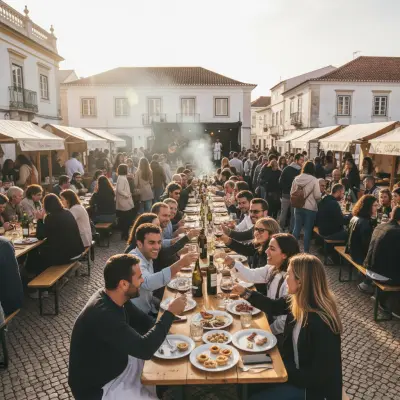
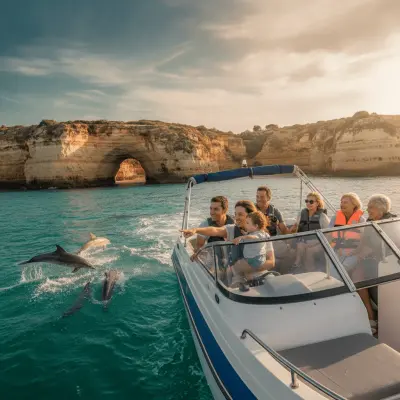
Portimão gets a bad deal in most travel guides. It's treated as a transit point, somewhere between Faro airport and Praia da Rocha's sunbeds. But the city itself, built along the wide mouth of the Arade river, has more weight than its beachside reputation suggests.
Portimão was built on fish. The old canning factories along the riverbank powered the local economy for decades, and the Museu de Portimão, housed in one of those restored factories, is one of the Algarve's best museum experiences. But the living legacy sits at the quayside, where charcoal-grilled sardine restaurants do what they've always done: grill fish over open flame, serve it with boiled potatoes and tomato salad, and make no apologies for the simplicity. The riverside area between the marina and the docks is where Portimão feels most itself, far from the apartment towers that crowd the skyline to the south.
The river gives Portimão something most Algarve towns lack: geographic depth. From here, boats head upstream to Silves, out to the coastal caves, or across to the Ria de Alvor wetlands. On the opposite bank, the fishing village of Ferragudo sits in plain view, a quiet counterpoint you can almost touch. This relationship with the river shifts your perspective: Portimão isn't just about the beach. It's an estuary, a port, a passage between the interior hills and the open Atlantic.
Two to three days is the right amount of time. May, June, and September hit the sweet spot, reliable sun, no queues at restaurants, and the river catching the right light in the late afternoon. In August, the annual sardine festival turns the quayside into a loud, smoky, popular celebration worth attending if you enjoy crowds and charcoal haze, and worth avoiding if you don't. Off-season, Portimão has a rare quality for the Algarve: it's a city that works year-round. The municipal market stays busy, the cafés are filled with locals, and daily life doesn't depend on tourist arrivals to keep going.
Start at the Museu de Portimão, have grilled sardines at the quay, walk to Praia da Rocha along the riverside promenade. Then decide if you want another day. You probably will.