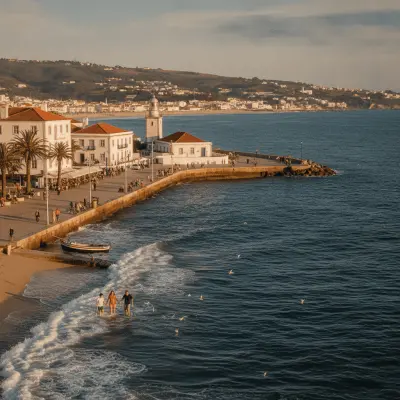
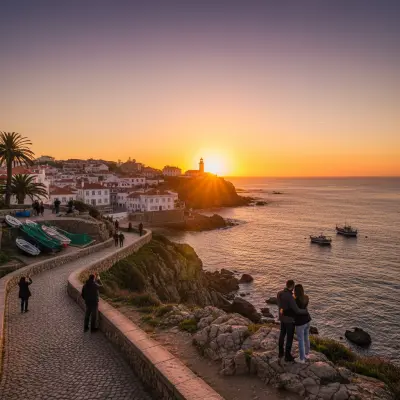
Cascais solves a problem most Portuguese coastal towns don't bother with: it's good-looking and it knows what to do with your time. A thirty-minute train ride from Lisbon's Cais do Sodré station, the line traces the Tagus until the estuary breaks open into the Atlantic, and you step off into a place that works for an afternoon or an entire week.
What Cascais isn't
It's not just a beach stop on the Cascais Line. Carcavelos and São João do Estoril already handle that. Cascais is something else. Fishermen still unload their catch at the harbour, the Mercado da Vila sells actual produce at local prices, and Rua Frederico Arouca mixes Italian gelaterias with shops selling fishing hooks.
Where to start
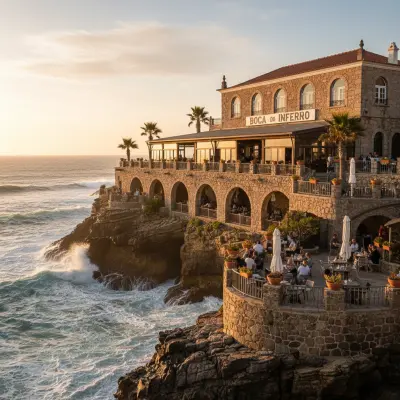
Boca do Inferno sits ten minutes on foot from the centre and is worth seeing, particularly in the late afternoon once the tour buses have cleared out. But the clifftop walk between town and the Boca matters more than the destination itself. Keep going to Farol Museu de Santa Marta, one of the few lighthouses in Portugal you can actually enter, and descend to the Miradouro da Azarujinha via stairs carved into the cliff face, with natural rock pools below when the tide cooperates.
Eating and drinking
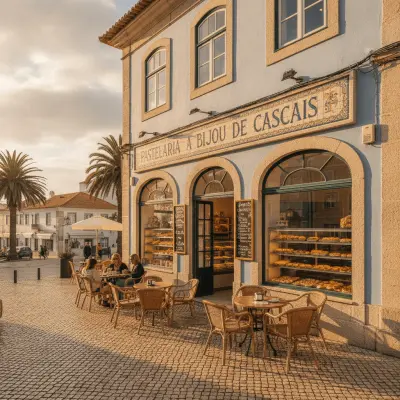
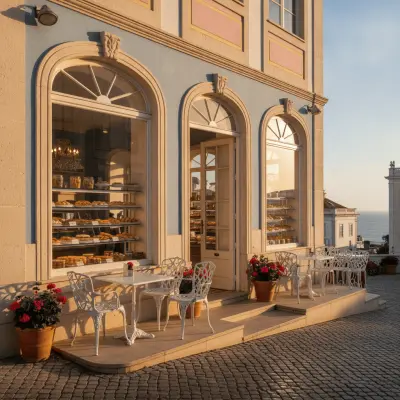
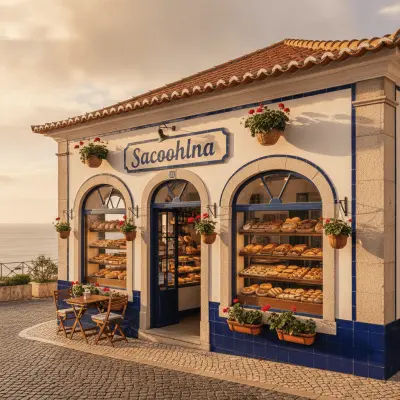
Grilled fish dominates, as you'd expect. Casa da Guia, a cluster of restaurants and shops on the coastal road toward Guincho, serves good food with a view, but prices match the setting. For something more straightforward, the small tascas near Mercado da Vila do honest pregos and bifanas without fuss. The pastéis de nata in Cascais won't rival Belém's, but they pair well with a coffee on Praça 5 de Outubro, watching the square do its thing.
When to go and how long to stay
May, June, and September are the right months. July and August bring crowds, higher prices, and vanishing parking spaces. Two days let you cover the centre, the coast to Guincho, and the Sintra-Cascais Natural Park without rushing. One day is enough for the essentials, but you'll leave wanting more.