Eat
€€
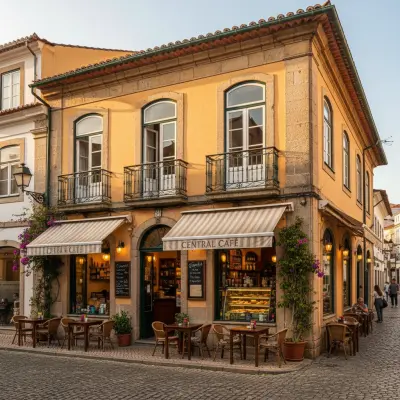
Central Café Restaurante
Santarém
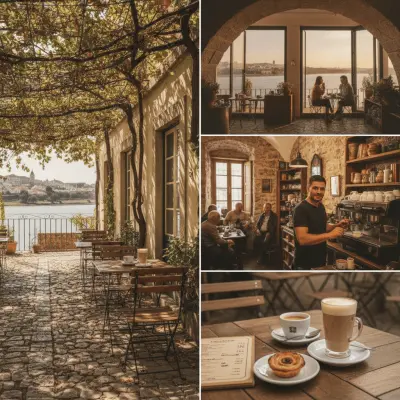
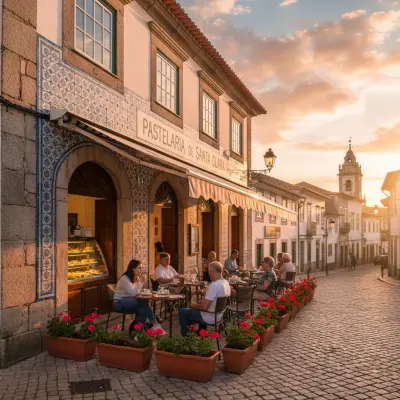
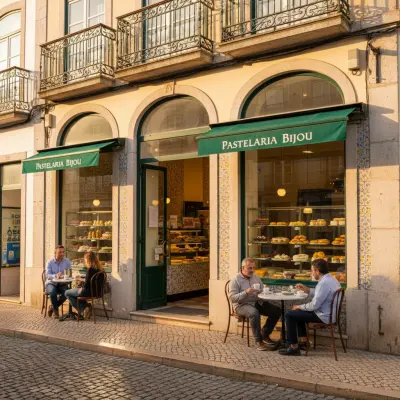
Three pastry shops, one walkable route through the historic centre, and the discovery that Santarém has its own convent pastry tradition most of Portugal has never tasted. Start with the slice, end with the prato do dia.
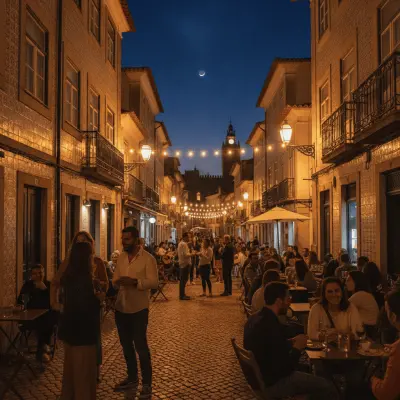
Santarém doesn't do all-night clubbing, but it does have a June fair that fills its grounds every evening and a hilltop garden over the Tagus where nightlife gets measured in hours of conversation. This guide tells you where to go, and where not to bother expecting more.
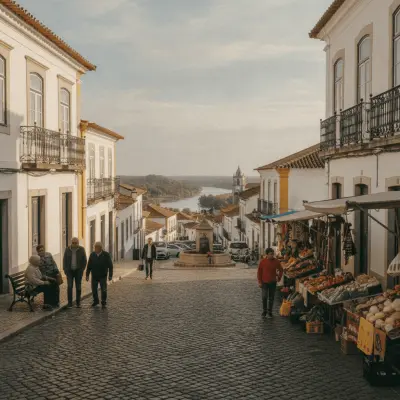
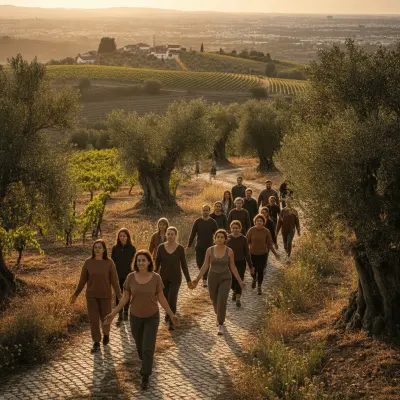
While everyone drives past on the way to Fátima or Óbidos, Santarém sits right there with the country's biggest cluster of Gothic churches and a river view almost nobody stops for. A full weekend in the city, between two rival pastry shops, a walking meditation on a working quinta, and a lunch table with no other tourists in sight.
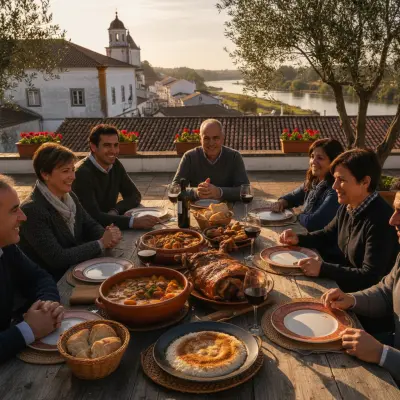
Santarém claims the title of Portugal's gastronomy capital, and between the sopa da pedra, morcela de arroz, and pastéis de feijão, it's hard to argue otherwise. A practical guide to what to eat, when to visit, and what to expect to pay.
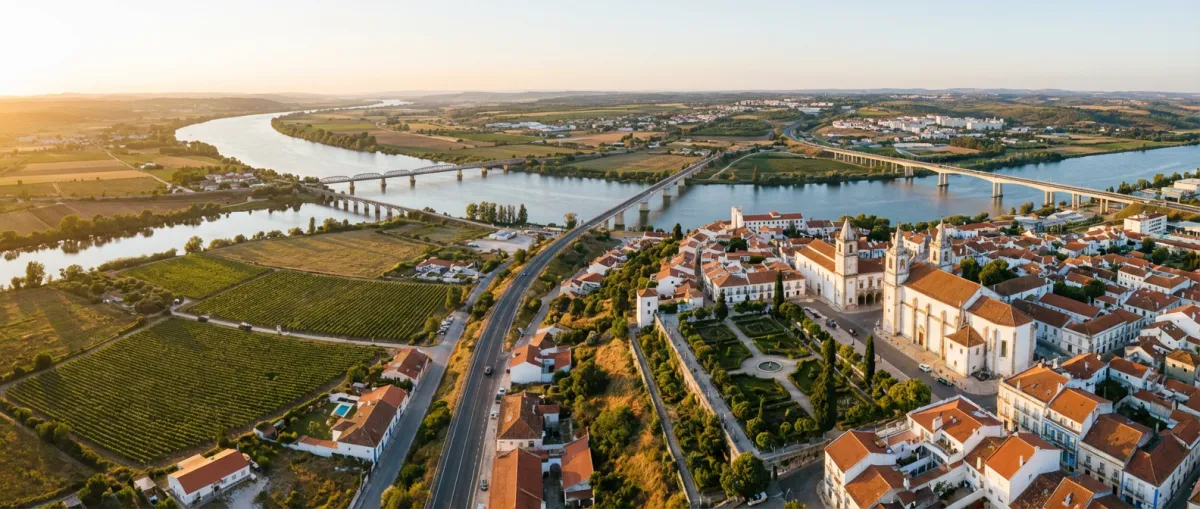
Santarém sits on a plateau above the Tagus River with a commanding presence few Portuguese cities can match. The view from the Miradouro de São Bento over the floodplain is among the country's finest, but if you stop there, you miss the point. This self-proclaimed Capital of Gothic architecture has enough churches to earn the title, a serious food tradition, and a connection to the surrounding farmland you can feel on every corner.
The Igreja de Santa Clara, the Igreja da Graça with the tomb of Pedro Álvares Cabral, the Convento de São Francisco, Santarém packs a walkable concentration of Gothic heritage that rivals far more touristy cities. The Igreja do Seminário, baroque rather than Gothic, breaks the pattern and is worth stepping inside. Portas do Sol, a garden built on the old Arab citadel, is the right place to start your morning before heading down into the historic streets.
Santarém takes food seriously. This is the land of sopa da pedra (stone soup), almeijoada à ribatejana, and morcela de arroz (blood sausage with rice). Restaurants around Praça Sá da Bandeira and along Rua Capelo e Ivens serve generous portions at prices Lisbon has long forgotten. Don't leave without trying pastéis de Santarém, puff pastry filled with egg cream that you'll find in the downtown bakeries.
Two days is enough to see the churches, eat well, and wander without a schedule. In June, the Feira Nacional de Agricultura, locally known as Feira do Ribatejo, takes over the city for ten days with bullfighting, food, and concerts. If crowds aren't your thing, skip that week. Spring and early autumn are ideal: mild temperatures and the Tagus floodplain at its best. Santarém is under an hour from Lisbon by train or car, making it an easy side trip, but it deserves more than a drive-through.
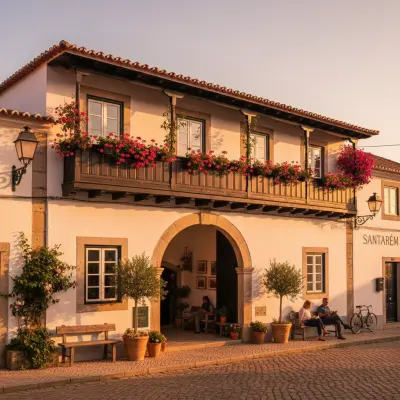
The historic centre has been slowly recovering, with new cafés and cultural spaces filling buildings that sat empty for years. This isn't a city that dresses up for tourists, and that's exactly why it works.