Visit
€€
Palácio Nacional de Mafra
Mafra
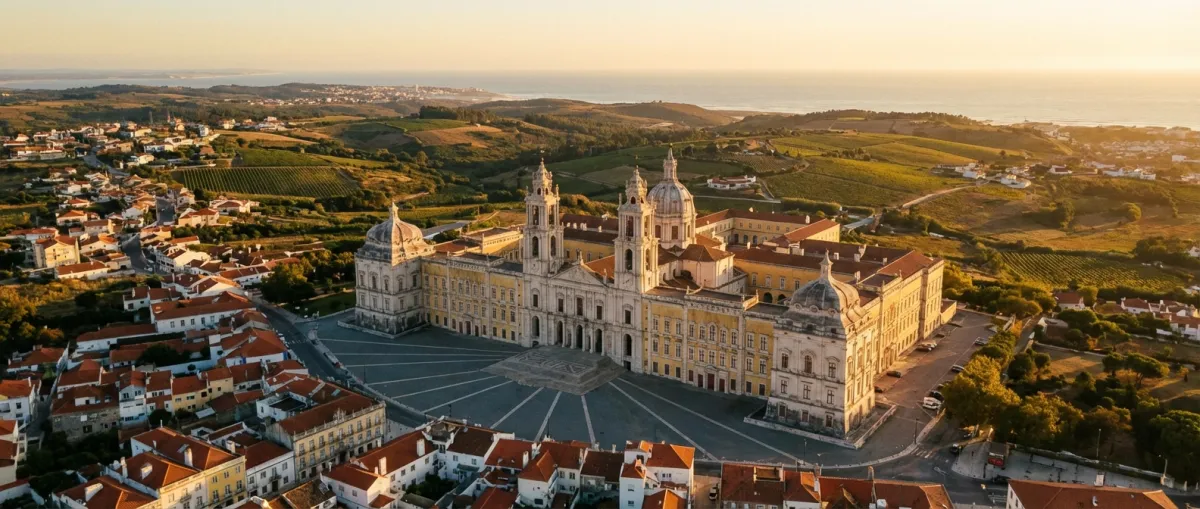
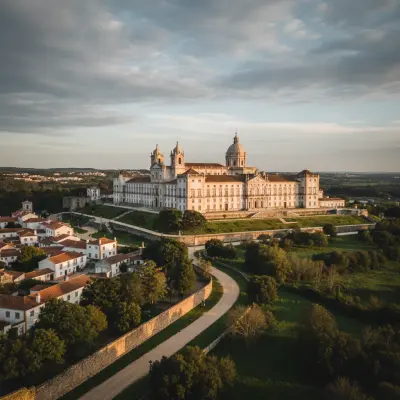
The largest Baroque building on the Iberian Peninsula, a UNESCO World Heritage Site since 2019, with a bat-protected library and 819 hectares of royal parkland to explore. Just 30 km from Lisbon, Mafra pairs João V's monumental palace with the Tapada Nacional, history and nature without Sintra's crowds.
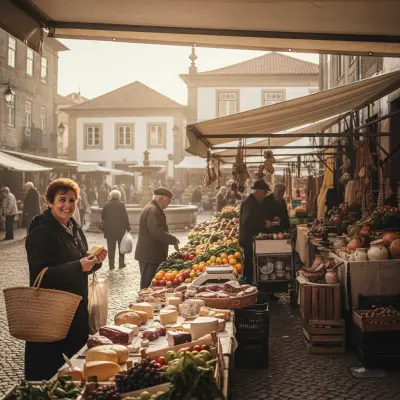
Two municipal markets, one open-air fair, and the best bread you've probably never tried. A stall-by-stall route through Mafra with clear rules on what's worth it, what's a trap, and what has to come home with you.

Mafra sits under 20 minutes from Ericeira, half an hour from Sintra, and less than an hour from Lisbon. With the Tapada Nacional on its doorstep and the coast minutes away, the hard part isn't finding things to do, it's deciding where to start.
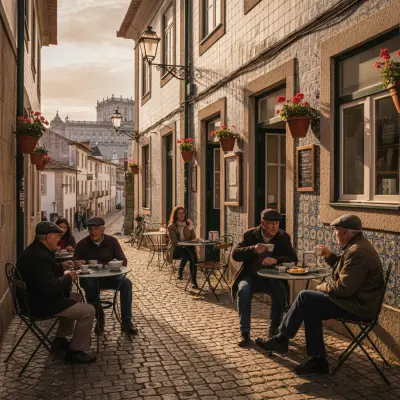
In Mafra, the fradinho at Pastelaria Fradinho (white bean, almond, egg) is the pastry you can't miss. But there's more: from Sempre Quente's pão de deus to Ericeira's specialty coffee scene, this is an honest guide to the cafés worth stopping for.
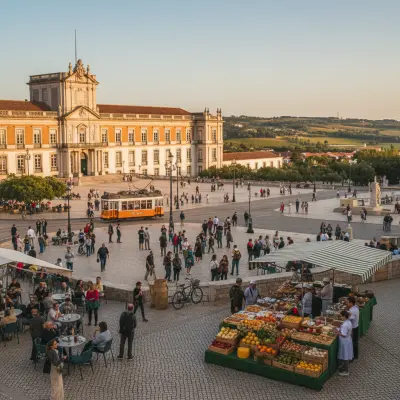
Mafra sits within 40 minutes of Sintra, Ericeira, Lisbon, and the wild Oeste coast. With the Tapada Nacional on its doorstep and surf beaches in the municipality, it works better as a base than an afternoon stop.
Mafra exists because of a promise, and a king whose ego matched the Brazilian gold filling his treasury. João V vowed to build a convent if he got an heir. He did, and the result was not a modest convent: it became the largest Baroque building on the Iberian Peninsula, with 1,200 rooms, 156 stairways, and a library of 36,000 volumes protected by a colony of bats that handles pest control every night. Since 2019, the whole complex, palace, basilica, convent, Cerco Garden and Tapada hunting park, has been a UNESCO World Heritage Site.
Most visitors underestimate how much time the Palácio Nacional de Mafra demands. An hour feels rushed; two is the minimum. The library, stretching 88 metres with marble floors, is the obvious highlight, but the monks' infirmary, the Blessing Room clad in polychrome Lioz stone, and the basilica's unique set of six historical organs all deserve slow attention. The two bell towers hold 114 bells between them, commissioned in 18th-century Flanders, and they still ring on special occasions.
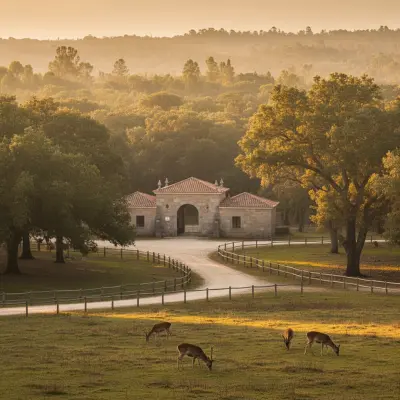
The Tapada Nacional, a former royal hunting ground, covers 819 hectares just minutes from the town centre. It offers walking trails from 4 to 9 km, electric car and carriage rides, birds of prey displays, and night walks to spot deer and wild boar. It's one of the best nature outings within reach of Lisbon, and far less crowded than Sintra.
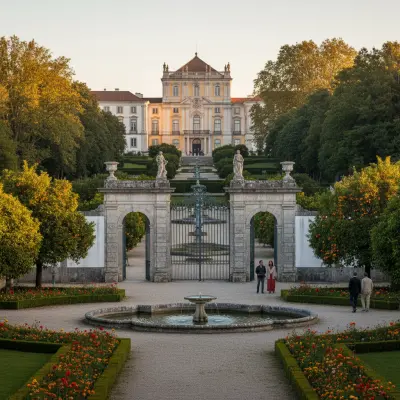
The Jardim do Cerco, behind the palace, is a free decompression zone: formal gardens, generous shade, and genuine quiet.
Mafra deserves a full day, especially if you combine the palace with the Tapada. For lunch, look for traditional Saloio dishes: bolos saloios (dense, flavourful regional bread) go well with any meal. The nearby coast around Ericeira brings seafood to the table, açorda de lagosta (bread-thickened lobster stew) is the local signature. From Lisbon, it's 30 km via the A8; by car, under 40 minutes.
Anyone who has read Saramago's Baltasar and Blimunda will recognise the setting, the pharaonic construction, the thousands of workers, the weight of the stones. The novel gained another layer when the palace earned its UNESCO listing in 2019, and it's hard to walk those corridors today without thinking of Saramago's characters.