Mafra Day Trips: Where to Go and How to Get There
Mafra sits under 20 minutes from Ericeira, half an hour from Sintra, and less than an hour from Lisbon. With the Tapada Nacional on its doorstep and the coast minutes away, the hard part isn't finding things to do, it's deciding where to start.
Mafra has a problem most Portuguese towns would love to have: it's surrounded by extraordinary places in every direction. Half an hour west, the Atlantic crashes against the cliffs of Ericeira. Forty minutes south, Sintra hides in fog and palace gardens. And between all of this, the municipality of Mafra itself has enough to fill a week without repeating a single route.
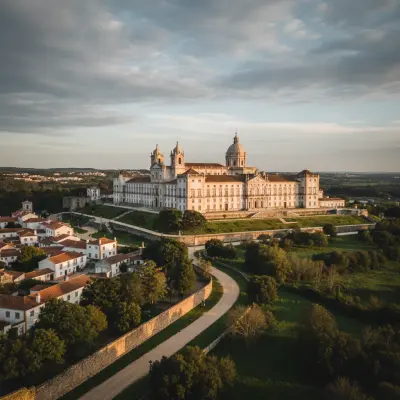
But let's be honest. Most visitors come to Mafra, stare at the Palácio Nacional de Mafra, feel overwhelmed by its absurd scale, and leave. Big mistake. The palace is just the starting point. This guide is for people who want to go further.
Start with what's right next door: Jardim do Cerco
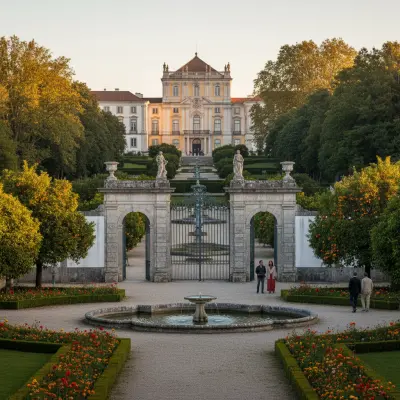
Before heading out of Mafra, do what locals do on a Sunday morning. Jardim do Cerco sits right behind the palace, and it's one of those gardens that rewards slow walkers. The geometric flowerbeds give way to less obvious paths between centuries-old trees. It's free, opens early, and at 8:30am you'll have the place almost entirely to yourself. Grab a coffee from the town centre, find a bench facing the box hedges, and sit for fifteen minutes. The day will feel different after that.
Tapada Nacional: the day trip that's already in Mafra
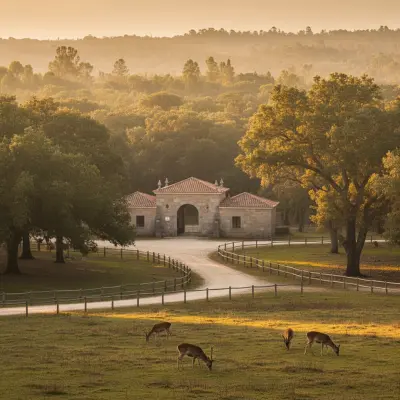
If I had to pick one thing to do in the entire municipality, it would be the Tapada Nacional de Mafra. Eight hundred hectares of forest that used to be the royal hunting grounds, now open to the public. There are walking trails, carriage rides, and with some luck, deer grazing just metres away. Entry costs a few euros and is worth every cent. The tip: go first thing in the morning, when the animals are most active and the school groups haven't arrived yet. On weekends, the car park by the main entrance fills up early, so arrive before 10am.
For families with kids, the Tapada is unbeatable. There's a shorter, signposted route past the lake and the fallow deer area. For adults who want a proper walk, the full trail takes three to four hours through dense forest where the only sound is birdsong.
Ericeira: 20 minutes and a different world
The Mafra-to-Ericeira connection is one of the easiest you'll make. By car, it's under 20 minutes on the N116. By bus, Mafrense runs the route several times daily (check locally for schedules, they shift with the season). Ericeira needs no introduction as a surf destination, but what many people don't realise is that outside peak season, the town has a calm and authenticity that make it worth visiting even if you never touch the water.
What to do there? Walk along Rua da Boa Viagem down to Praia dos Pescadores, watch the painted boats propped against the ramp, and have an unhurried lunch. Prédio Ericeira is a solid pick for anyone who wants to eat well in a place with character. It's not your typical grilled-fish-by-the-sea setup. It has personality, a kitchen that thinks about what it serves, and a menu that changes.
If the weather's good and you want a beach without crowds, head to the São Lourenço area. Ribeira d'Ilhas is the most famous surf beach, but the ones further north, like Praia de São Julião, tend to be quieter.
Sintra: always worth it, if you know when to go
Saying Sintra is a must is obvious. What's not obvious is how to go without losing your mind in traffic and queues. From Mafra, it's about 30 to 40 minutes by car, depending on traffic. You can also bus to Cacém and catch the train, but honestly, a car is more practical if you don't want to be tied to timetables.
The golden rule: don't go on weekends between June and September. The town turns into one enormous queue. Go on a Tuesday or Wednesday, arrive at 9am, and start with whatever's at the top of the hill before working your way down to the centre. If you'd rather explore the less touristy neighbourhoods, our Sintra neighbourhood guide gives you a different itinerary from the usual Pena-Mouros-Regaleira circuit.
The combined ticket for two or three palaces works out cheaper than individual ones. Buy online in advance to skip the ticket office.
Lisbon: the capital in under an hour
From Mafra to central Lisbon, allow 45 minutes to an hour by car, depending on traffic on the A8 or IC19. Avoid rush hour like you'd avoid an unshaded terrace in August. Leave Mafra at 9:30am and you'll comfortably reach Rossio by 10:15 on a normal day.
If you've never been beyond Belém and Chiado, it's worth diving into the neighbourhoods that make Lisbon what it actually is. Mouraria, Graça, the revitalised Intendente. For those who want to go prepared, our guide to local culture in Lisbon covers the traditional quarters and experiences that escape the tourist circuit.
Practical tip: park at Parque das Nações or Campo Grande (covered car parks at reasonable rates) and use the metro to get around. Trying to park in Baixa or Alfama is an exercise in frustration and expense.
Coast and green spaces: Parque de Santa Marta
For a shorter day, no big logistics, Parque de Santa Marta is an option many people overlook. It's a quick trip from Mafra, ideal for a morning or late afternoon. It combines green space with proximity to the sea and works particularly well for picnics or easy-going outings with children.
For those who want more than sightseeing
If you're in Mafra for longer than a weekend, or if you simply want to break the monument-restaurant-monument cycle, there are options that force you to slow down. The detox retreat at Quintinha do Mar is one of those programmes that only makes sense if you take the idea of switching off seriously. It's not a hotel spa. It's a proper retreat, in the countryside, with a structured programme. It's not for everyone, and that's exactly why it works for those who need it.
Suggested itinerary: three days from Mafra
Day 1: Deep Mafra. Morning at Jardim do Cerco and the palace. Full afternoon at the Tapada Nacional. If you're visiting around Easter or during a traditional sweets season, don't miss the local conventual pastries. Our guide to Easter sweets in Mafra shows that the town's pastry tradition goes well beyond the ordinary.
Day 2: Ericeira and the coast. Early morning in Ericeira, coastal walk, lunch at Prédio. Afternoon at Parque de Santa Marta or a beach further north.
Day 3: Sintra or Lisbon. Pick one. Sintra for palaces and nature. Lisbon for neighbourhoods, food, and organised chaos. Don't try to do both in the same day unless you enjoy arriving back at the hotel exhausted and irritable.
Getting around
A car is king in this area. Public transport exists but frequency is limited, especially on weekends and outside peak season. If you don't have a car, Mafrense operates buses between Mafra, Ericeira, and Lisbon (Campo Grande). Check schedules on their website or at the bus station. For Sintra, you'll need to go via Lisbon or use a taxi/ride-hailing app.
From Lisbon to Mafra, the bus from Campo Grande takes about an hour. If you're coming by train, the nearest station is Cacém (Sintra line), and from there you'll need a bus or car.
For those arriving from the airport: allow about an hour to Mafra, more if traffic on the CRIL is bad. A ride-hailing trip (Uber/Bolt) costs roughly €25 to €40, depending on the time of day.
Mafra isn't a place you pass through. It's a base. Use it as one, and the map around it opens up in ways that a Lisbon-only itinerary never could.