Local Culture in Lisbon: Traditions, Neighborhoods and the City's Soul
Lisbon is a city where past and present intertwine at every corner. Discover the traditions, historic neighborhoods, and customs that make the Portuguese capital one of the most authentic cities in Europe.
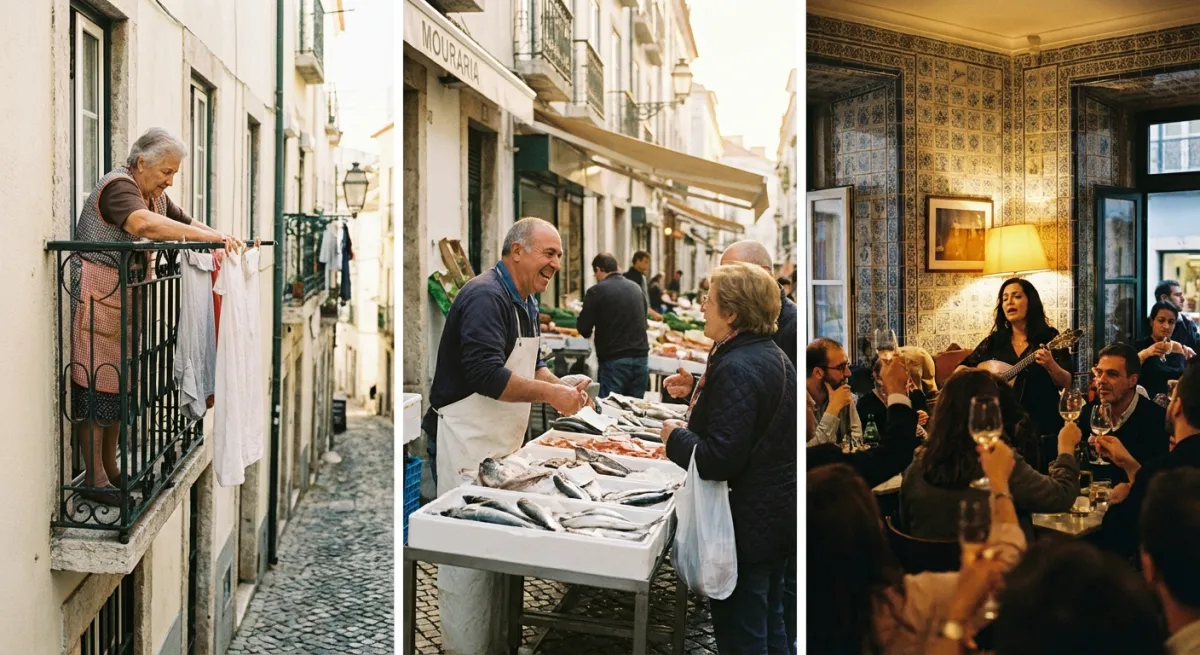
Lisbon isn't a city you simply visit, it's one you feel. The Portuguese capital is a place of harmonious contrasts, where centuries-old traditions coexist with a vibrant contemporary energy. To truly understand Lisbon, you need to immerse yourself in its local culture, its neighborhoods, its sounds, and its flavors.
Fado: The Sound of Lisbon's Soul
You cannot speak of Lisbon's culture without mentioning fado. Born in the narrow alleys of Mouraria and Alfama, this musical genre is far more than melancholic songs, it's the expression of saudade (a uniquely Portuguese longing), love, and everyday life. In traditional fado houses found in Bairro Alto and Alfama, the experience is intimate and deeply moving.
Fado was declared an Intangible Cultural Heritage by UNESCO in 2011, but in Lisbon it remains a living tradition. Young fadistas are reinventing the genre, and venues like Tasca do Chico and Clube de Fado offer unforgettable evenings where music transports listeners straight to the city's heart.
Historic Neighborhoods: Each With Its Own Personality
Lisbon is a city of neighborhoods, and each one has its own distinct character:
- Alfama, The oldest quarter, with winding narrow streets, São Jorge Castle perched on top, and the scent of grilled sardines wafting through in summer. This is where the Santos Populares festivals come alive.
- Mouraria, The birthplace of fado and one of Lisbon's most multicultural neighborhoods, where Portuguese cuisine mingles with flavors from around the world.
- Bairro Alto, Quiet by day, buzzing by night. It's the epicenter of Lisbon's nightlife and home to independent art galleries.
- Belém, The monumental district tied to the Age of Discoveries, featuring the Jerónimos Monastery and the legendary pastéis de Belém custard tarts.
- Graça, An authentic residential neighborhood with stunning viewpoints and a village-like atmosphere within the city.
Santos Populares: The People's Festivals
June is the most Lisboan month of the year. The Santos Populares festivals, especially the night of Santo António on June 12th, turn the entire city into one enormous party. Street celebrations fill the lanes of Alfama and Graça with folk music, basil plants (manjericos), grilled sardines, and red wine. The Weddings of Santo António, a unique tradition, celebrate local couples in a collective ceremony at Lisbon's Cathedral.
For Lisboetas, these festivals are sacred, a moment of togetherness, pride, and belonging that unites the entire city.
Gastronomy as Culture
In Lisbon, eating is a cultural act. Markets like the Mercado da Ribeira (Time Out Market) serve as meeting points between tradition and modernity. But the true gastronomic experience lies in neighborhood tascas, where you can enjoy bacalhau à Brás (shredded cod with eggs and potatoes), seafood rice, or bifanas (pork sandwiches) paired with a cold draught beer.
Historic cafés, like A Brasileira in Chiado or Martinho da Arcada in Terreiro do Paço, are more than places to grab coffee. They are spaces for conversation and debate, where generations of Lisboetas have shared ideas over a strong espresso.
Street Art and Contemporary Culture
Lisbon has become one of Europe's street art capitals. Neighborhoods like Marvila and Quinta do Mocho are open-air galleries in their own right. The city has embraced street art as a legitimate form of cultural expression, and festivals like MURO transform grey facades into striking artworks.
The contemporary cultural scene also includes spaces like LX Factory, a former industrial complex turned creative hub with bookshops, studios, and restaurants, and MAAT, the museum of art and technology on the banks of the Tagus River.
Tips for Experiencing Local Culture
- Get lost in Alfama's alleyways without a map, the best discoveries are unexpected
- Visit Lisbon in June to experience the Santos Populares festivals firsthand
- Listen to fado in a traditional house, not a tourist-oriented show
- Ride the iconic Tram 28 like the locals, with patience and no rush
- Sit at a miradouro (viewpoint) in the late afternoon with a glass of ginjinha cherry liqueur
Lisbon is a city that reveals itself slowly, layer by layer. Its local culture isn't confined to museums, it lives in the people, the streets, the distant sound of fado drifting through the evening air, and the aroma of freshly baked pastéis de nata. Come discover it with an open heart.
