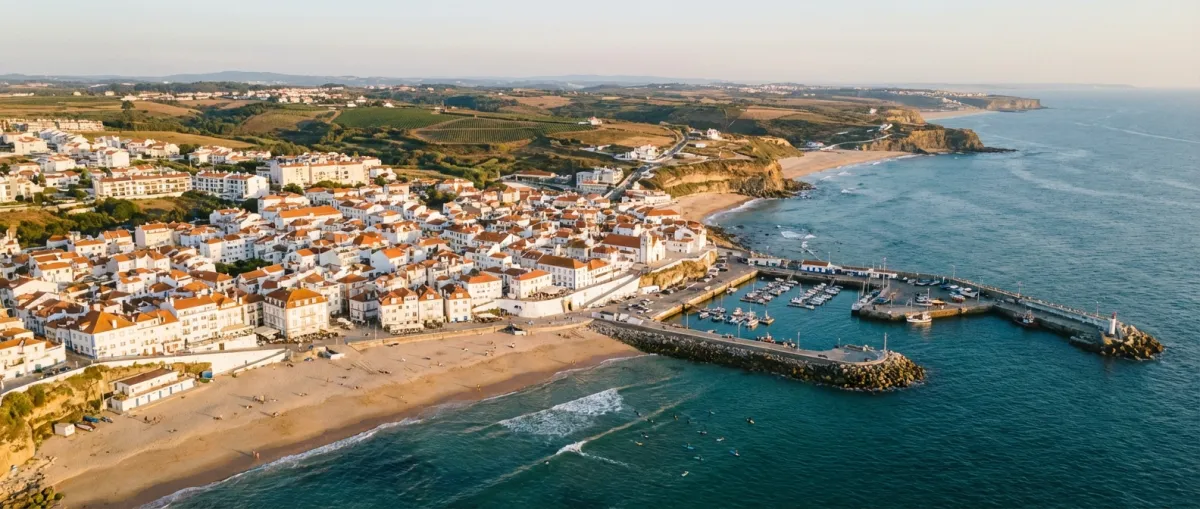
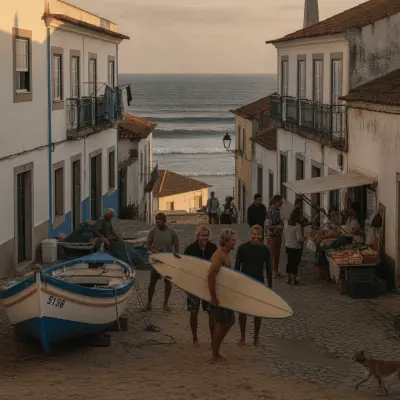
Ericeira is, first and foremost, a fishing village that happens to have some of the best waves in Europe. That order matters. Before the Australian surfers and the digital nomads with laptops in the cafés along Rua Dr. Eduardo Burnay, there were fishing nets drying at the harbour, there was a fish auction, there were sea urchins eaten with bread by the water.
The town beyond the surf
Yes, Ericeira is a World Surfing Reserve, one of only eleven on the planet. Ribeira d'Ilhas, Coxos, São Lourenço: the names circulate in surf magazines and podcasts worldwide. But reducing Ericeira to its waves is like reducing Porto to its wine. It's true, but it's not enough.
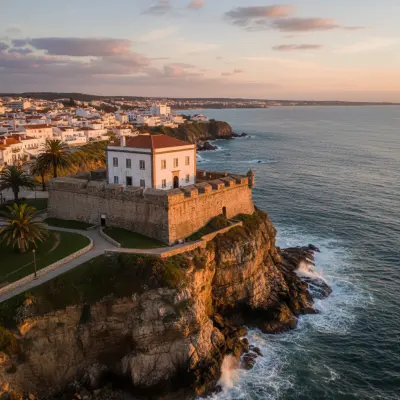
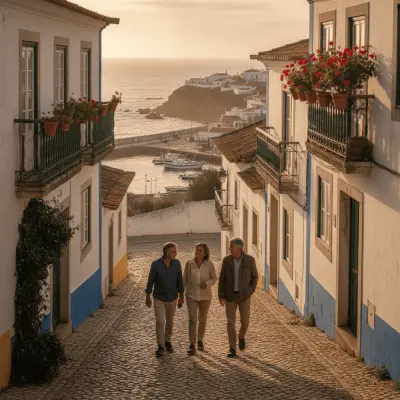
The old centre, pressed between the cliff edge and the narrow streets that drop down to Praia dos Pescadores, keeps a human scale that the Cascais coastline lost decades ago. White walls with blue trim, laundry drying on balconies, the smell of grilled fish from two in the afternoon onwards. It's not scenery, people actually still live here, and you can tell.
What to eat first
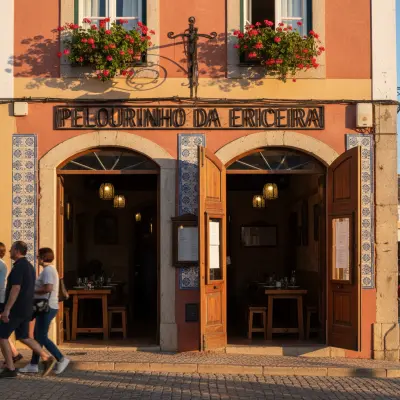
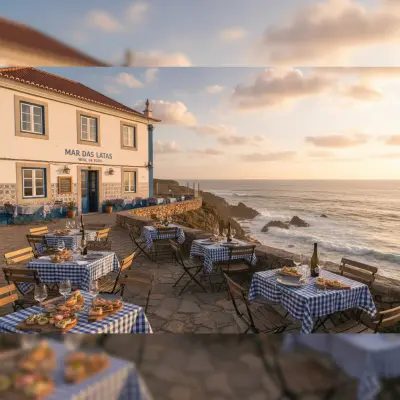
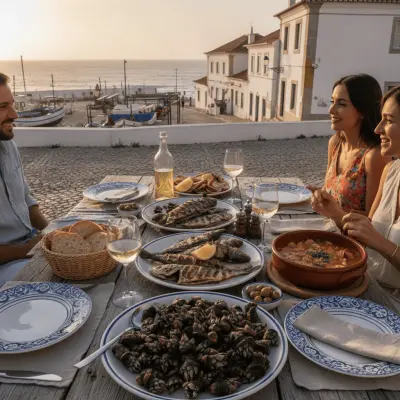
Grilled fish, obviously. But be specific: order the catch of the day at the harbour, ask about sea urchins when they're in season (winter and early spring), and don't skip the chouriço bread from local bakeries. Ericeira has a food scene that grew alongside the international community, Mar das Latas, for instance, pairs natural wines with small plates that work, but the core remains simple, direct, ocean-to-plate cooking.
When to go and how long to stay
Two to three days is the right amount of time. One day for the village and beaches, another to walk or cycle the coastline towards São Lourenço, and a third if you want to surf or simply do nothing with conviction. September and October are the best months: the sea is still approachable, summer prices have dropped, and the village breathes without August's pressure.
On summer weekends, Ericeira fills up with Lisboetas, understandable, since it's less than 40 minutes by car. If you can, go on a weekday. The difference is significant.