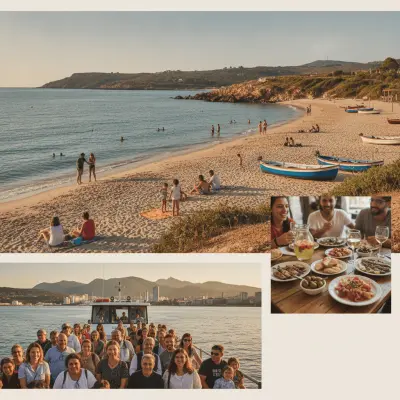
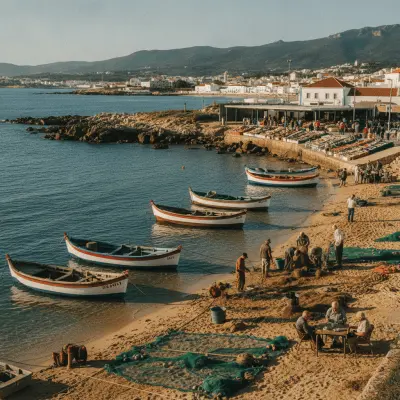
Setúbal is a working city caught between a river and a mountain range, and it doesn't apologise for either. The Sado estuary stretches wide in front, the Arrábida hills close in behind like a green wall, and in between sits a place built on fishing, markets, and people who eat fried cuttlefish for lunch without needing a food blogger's permission.
What makes Setúbal different
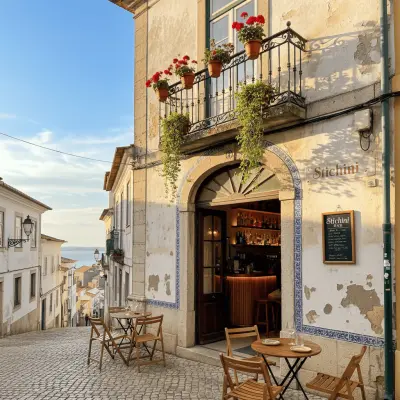
Most visitors blow through Setúbal on their way to the Arrábida beaches, which is a mistake. The city itself has a personality you can feel on Avenida Luísa Todi, at the Mercado do Livramento, widely considered one of Europe's best fish markets, and in the cafés around Praça de Bocage, where the pace is deliberately slow. Setúbal isn't trying to be Lisbon. It's trying to be Setúbal, and it pulls it off.
What to eat first
Choco frito. Always choco frito. Setúbal is Portugal's cuttlefish capital and any decent restaurant in the centre serves it well, thin batter, tender inside, with chips and salad. After that, tinned fish conservas and Moscatel de Setúbal, the local sweet wine that pairs well with an unhurried afternoon. At the Mercado do Livramento, go early in the morning for the fresh fish counters and grab something at the market bar.
The hills and the beaches
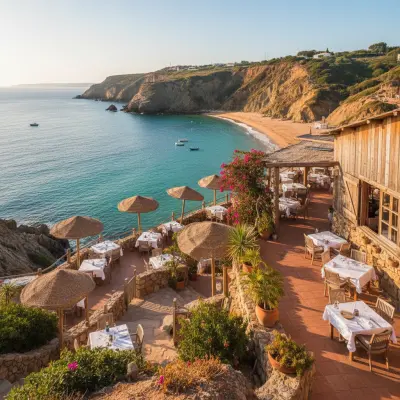
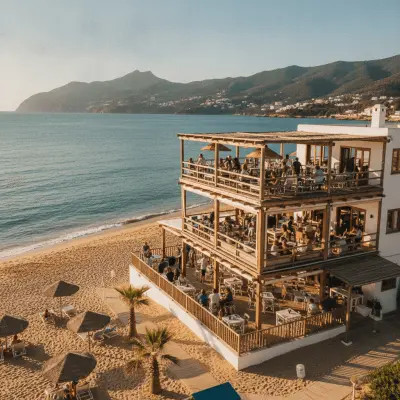
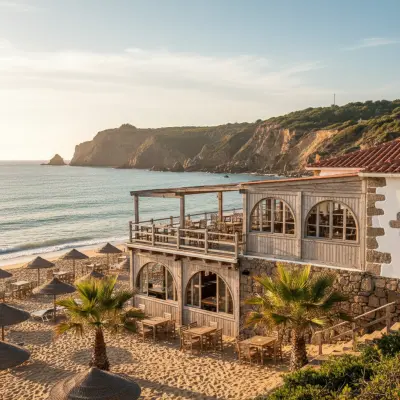
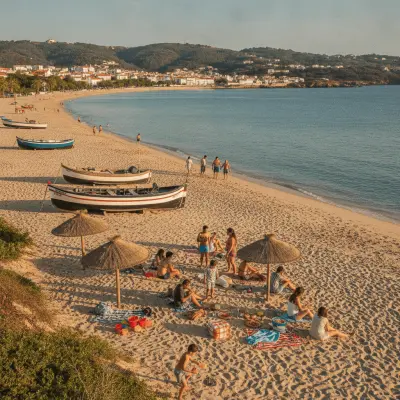
The Arrábida beaches, Figueirinha, Galapinhos, Creiro, are among the best in Portugal, with water so clear it doesn't seem possible thirty minutes from Lisbon. In summer, car access is restricted, so arrive early or take the shuttle buses. Off-season, between September and October, the water is still warm and the hills are nearly empty. The Arrábida Natural Park has well-marked trails with views that earn every step.
How long to stay
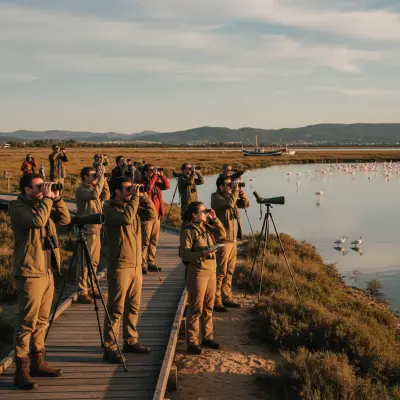
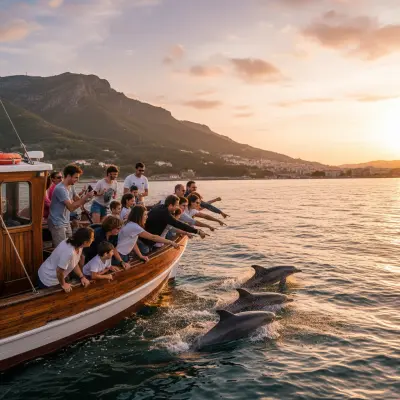
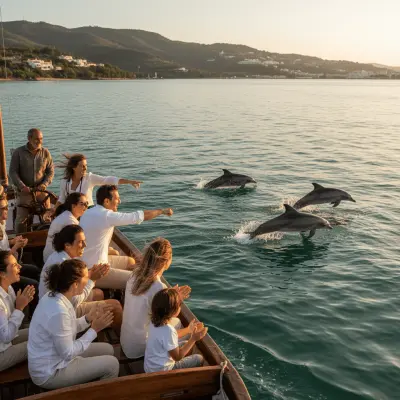
Two days is the honest minimum: one for the city, the market, and the food; another for the hills and beaches. With more time, you can take the ferry across the Sado to Tróia, where a white sand peninsula and the Roman ruins of Cetóbriga add another dimension. From Setúbal, boats also run dolphin-watching trips in the Sado estuary, home to one of Europe's few resident bottlenose dolphin populations.
The best time to visit is May through October, but September is the sweet spot: fewer people, golden light, water still warm. Setúbal works as a base for the entire Arrábida coast without Lisbon's prices or crowds.