Birdwatching in the Sado Estuary, Setúbal: What to Expect
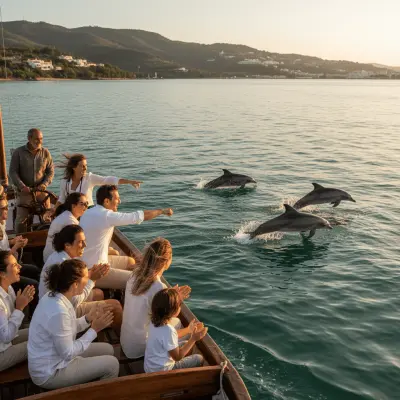
Forget the noisy tourist boats. In the Sado Estuary, the real magic happens at the Mourisca mudflats, where thousands of flamingos and spoonbills dictate the rhythm of the tide.
Forget the dolphins for a second: the real heart of the Sado is in the mudflats
Everyone arriving in Setúbal wants to see the resident bottlenose dolphins. It is understandable. But if you truly want to feel the pulse of this estuary without the roar of large tourist boat engines, you have to look down at the banks, where the water becomes so shallow that only experts can navigate. Birdwatching in the Sado Estuary is not just a hobby for binocular-clad enthusiasts; it is the rawest and most honest way to understand how this region breathes. And to do it right, there is one place you must start: the Mourisca Tide Mill (Moinho de Maré da Mourisca).
Step away from the city center, where the Local Culture in Setúbal: Traditions, Food and the City's Soul is expressed in the organized chaos of the Mercado do Livramento. About 15 minutes away by car, the landscape shifts. Concrete gives way to marshes, inlets, and a 17th-century structure that stands as a reminder that, once, the moon dictated the rhythm of work. This is where MiraSado operates, a local provider that avoids cookie-cutter tours. They work, quite literally, at the mercy of the tides.
MiraSado: Where the tide dictates the rules
My recommendation is straightforward: skip the quick one-hour loops. If you are coming all this way, book the "Sado Birds" tour, which lasts about three hours. The captain and guide, often Carlos Migues himself, knows these channels like the back of his hand. The boat is small, holding about 13 people, which makes all the difference. There are no loudspeakers blaring scripted facts. There is silence, interrupted only by the outboard motor which is frequently cut so you can drift with the current.
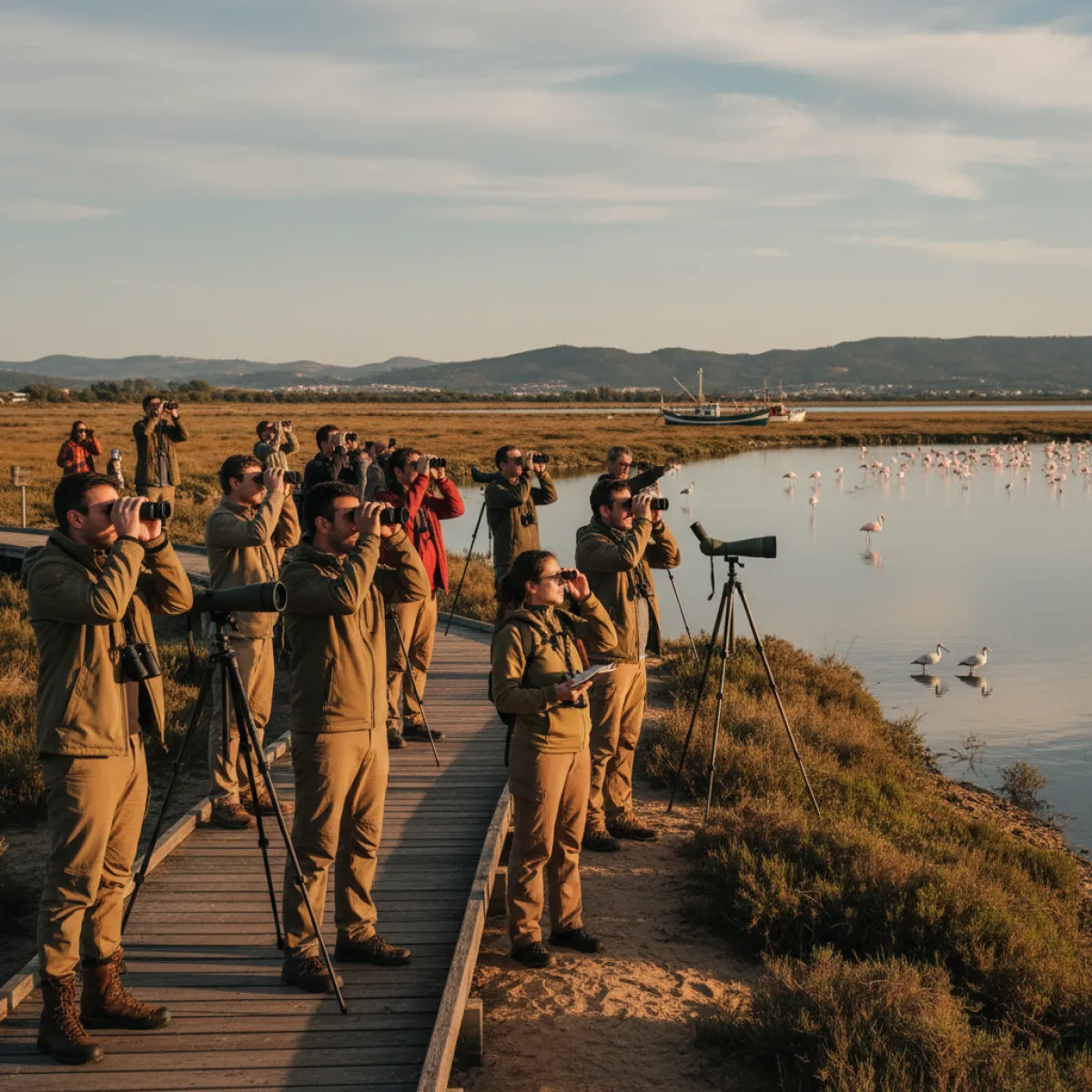
What makes this experience special is its unpredictability. Unlike a zoo, nothing here is guaranteed, but in the Sado, the chance of leaving disappointed is near zero. Depending on the time of year, flamingos are the stars. Thousands of them. But don't expect the neon pink of National Geographic documentaries; our flamingos are a more subtle pastel, almost white, only revealing their vibrant pink underwings when they take flight. It is a sight that never gets old, especially seeing them filter the mud with that clumsy elegance.
A journey through the marshes and inlets
The tour begins with a brief introduction at the Mourisca Tide Mill. It is worth arriving 30 minutes early to explore the mill's interior and see the massive stones that once ground cereal using the power of water trapped in the reservoir. Then, you board the boat. The route takes you through the Carrasqueira inlet and areas where sandbanks and mudflats appear and disappear in a matter of hours.
For those who love the details, prepare to see Eurasian Spoonbills with their bizarre spatulate bills, Grey Herons standing like statues, and if you are lucky, the Osprey, which uses the estuary as a prime hunting ground. The guide pauses frequently, pointing out species in both Portuguese and English, while sharing stories about salt production and bait harvesting—activities that define Setúbal: Fried Cuttlefish and the Raw Truth of the Sado.
The highlight is when the boat approaches a mudflat where hundreds of birds are resting, with the engine off. Silence allows for this proximity. You can hear the water lapping, the beating of wings, and the calls of the birds. It is a way of being in nature that you won't find at the crowded Praia da Figueirinha, where the focus is entirely different.
Insider Tips from the Field
- The Right Clothing: Even on a sunny day, the wind on the estuary is sharp. Bring a windbreaker and a hat that won't easily blow away.
- Gear: MiraSado usually provides binoculars, but if you have your own, bring them. The experience of seeing the intricate details of a heron's feathers from 50 meters away is what makes the trip worth it.
- Tides: This is the most critical point. Don't just pick a random time. Contact the operator and ask for the best tide for birdwatching on that specific day. Generally, the falling tide or the beginning of the rising tide are best, as birds concentrate on the exposed mudflats to feed.
- After the Tour: Don't rush off. The café at the Mourisca Mill serves great regional products. Grab a coffee and a "queijada" (traditional pastry) and sit on the terrace overlooking the marsh. If you want to keep your trip authentic but affordable, check our tips in Setúbal on a Budget: Fried Cuttlefish and Arrábida Secrets.
Practical Information
The provider is MiraSado. Bookings are mandatory, preferably by phone (+351 910 723 964) or via their official website mirasado.com. The meeting point is always at the Mourisca Tide Mill (Herdade da Mourisca). Prices for the comprehensive 3-hour birdwatching tour are around €35 to €40 per adult, with shorter options starting at €20.
Getting there by public transport is tricky. Your best bet is to drive or take a taxi/Uber from Setúbal city center. It is a short trip that transports you to a world entirely removed from the bustle of the fishing port.