Escaping the Heat: A Shaded Summer in Lisbon
At 38 degrees in the Baixa, Lisboners vanish: they know where the shade, the breeze and the air conditioning are. From the coolest garden in the city to counter-top bifanas, this is how to survive August without melting.
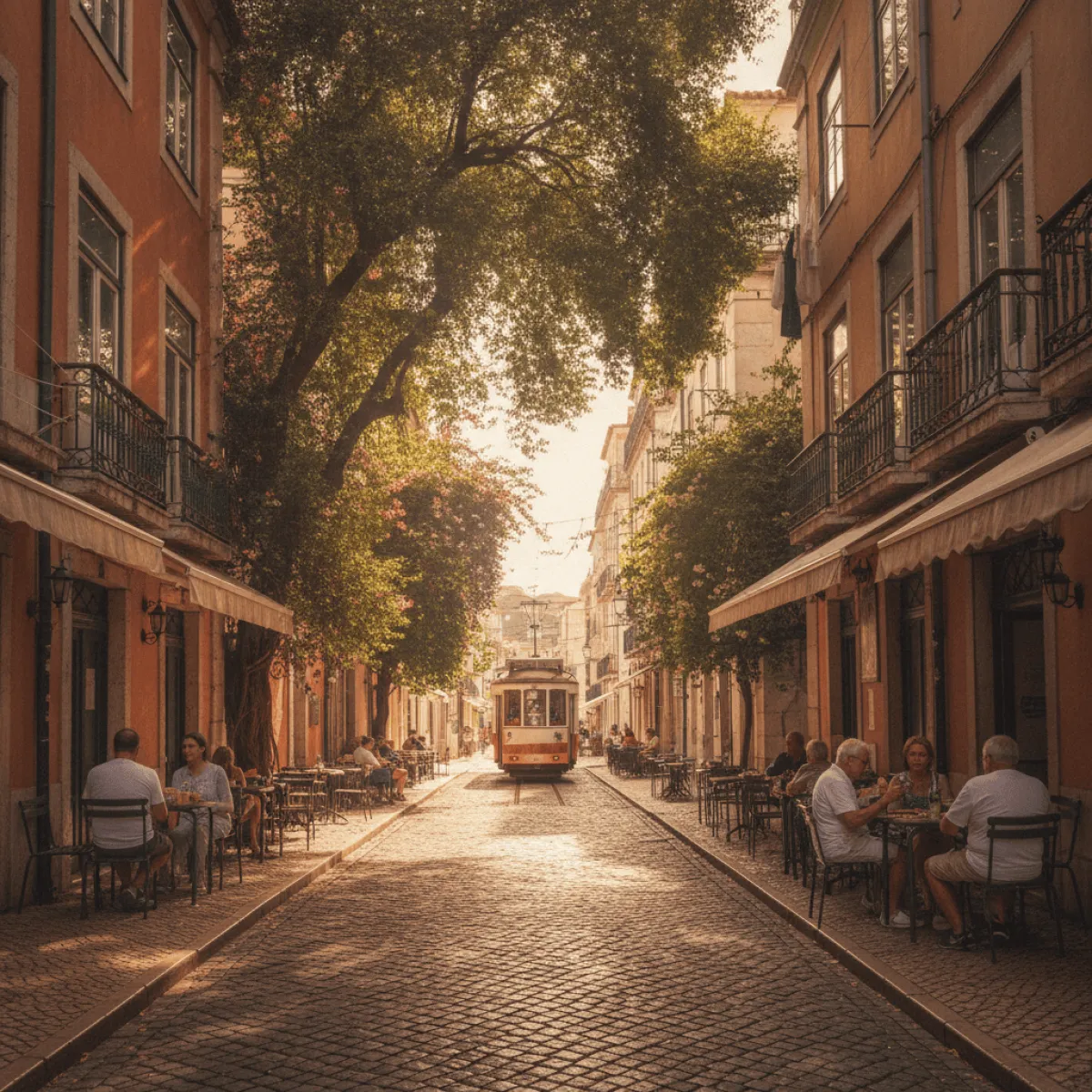
There is a moment, somewhere in July, when Lisbon stops being beautiful and turns cruel. It is three in the afternoon, the thermometer outside the corner pharmacy reads 38 degrees, and the cobbled calçada throws the heat back at you like a hot skillet. Tourists drag themselves down Rua Augusta, red-faced, hunting for a shade that does not exist. This is the hour when Lisboners do what they have always done: they vanish. They know where to go. And after a few summers in this city, so do I.
This is not a guide about what to see in Lisbon. It is a guide about how to survive Lisbon in August without melting. About where to find cool air, when to leave the house, and what time to pretend the siesta is still a national institution. Because the truth is simple: anyone walking in the sun between two and five in the afternoon during a Lisbon summer is either a tourist or punishing themselves.
The golden rule: move with the shade
The first thing to understand is that Lisbon has a summer rhythm, and it is not negotiable. Early morning and late afternoon are for the street. The middle of the day is for indoors. Follow this simple rule and the city opens up to you; ignore it and you will spend your holiday with a headache and a melted ice cream running down your wrist.
Start your day at eight in the morning, when the air still has that brief lightness before the sun takes over everything. It is the right hour to climb one of the viewpoints, before the tour buses unload their crowds. The Miradouro da Senhora do Monte, the highest point in the city, is my pick for this hour. It sits off the usual circuit, which means at eight in the morning you can have that view of the castle, the river and the white rooftops almost to yourself. Bring a coffee in a paper cup and sit on the low wall. By noon it will be unbearable; at eight, it is perfect.
Museums: air-conditioned refuge with a cultural alibi
Here is the secret nobody tells you: museums are the best way to spend the hottest hours. Not because you are a cultured, disciplined tourist, but because they have air conditioning, clean bathrooms and chairs. They are the most civilised climate refuge the city offers, and they happen to have art inside them too.
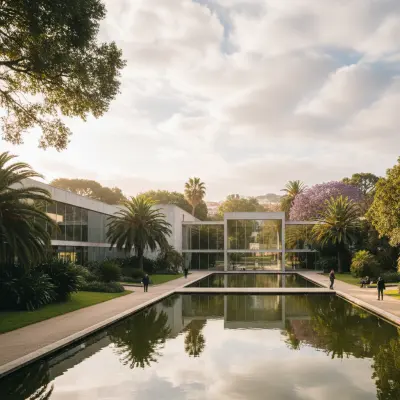
My favourite for furnace afternoons is the Museu Calouste Gulbenkian. And it is not just the cool galleries or the collection, which is among the best in Europe and never crowded. It is the garden. The Gulbenkian garden is possibly the coolest place in Lisbon in August: ponds, dense shade from tall trees, its own microclimate where the temperature drops several degrees the moment you walk in. Do the collection slowly, then step out into the garden, sit by the water and let the afternoon pass. Few tourists find it, which is exactly why it works.
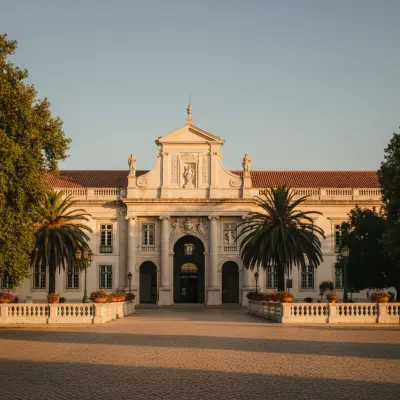
If you want something more intimate, the Museu Nacional de Arte Antiga, over in Santos, has a double advantage: the galleries are cool and the café has a garden terrace facing the Tagus. It is the best place in the city for an iced tea with a river view without the crowds of the Ribeira. Go up late in the morning, see the panels of Saint Vincent and the Bosch triptych, then settle onto the terrace. Check the hours locally, because they often shift in summer.
Where to eat without cooking from the inside
Eating in the heat is an art. The temptation is to eat nothing, which is a mistake, because then you faint. The Lisbon solution is to eat well but fast, standing at the counter, with a cold drink in hand.
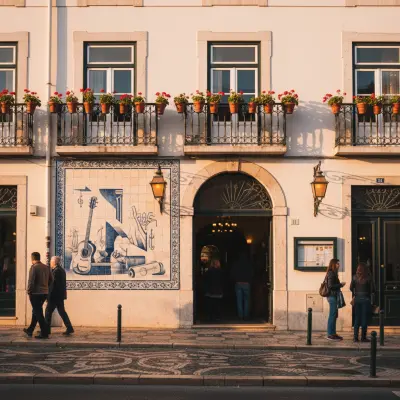
For a quick, precise lunch, go to As Bifanas do Afonso, in the Baixa. A bifana in soft bread, with that sauce dripping down your fingers, and a well-poured imperial beer. Eat standing at the counter, in five minutes, and be on your way. It is honest food, cheap and made for the heat: nothing heavy, nothing complicated. Ignore the queue, it moves fast.
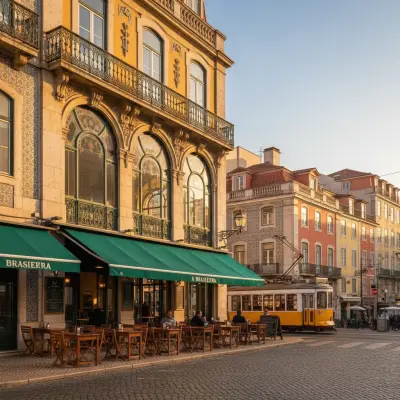
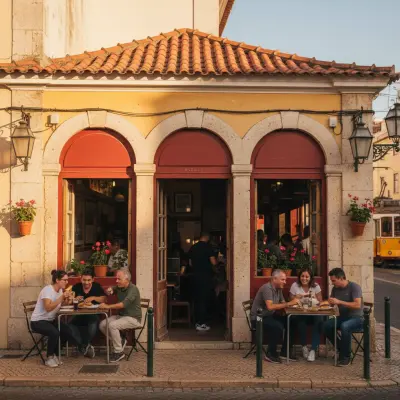
For breakfast or that afternoon pause, resist the obvious temptation and think twice before you sit down at A Brasileira, in Chiado. Yes, it is an institution, yes, there is the Pessoa statue out front with its queue of selfies. The sunny terrace is a tourist trap with prices to match. But the trick is to go inside, sit in the old room with the mirrors and dark wood, order a coffee and a pastel de nata, and enjoy the cool. Inside, A Brasileira is still the Lisbon of 1905. Outside, it is the Instagram of 2026. Choose the inside.
Two wheels and a breeze: the river trick
If there is one thing that changes everything in a Lisbon summer, it is the river wind. The waterfront, from Cais do Sodré to Belém, is several degrees cooler than the labyrinthine interior of Alfama, and there is always a breeze coming up the Tagus in the late afternoon. The best way to use it is on two wheels.
The riverside cycle path is flat, wide and intermittently shaded, and riding it at the end of the day is one of the best things you can do in Lisbon in summer. If you want to do this without the effort of pedalling, there is the lazy, brilliant solution: the downhill route from the top of the city down to the river, which takes you past the high points and then coasts, mostly with gravity on your side, all the way to Belém. No sweat, no suffering, with the breeze doing the work. For those who prefer to stay by the water the whole time, the riverside tour with Bike a Wish hugs the Tagus, where the temperature is always milder. Do either of them after six in the afternoon, when the sun drops and the light turns golden.
Late afternoon: when the city comes back to life
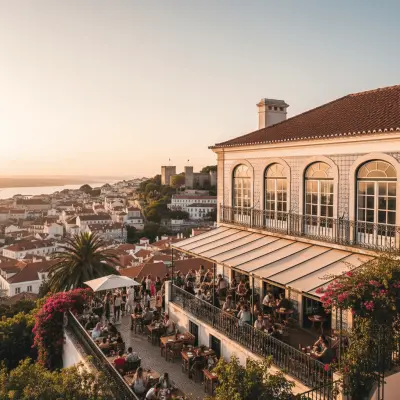
Around seven, Lisbon wakes up again. The heat eases, the terraces fill, and there is that magic moment when everyone spills out onto the street at once. It is the hour to return to the viewpoints, now with a beer, and watch the sun set over the river.
And it is also the hour of the night. If you want to truly understand Lisbon, and not just flee its heat, a night of fado in an authentic place does the job. O Faia, in the Bairro Alto, is a serious fado house, with heavyweight singers and a kitchen that keeps up. It is not cheap and not an everyday thing, but on a summer night, with the windows open and a voice filling the room, you understand why this city has the music it has. Book ahead and confirm the show times.
For anyone who wants to go deeper into the city's rituals and neighbourhoods, it is worth reading our guide to Lisbon's local culture first, which explains the customs, the traditions and how the neighbourhoods really work: information that makes all the difference when you want to live the city like a local rather than rush through it as a visitor.
The radical escape: leave the city
Sometimes the only way to escape Lisbon's heat is to not be in Lisbon. And here nature was generous: half an hour by train there are places several degrees cooler.
Sintra is the classic, and for good reason. The hills create their own microclimate, humid and green, often misty in the morning while Lisbon is already boiling. It is the meteorological opposite of the city, less than an hour by train from Rossio. The palaces fill up, that is true, but the town and its corners deserve time. Before you go, read our Sintra neighbourhood guide so you do not just join the usual queue at the door of the Pena. The trick with Sintra is to go early, very early, and leave before two, when the buses arrive en masse.
And if you want to combine your escape from the heat with another thing Lisbon does better than almost anyone, sweets, consider a detour to Mafra. The convent tradition left a legacy of pastries still made today, and our guide to Mafra's traditional sweets shows you where to find them. It is the perfect excuse for a day away from the capital's oven, with frequent and sugary stops along the way.
The schedule of a well-managed day
If I had to sum all this up in a timetable, it would look roughly like this. It is the schedule Lisboners follow without even thinking, and it is what makes the difference between enjoying the summer and merely surviving it.
- 8am: Coffee and a viewpoint, with the city still waking up. Senhora do Monte to begin.
- 10am to 1pm: A walk in the shade or the first cultural visit, before the worst of the heat.
- 1pm: A quick, light lunch, preferably standing at the counter.
- 2pm to 5pm: The sacred hour of the heat escape. An air-conditioned museum, the Gulbenkian garden, or simply a nap. Do not fight the sun; you will not win.
- 5pm to 7pm: A bike ride by the river, catching the Tagus breeze.
- 7pm onward: Terraces, viewpoints at sunset, a long dinner and, if the night calls for it, fado.
Lisbon in summer is not for the faint of heart, but it is also not for those who let the thermometer defeat them. The city has enough shade for those who know where to look, enough breeze for those who get close to the river, and enough cool in its gardens and museums for those who understand that at two in the afternoon in August the best place in the world is a room with air conditioning and a sixteenth-century painting on the wall. The secret, in the end, is to stop fighting the heat and learn to dance with it. Lisboners have been doing it for centuries. You will learn in a day.