
Museums
€€
Museu Nacional de Arte Antiga
Lisbon
The Calouste Gulbenkian Museum, one of the world's most significant private art collections, is under renovation until July 2026. Discover why this sanctuary of art and nature is an essential Lisbon stop and how to plan your visit for its grand reopening.
In the beating heart of Lisbon’s Avenidas Novas, far from the tourist throngs of the Baixa, lies an institution that is less a museum and more a testament, the Calouste Gulbenkian Museum. It's a place where art doesn't shout for your attention, but whispers stories across millennia. Before you pencil in a visit, however, there's a crucial detail: the museum is temporarily closed for an ambitious renovation, scheduled to reopen in July 2026. This hiatus isn't a cause for disappointment, but rather a moment to anticipate the rediscovery of one of the world's most extraordinary private art collections.
Forget the notion of a quick visit between coffees. A trip to the Gulbenkian is an immersion, demanding time and a certain surrender. The collection, amassed over a lifetime by the oil magnate Calouste Gulbenkian, reflects an impeccable, pan-historical taste. This is not a museum of Portuguese art, nor even strictly European; it is a world map of artistic excellence. The Founder’s Collection circuit takes you from Ancient Egypt, with funerary masks staring out from eternity and a rare Assyrian bas-relief, to the Greco-Roman world, culminating in a collection of Greek coins that narrate tales of lost empires. It's an essential stop for anyone hoping to truly understand the local culture in Lisbon and its place in the wider world.
Where the Gulbenkian truly asserts its brilliance is in its intimate curation. Each room is a new chapter. One moment you are contemplating Rembrandt’s “Pallas Athena,” feeling the weight of wisdom and war in her gaze, the next you are lost in the intricate weave of a 16th-century Persian carpet. The decorative arts are a particular high point. The collection of René Lalique’s jewelry and glasswork, vast and dream-like, captures the Art Nouveau essence with an almost painful beauty. It is the kind of place that can recalibrate your entire perception of what an art collection can be.
Unlike many museums that focus on a single period, the journey here is seamless and captivating. You move from the transcendent delicacy of Ming Dynasty Chinese porcelain to the European mastery of Rubens and Turner, without ever sensing a dip in quality. The collection of Islamic and Far Eastern art is particularly strong, offering a window into aesthetics and worlds that rarely share the same roof with French Impressionists like Monet and Degas.
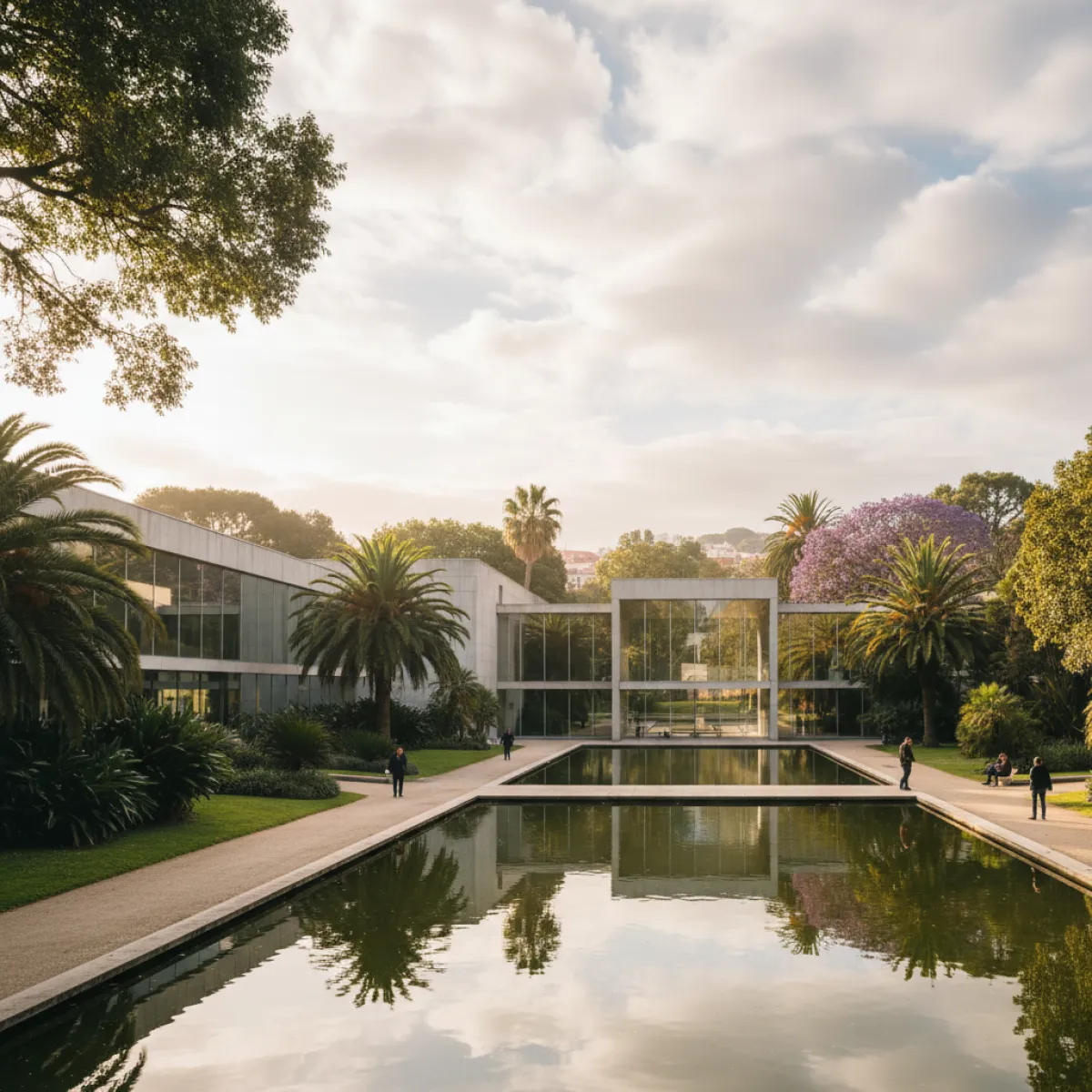
What elevates the Gulbenkian experience from excellent to sublime is its setting. The 1960s modernist building is a work of art in itself, designed to merge with nature. Grand glass walls open onto the Gulbenkian Garden, one of Lisbon’s most beloved green spaces. After saturating yourself with art, the garden offers the perfect counterpoint. Find a bench by the lake, watch the ducks, and let the immensity of what you’ve just seen settle. It's this balance of intellectual stimulation and quiet contemplation that makes it one of the top 10 things to do in Lisbon you simply cannot miss.
The garden also serves as a cultural hub in its own right, with an open-air amphitheater that hosts concerts and events during the warmer months. Even with the main museum under wraps, it's worth checking the website for programming at the Modern Art Centre and in the gardens.
When the museum reopens, be prepared. Its location in the Avenidas Novas neighborhood is easily reached via the São Sebastião (Blue and Red lines) or Praça de Espanha (Blue line) metro stops. It’s a more residential and business-oriented area, offering a glimpse into a different, calmer Lisbon.
The Gulbenkian’s temporary closure is a reminder of its value. Institutions like this aren't static; they evolve, they improve, and they prepare for the future. When it reopens its doors in 2026, it won’t just be unveiling a refreshed space; it will be reasserting its place as a quiet, powerful sanctuary of human creativity, a place you don't just visit, but commune with. The wait, you will find, is more than worth it.