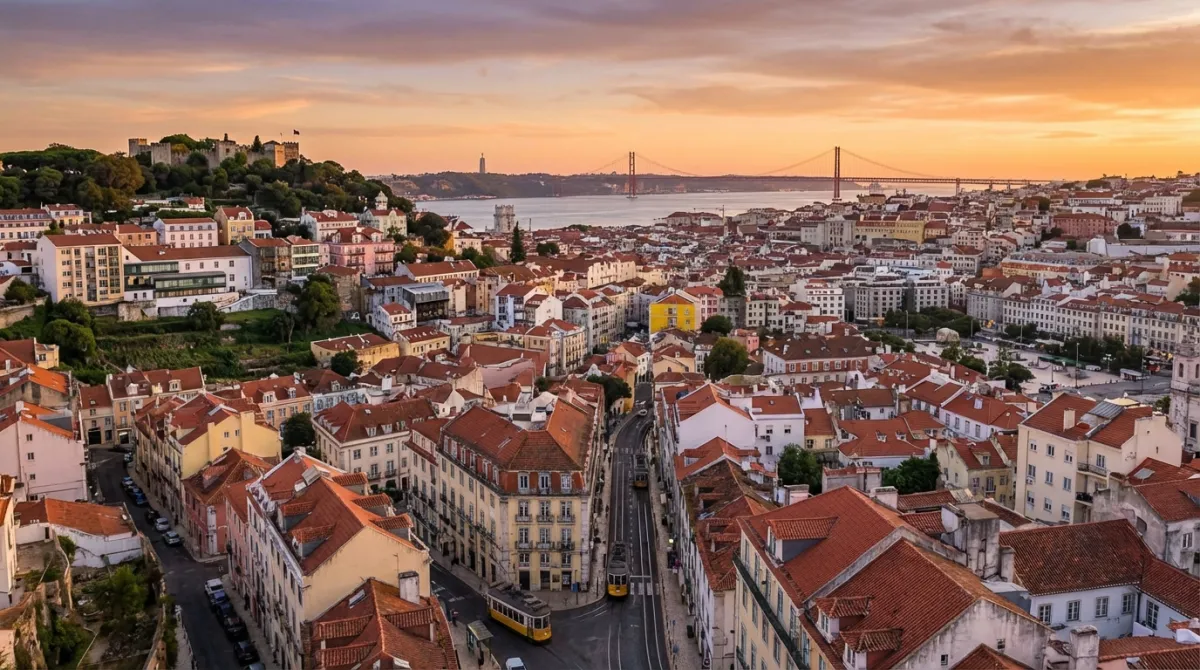
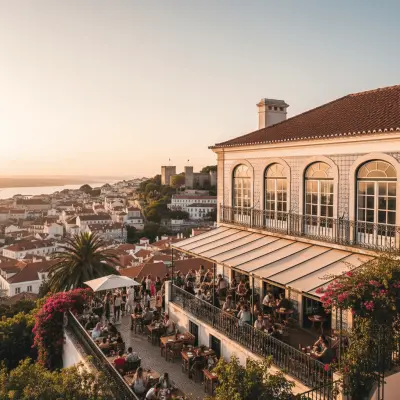
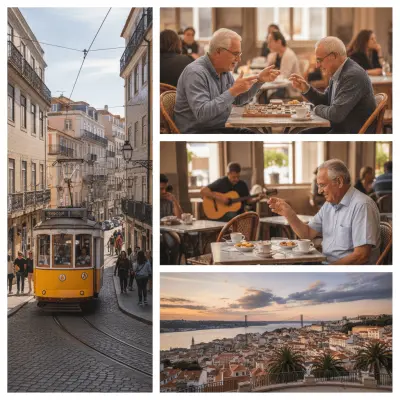
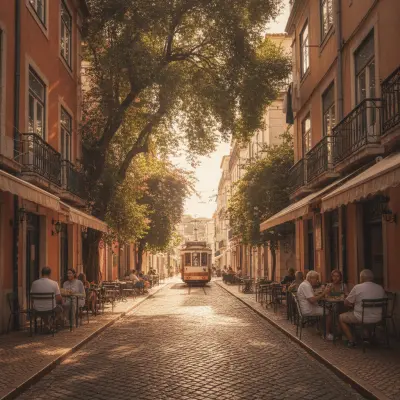
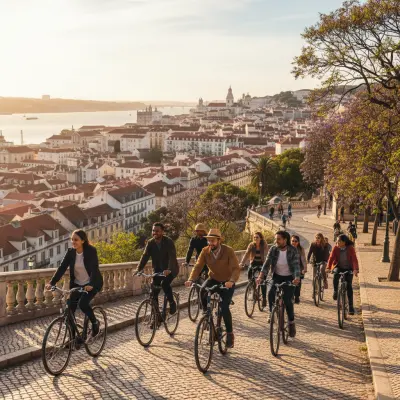
Lisbon is a city you understand on foot. There are no shortcuts, seven hills, all of them mandatory. The number 28 tram is permanently full, but walking up Calçada do Combro to Bairro Alto rewards you with viewpoints that cost nothing and where the Tagus always looks bigger than you expected.
Where to start
With only two days, stay between Baixa and Alfama. Rua Augusta is unavoidable, but leave it quickly, turn onto Rua dos Fanqueiros and head uphill toward Castelo de São Jorge. On the way, stop at one of the kiosks at Largo da Graça. Coffee is cheap, the view is free, and there's no queue.
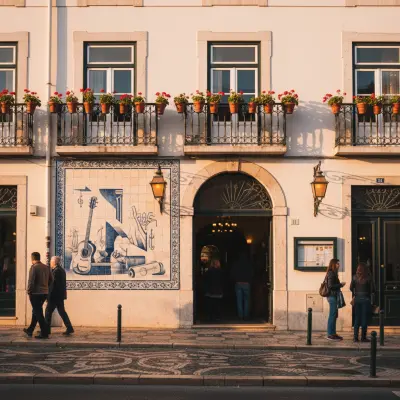
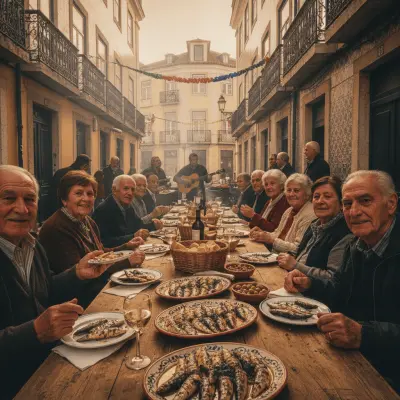
For food, skip the laminated-menu tascas near the Sé cathedral. The Cais do Sodré area has changed dramatically in recent years: the Mercado da Ribeira (Time Out Market) is the obvious stop, but Rua das Flores and the alleys around it have restaurants still making bacalhau à Brás with real conviction. In the Mouraria neighbourhood, the range, from traditional tascas to Mozambican cooking, tells the city's actual story better than any museum could.
Fado, and then some
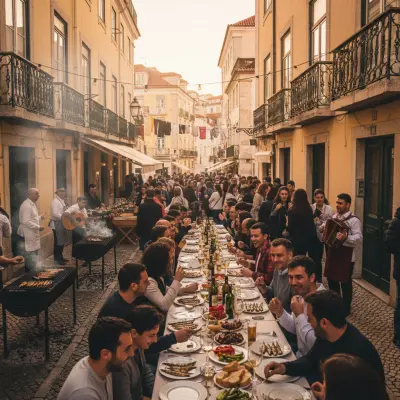
Fado is unavoidable, and houses like O Faia on Rua da Barroca do it with seriousness. But Lisbon after 10pm offers much more: Pensão Amor in Cais do Sodré, the bars along Rua Nova do Carvalho (the famous Pink Street), and in summer the rooftop terraces that open across the city. Lisbon's nightlife starts late and ends later.
When to go and how long to stay
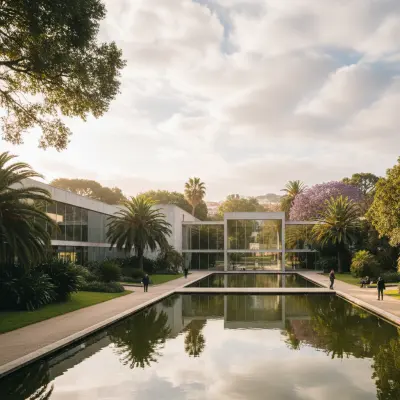
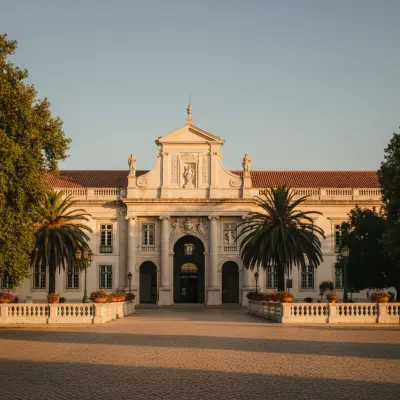
Avoid July and August if you can, temperatures push past 35°C and prices rise accordingly. March through May and September through October are ideal: beautiful light, temperatures between 18 and 25 degrees, and fewer crowds at museums. The Museu Nacional de Arte Antiga in Santos and the Calouste Gulbenkian Foundation near Parque Eduardo VII each deserve a full morning.
Three days is the minimum to avoid rushing. Four or five let you include Belém properly, the Tower, the Jerónimos Monastery, and yes, the original pastéis de nata at the Fábrica on Rua de Belém. The queue moves fast. It's worth it.