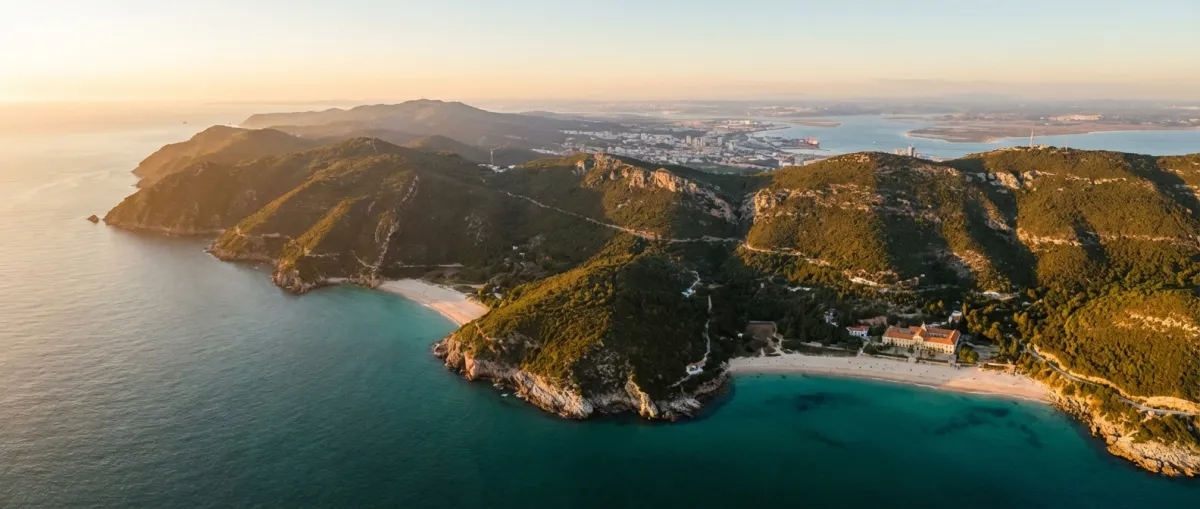
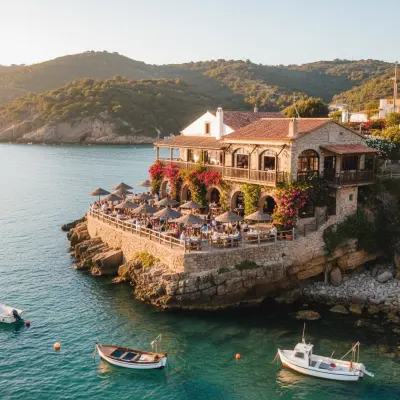
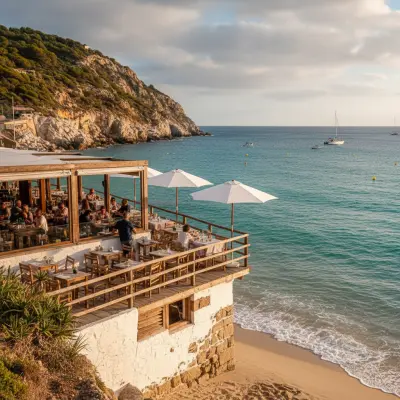
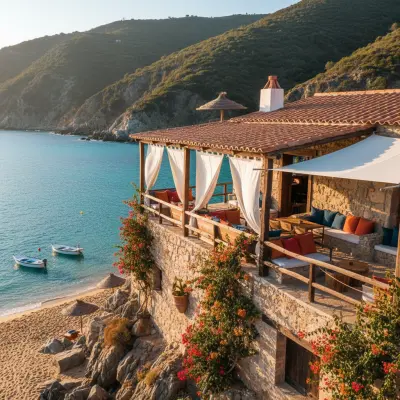
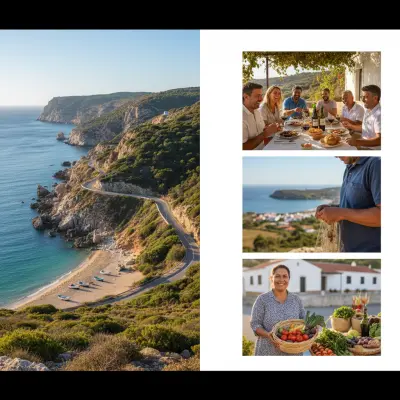
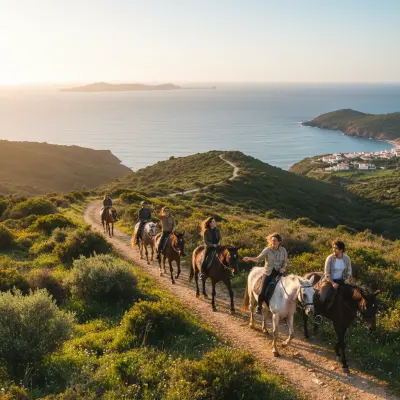
The Serra da Arrábida drops straight into the Atlantic and creates something unusual on the Portuguese coast: clear-water beaches sheltered by limestone cliffs thick with Mediterranean scrub. It's not the Algarve, it's not tropical, it's a raw stretch of coast where the mountain meets the sea without ceremony, and the water changes colour with every shift in light.
Before you go: what you need to know
Between June and September, the road down to Portinho da Arrábida closes to private vehicles. Access is by shuttle or on foot, and the beaches fill up early. If you can, come in May or the first half of October, the water is already (or still) bearable, and the hills are yours alone. One full day covers the beaches; two days let you hike up to the Convento da Arrábida and explore Azeitão properly.
The mountain above, the sea below
Figueirinha is the most accessible beach, decent parking, a beach bar, a gentle slope into the water. Creiro, just next door, draws fewer people and has more rock pools. Portinho da Arrábida is the postcard shot: a sheltered bay with water that seems impossible at this latitude. Bring a snorkelling mask, visibility near the rocks is among the best in the country, thanks to the protection of the Parque Marinho Professor Luiz Saldanha.
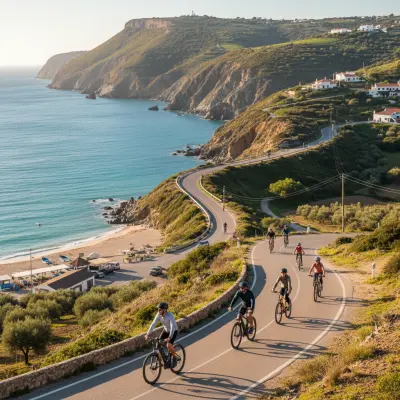
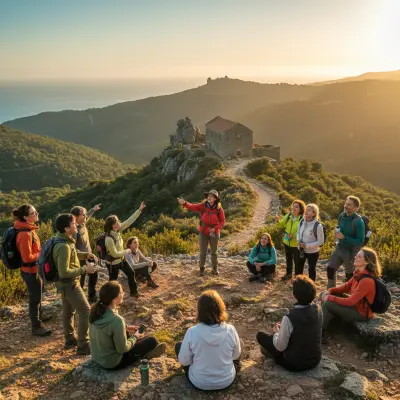
Above the beaches, the panoramic road through the serra offers lookout points that need no Instagram filters. The Convento da Arrábida, founded in 1542, clings to the hillside as if trying to disappear among the trees, a place of genuine silence, where Franciscan friars once lived in cells carved from the rock.
Azeitão: eat before or after the beach
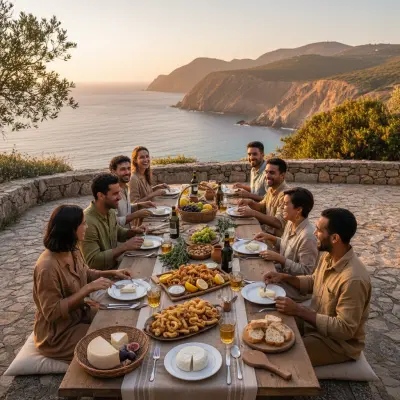
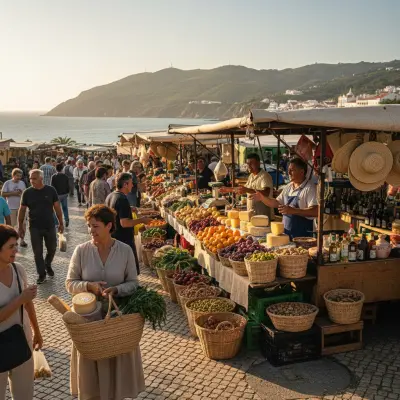
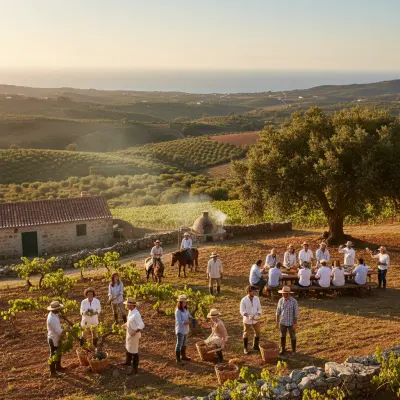
It makes no sense to visit Arrábida without stopping in Azeitão, a few minutes up the hill. Tortas de Azeitão, thin rolls of puff pastry filled with egg cream, are the essential sweet, and the difference between a good one and a great one is obvious. Try Queijo de Azeitão, a creamy, pungent sheep's cheese, with bread and a glass of Moscatel de Setúbal. The José Maria da Fonseca estate, one of Portugal's oldest working wineries, runs visits and tastings that explain why this region's Moscatel has a reputation of its own.
Arrábida doesn't need days to get to know. It needs to be visited at the right time, without rushing, with an appetite and a willingness to swim in cold water.