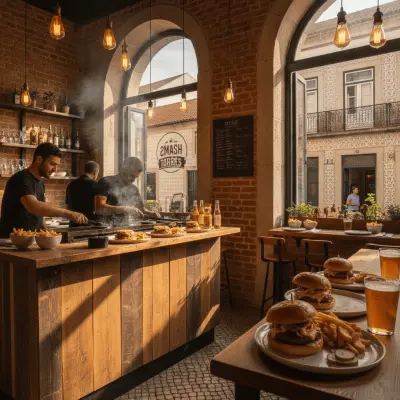
Eat
€
SMASH Burger
Torres Vedras
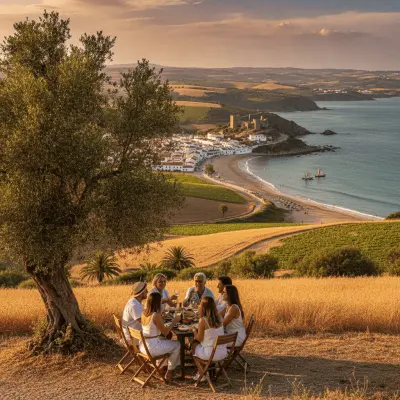
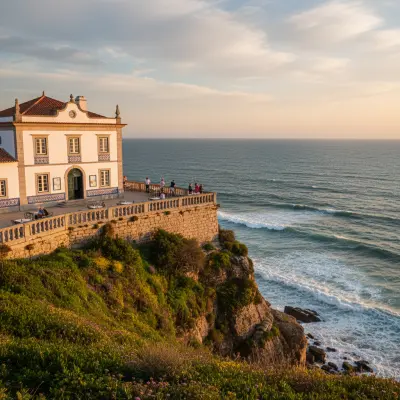
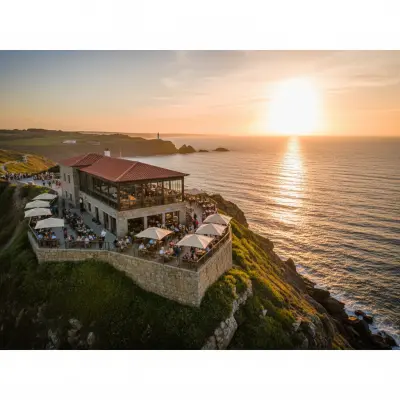
While Lisbon bakes at 38 degrees, the Torres Vedras coast lives under a northerly wind that rarely climbs past 26. Cool viewpoints, kayaking on the Sizandro and grilled fish forty minutes from the capital: the perfect July heat escape.
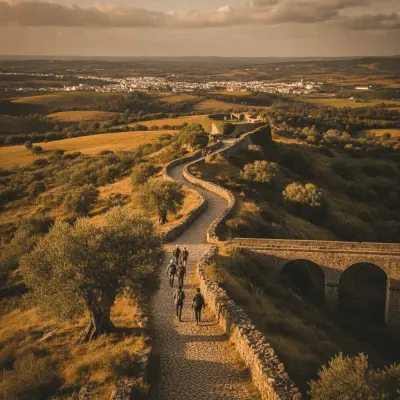
In 1810, Napoleon's army reached the hills north of Torres Vedras and simply could not get through. Today you can walk the forts that saved Lisbon, starting with the imposing Forte de São Vicente.

Forget the tourist traps. In Torres Vedras, history smells of wine and freshly baked bean tarts, set against the backdrop of the fortifications that stopped Napoleon and streets where Carnival is a satirical religion.
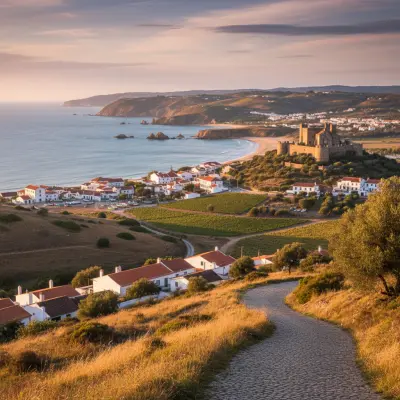
Torres Vedras is the rugged, salt-sprayed antidote to over-touristed Portugal. From the chaotic charm of its historic center to the dramatic cliffs of Santa Cruz, this guide reveals where to stay in a city that values wine, wind, and white-bean tarts over postcard perfection.
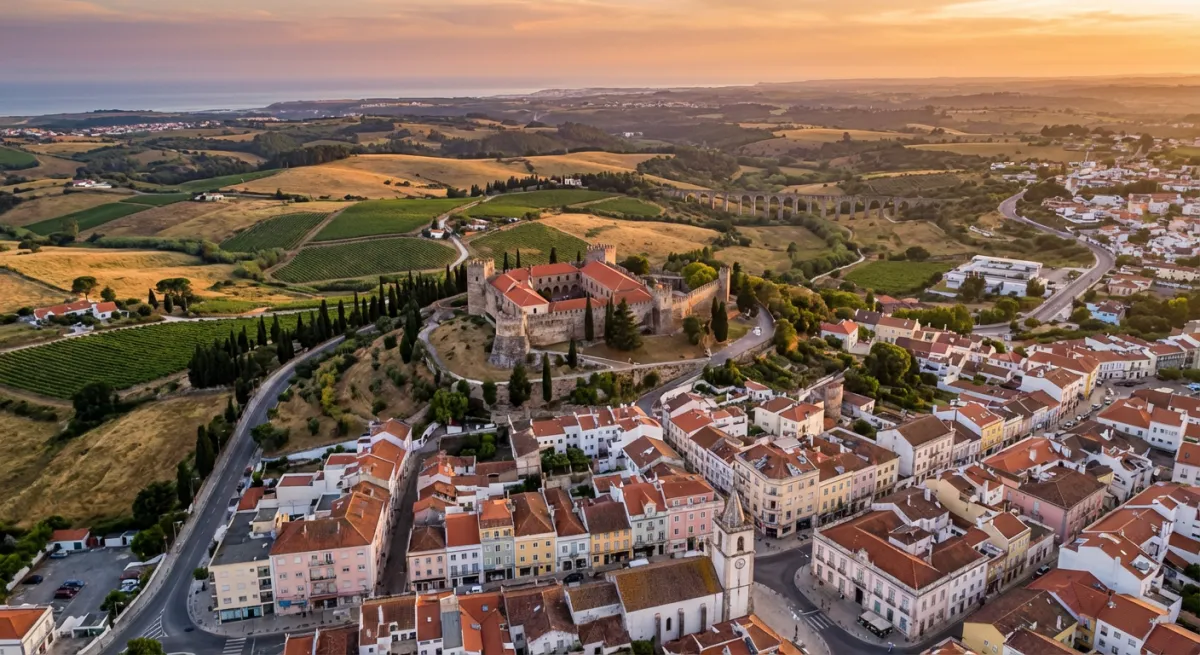
Torres Vedras is the kind of town most Lisbon visitors drive past without a second thought, which, frankly, works in your favor if you stop. Less than an hour from the capital, it has its own gravity: a medieval castle that housed Portuguese kings, a Carnival tradition documented since 1574, and a local pastry, the pastel de feijão, invented here in the 1800s by a resident named Joaquina Rodrigues and still baked the same way.
The Castelo de Torres Vedras is free to visit and worth the climb. From the top, the view stretches over the town and the agricultural plains of the Oeste region. Inside the walls, the Church of Santa Maria do Castelo has Romanesque portals and 17th-century azulejo tiles that reward the effort. Down in town, the Church of São Pedro has a Manueline portal and rare Baroque medallion-shaped tiles, a detail most visitors walk right past.
If one thing puts Torres Vedras on the map of European history, it's the Lines of Torres Vedras. Built between 1809 and 1810 on the Duke of Wellington's orders, this network of 152 forts and over 600 redoubts stopped Napoleon's advance on Lisbon. They're now a National Heritage site, and the Historical Route of the Lines of Torres lets you walk them with proper context. The Leonel Trindade Municipal Museum, housed in the former Convento da Graça, adds depth with archaeological finds and exhibits tied to the Peninsular War.
Don't leave without trying the pastel de feijão, a pastry filled with white bean paste, ground almonds, eggs, and sugar, dusted with powdered sugar. You'll find them in bakeries around the center, and in October the city hosts the Festival do Pastel de Feijão as part of its annual festivities. The municipality is also serious wine country: full-bodied reds and light whites, all produced locally, poured freely at the tasquinhas during the October fairs.
Two days works well: one for the town and the forts, another for Santa Cruz, the municipality's Atlantic beach and a proper surf destination on the Oeste coast. The Carnival of Torres Vedras, with its matrafonas, cabeçudos, and Zés Pereiras, is Portugal's most popular and worth a February trip. Outside festival season, spring and early autumn are best for walking the Lines without the heat.