Go Out
€
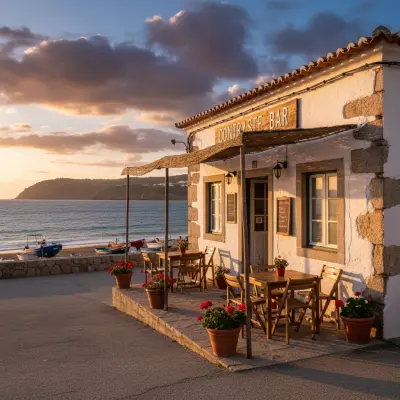
Contraste Bar
Sesimbra
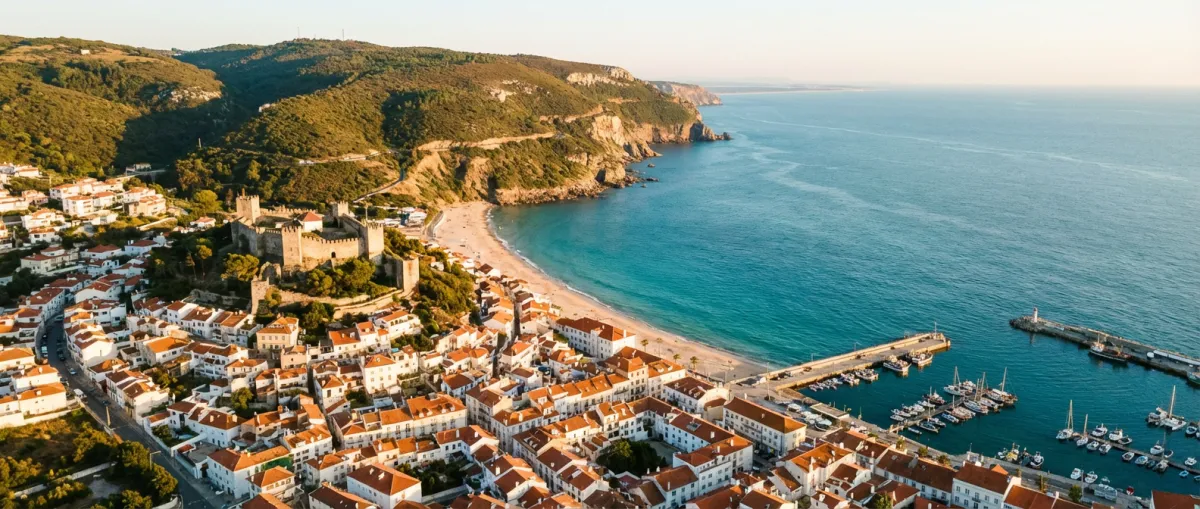
A working fishing town 40 minutes from Lisbon with a daily fish auction, honest fried cuttlefish, and a bay sheltered by the Arrábida hills. Two days cover the town, Cabo Espichel, and the beaches, ideally outside summer weekends.
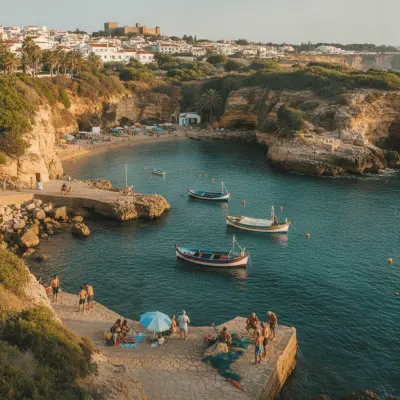
Everyone drives into the mountains chasing a river beach and the icy water of a dammed stream. But forty minutes from Lisbon, Sesimbra has turquoise coves, just-caught fish and a sea you can actually swim in. Here is why the detour is worth it.
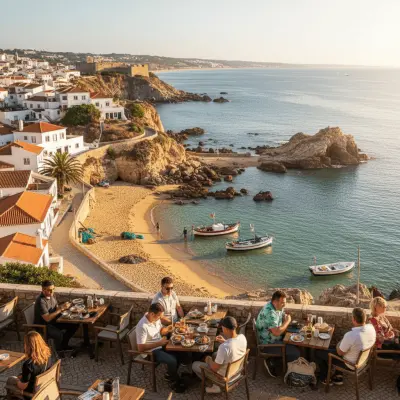
Why does the best guide to Algarve beaches in June start on a Sesimbra terrace? Because the trip begins before the beach, and where you sleep the night before sets up the next day. Here is the route, with real stops, real prices, and strong opinions.

Discover the soul of Sesimbra through its authentic crafts, from the iconic Farinha Torrada to naval miniatures and contemporary ceramics. A guide for the traveler who values maritime heritage over mass consumption.
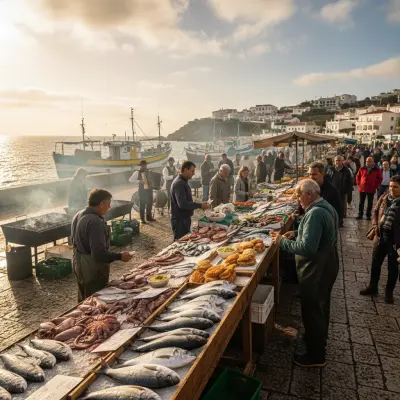
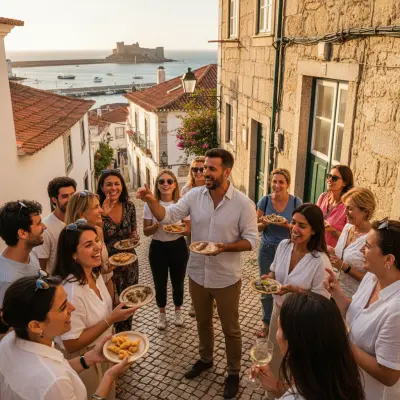
Explore the culinary heart of Sesimbra, where black scabbard fish and the traditional 'farinha torrada' define the soul of this resilient fishing town. A detailed guide to the municipal market's rituals and the best street-side snacks.
Sesimbra is a fishing town that never stopped being one, and that's precisely what sets it apart from almost everything within an hour of Lisbon. While Cascais reinvented itself as a cosmopolitan resort and Costa da Caparica became the capital's beach extension, Sesimbra kept its fish auction house running in the centre of town, with catches sold straight off the boats every morning.
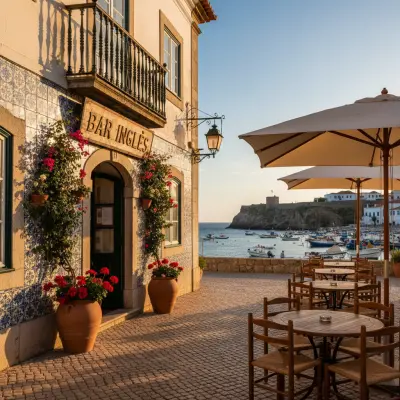
The bay is the focal point. A wide curve of sand sheltered by the Arrábida hills to the west and Cabo Espichel to the east, with water calmer than most of the Portuguese coast. The Santiago Fortress, sitting right on the beach, is the postcard shot, but the real character of the town lives in the streets running perpendicular to the sea, where fishing nets still dry on the pavement and the smell of grilled fish drifts out of restaurant doorways from noon onwards.
The Fortaleza de Santiago, built in the 17th century, now operates as a museum space and is the best way to understand how fishing and coastal defence shaped this place over centuries. Higher up, the Moorish Castle, yes, Sesimbra has its own, far less visited than Sintra's, offers a full view over the bay and across to the Arrábida range.
Grilled fish is unavoidable, and that's a good thing. Sesimbra is known for swordfish, sardines, and fried cuttlefish, the last one practically a local emblem. Along Avenida dos Náufragos and the surrounding streets, dozens of restaurants serve the day's catch with boiled potatoes and salad. The difference from Lisbon? The fish came out of the water hours ago, and the prices haven't reached absurd levels yet.
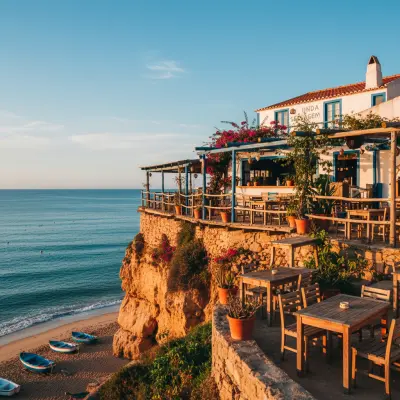
The town beach is the most accessible, but anyone with a car should drive to Cabo Espichel, the headland where the land drops away sharply, with an abandoned hermitage and fossilised dinosaur footprints in the rock. The road connecting Sesimbra to the cape is one of the most beautiful in the region, especially in the late afternoon. For more secluded beaches, the Arrábida coastline (Galapinhos, Figueirinha) is just a few kilometres away, though access is restricted during summer.
Two days are enough to cover the town, the cape, and an Arrábida beach. June to September fills the beach, but Sesimbra works well in May or October, fewer people, restaurants open, and warm enough to swim. Avoid summer weekends if you dislike traffic on the access road.