Sleep
€€€
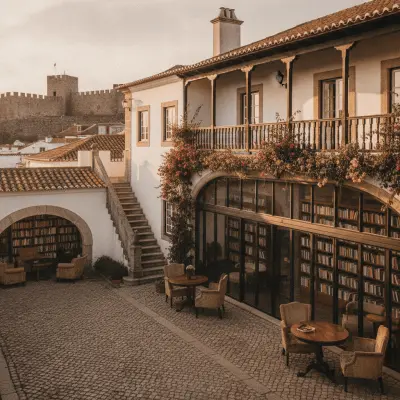
Casa das Senhoras Rainhas
Óbidos
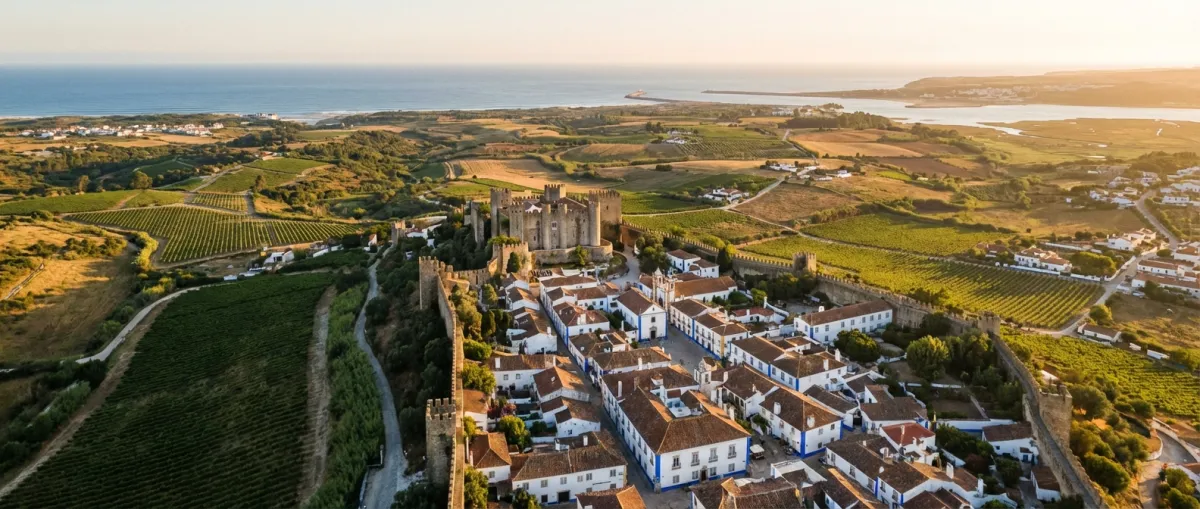
A walled medieval town with walkable ramparts, ginjinha in chocolate cups, and side streets most visitors skip entirely. One night covers the town; two let you explore the Óbidos lagoon and the western beaches.
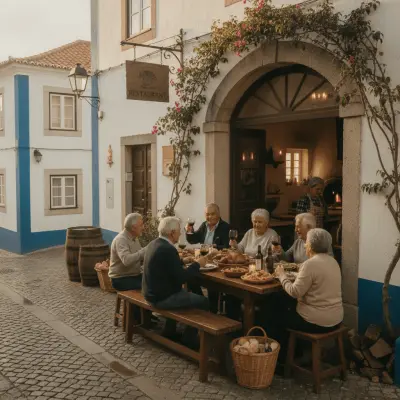
Rua Direita is the worst place to eat in Óbidos, and we tell you why. Where to drink ginjinha properly, which salt cod cake is worth the detour, and how to skip the chocolate-cup trap entirely.
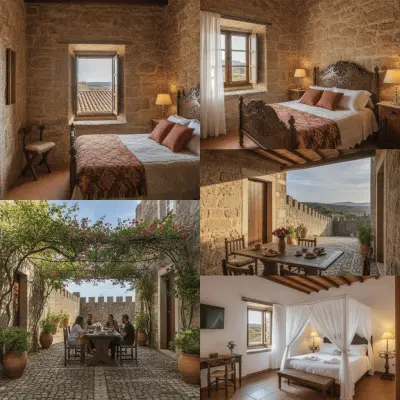
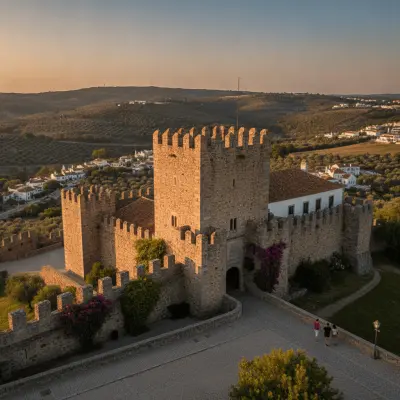
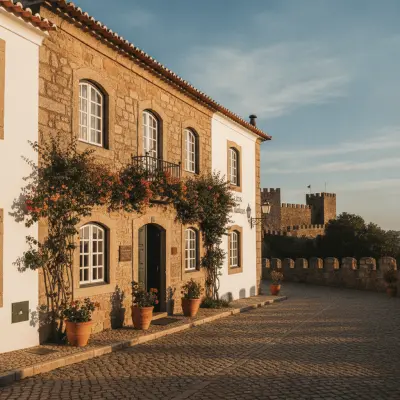
From the Pousada inside the castle to the farms of the Oeste, where you sleep in Óbidos decides the trip you'll have. The golden rule: at least one night inside the walls, to catch the village at seven in the morning, all to yourself.

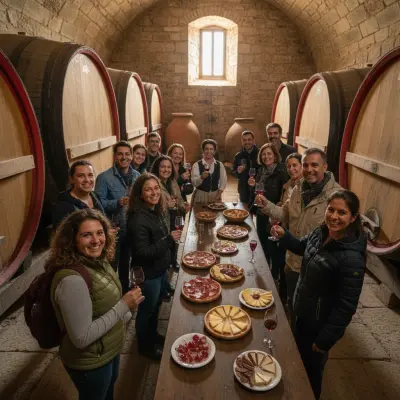
Discover Óbidos through a sophisticated lens, from its medieval walls to the historic cellars of Quinta do Sanguinhal. An essential guide for couples seeking authenticity, prestige wines, and the silent nights of the Queens' Town.
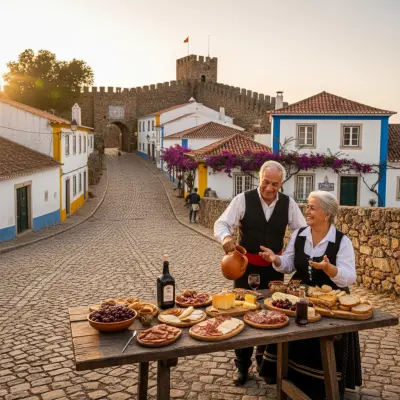
Discover the Óbidos that thrives beyond the tourist crowds, in an itinerary that blends wood-fired sourdough, heritage liqueurs, and the mineral wines of the West. A guide for those seeking the luxury of simplicity and the rigor of Portuguese terroir.



Óbidos is a walled town you can see in two hours, and one worth staying in for two days. Most visitors walk through the Porta da Vila gate, follow Rua Direita to the castle, drink a ginjinha (sour cherry liqueur) from a chocolate cup, and leave. That's not a bad visit, but it's an incomplete one.
The most common mistake in Óbidos is never leaving the main street. Rua Direita has the shops, the crowds, and the ginjinha stands, but the parallel lanes, narrower, with laundry lines and cats in the sun, are where the town actually lives. Walk the full perimeter of the medieval walls: there are no railings for long stretches, which adds honest vertigo and unobstructed views over the rooftops and the western plains below.
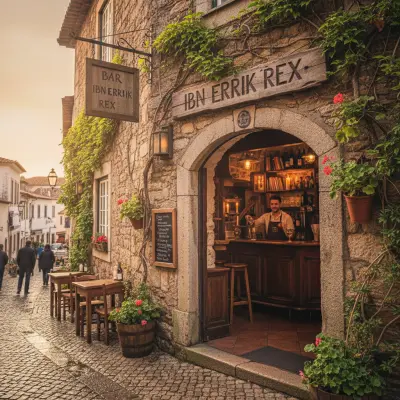
Casa Portuguesa do Pastel de Bacalhau, right at the entrance, is impossible to miss, and the cod pastry stuffed with Serra da Estrela cheese earns its queue. For a slower meal, Capinha d'Óbidos serves straightforward regional food, and Bar Ibn Errik Rex, tucked into an unlikely corner, is the kind of bar that only exists in medieval towns: low ceilings, bookshelves, and cocktails made with local liqueurs.
Óbidos ginjinha is mandatory at least once. Served in an edible chocolate cup, it's sweeter than the Lisbon version and works better as dessert than aperitif.
One night is enough to see the town properly. Two nights make sense if you want to explore the Lagoa de Óbidos lagoon or the beaches at Foz do Arelho and São Martinho do Porto, both under twenty minutes by car. Avoid weekends between June and September, when Rua Direita becomes a shoulder-to-shoulder corridor. The best months are March to May and October, good light, lower prices, a liveable town.
Seasonal events reshape Óbidos throughout the year: the International Chocolate Festival in March or April, the Medieval Market in summer, and Vila Natal in December each bring themed crowds with their own energy. If you visit during a festival, book accommodation early, options inside the walls are limited.
Óbidos was a queen's town for centuries, given as a wedding gift from kings to their consorts, which explains the architectural care and the domestic scale of the place. Today it's one of Portugal's most visited small towns, deservedly so, but the more interesting version of Óbidos appears after the tour buses leave and the lights come on inside the whitewashed houses.