Torre de Moncorvo in August: Surviving the Heat
At the height of summer, Torre de Moncorvo clears 40 degrees with insulting ease. The trick isn't fighting the heat, it's running on local time: cool mornings in stone churches, the museum at midday, and the streets only once the sun loses its rage.
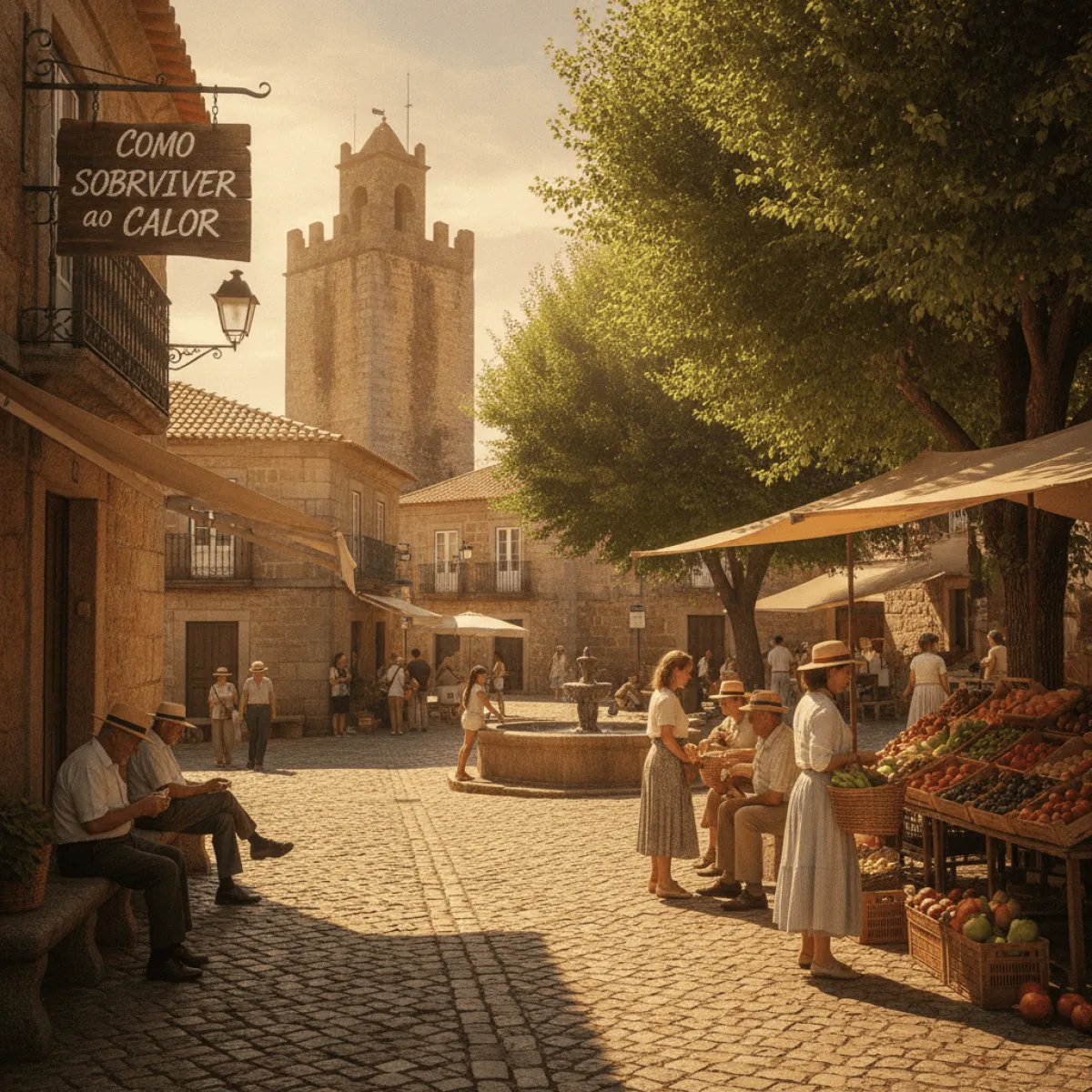
Nobody warns tourists about August in the Douro interior. The brochures show golden vineyards and the river snaking between terraces, but they conveniently skip the one detail every local knows by heart: in Torre de Moncorvo, at the height of summer, the thermometer clears 40 degrees Celsius with almost insulting ease. This is the heart of the Terra Quente, the Hot Land. And the name is not a marketing gimmick.
I'm not telling you this to scare you off. I'm telling you so you don't make the classic rookie mistake: arriving at noon, parking in full sun, and trying to walk the historic centre at one in the afternoon. That isn't sightseeing, it's a slow form of regret. With a bit of strategy, August in Moncorvo can be one of the finest months to get to know this town. You just have to think like the people who live here.
The golden rule: run on local time
The tourist assumes the day starts at nine and ends at six. Here, in summer, the day splits in two. Early morning until around eleven, and then again from six in the evening. The middle of the day belongs to shade, to the table, to the siesta that isn't laziness but survival engineering.
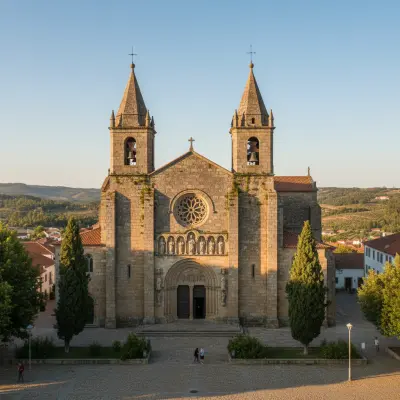
Start early. At half past seven, when the granite streets still hold the cool of the night, is the time to climb up to the Basílica Menor de Nossa Senhora da Assunção. It's the largest church in Trás-os-Montes outside the cities, a mass of stone that seems far too grand for the town around it, and there's a good reason to visit it in the morning: those thick stone walls keep the interior several degrees below the street. Step inside, sit on a pew, let your eyes adjust to the dimness. It's the best free air conditioning in town.
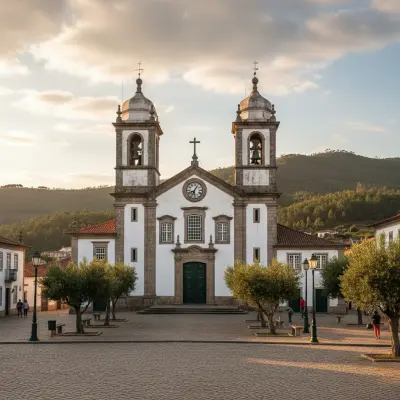
A few steps away sits the Igreja da Misericórdia de Moncorvo, more modest but blessed with the same precious ability to leave the heat at the door. String the two together in the morning and you'll have covered the essential religious heritage before the sun really starts to bite.
Where to hide at midday
Around eleven, when the shadows shorten and the air begins to shimmer over the asphalt, it's time to swap the street for the indoors. And here I have a firm recommendation: the Museu do Ferro e da Região de Moncorvo. It's not just a climate-controlled refuge, though on a scorching day that alone would be reason enough. It tells the story that explains the town's very existence: for centuries, Moncorvo lived off the iron pulled from these hills, and the museum walks you through that industrial memory intelligently, without the dusty weight of so many provincial museums. Give it ninety minutes. It's time well spent, and you'll leave finally understanding why a town this size exists in the middle of nowhere.
After the museum, have lunch. And treat it as the most important moment of the day, because in a Trás-os-Montes summer it genuinely is. The table here is not for rushing or for counting calories. The posta steak, the alheira sausage, the roast kid, all of it demands local wine and a free afternoon to follow. Don't try to be productive after a lunch like that with 42 degrees outside. Nobody does. It's against nature.
Almonds, sweets and an excuse for the shade
Moncorvo is almond country. In spring, the hillsides bloom white and pink, a spectacle I've written about elsewhere when I covered the town in bloom and its gardens and parks. But in August the almond is at its gastronomic peak, and the local specialty is amêndoas cobertas, sugar-coated almonds that rival any convent sweet in the country. Look for them in the confectioners around the centre. They're the perfect nibble alongside a coffee in the shade, and as good an excuse as any not to step back out into the sun.
Speaking of shade: the town's gardens and parks are underrated allies in the war against the heat. A bench under a century-old tree, a bottle of cold water and a book are worth more between one and five in the afternoon than any ambitious itinerary.
Cool off by the Sabor
If the heat really clamps down, water is the obvious answer. The river Sabor and the reservoirs around here offer river beaches where locals take refuge on the impossible days. Interior water runs cold, almost brutally cold after a morning in the sun, and that's precisely what makes it so good. Bring a hat, bring sunscreen, and go early or late in the day: even in the water, the midday sun shows no mercy. Check locally for access points and conditions, which vary from year to year depending on water levels.
Late afternoon is when the town wakes up again
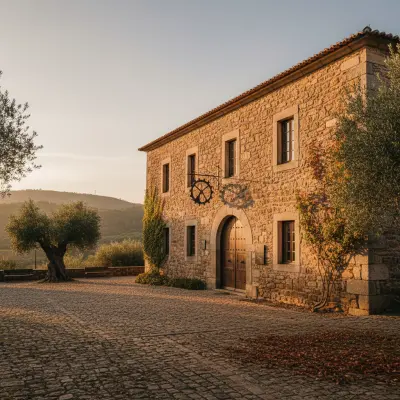
Around six, the light changes. It turns golden and low, and the heat loses its edge. This is when the town returns to the streets, and the best time for a proper walk. I recommend the heritage route through Moncorvo's manor houses, a trail past the noble homes that tell the story of the families who ran this place for centuries. Doing it at dusk, with the stone giving back the day's stored warmth and the swifts cutting across the sky, is a completely different experience from the same walk under the merciless noon sun.
If you're lucky enough to visit in late August, keep an eye out for the Torre de Moncorvo Medieval Fair, three days when the town dresses up in the Middle Ages with merchants, music and period snacks. Like almost everything here in summer, it comes alive at night, when you can finally walk the streets without melting. Confirm the dates locally, as they shift from year to year.
Worth escaping for a day
One of the advantages of using Moncorvo as a base is how close you are to the wine Douro. On the hottest days, a drive along the roads that snake between the vineyards gives you moving air through the window and strategic stops in the shade of the estates. It's worth pushing on to Sabrosa and its lesser-known estates, where you can taste wine without the crowds of the river's more touristy spots. And if you catch the right month, the Santos Populares in Sabrosa show the deep Douro in full celebration, though that's more a June gift than an August one.
Logistics without drama
- Getting there: Torre de Moncorvo is about two hours from Porto by car, via the A4 and then inland roads. Don't count on frequent public transport: here, a car is practically mandatory, especially if you want to explore the surrounding Douro.
- When to arrive: if you can choose your hour, arrive in the late afternoon. Settle in, have a slow dinner, and save the demanding sightseeing for the following morning.
- What to bring: a hat, high-factor sunscreen, a refillable water bottle you can top up at any café, and light cotton or linen clothing. Leave the synthetics at home.
- Hydration: drink more than you think you need. The dry interior air is deceptive: you sweat without noticing and dehydration creeps up quietly.
The truth about August in Moncorvo
Some will tell you to avoid the Trás-os-Montes interior at the peak of summer. I disagree. The heat isn't a flaw to work around, it's the personality of the place. It's what gives the almond its sweetness, the wine its strength, the afternoons their unhurried rhythm that forces any rushed visitor to slow down. The question isn't whether you can handle the Moncorvo heat. It's whether you're willing to play by the town's rules: rise early, eat well, nap without guilt, and return to the streets once the sun has lost its rage. Do that, and August is no enemy. It's the finest lesson in how you live in a place that learned, centuries ago, to make peace with its own sun.