The museum that explains why this town exists
Most people come to Torre de Moncorvo for the almond blossoms or the Douro Superior wine country. Fair enough. But before any of that, there was iron. The region sits on one of the largest iron ore deposits in Portugal, and for over a century, mining shaped everything here: the economy, the landscape, the social fabric. The Museu do Ferro e da Região de Moncorvo is dedicated to preserving that chapter of history, and it does so with more focus and care than you might expect from a small municipal museum.
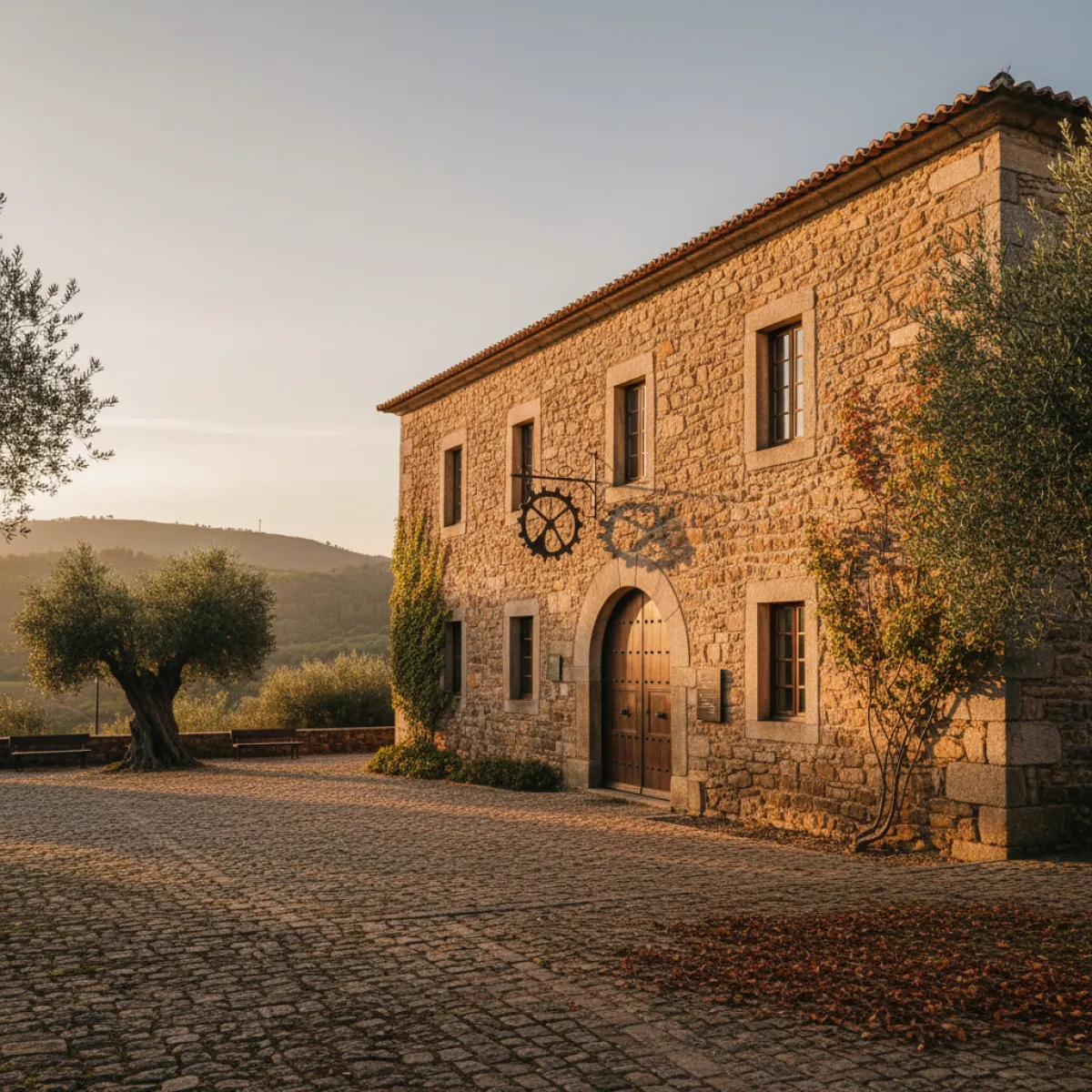
The museum occupies the Casa do Barão de Palme, a stately house on Largo Doutor Balbino Rego in the historic centre of Torre de Moncorvo. The building itself tells a story: this was the home of local gentry whose wealth came, directly or indirectly, from what lay beneath the ground. Housing a mining museum inside a baron's residence creates an interesting tension that the curators don't shy away from.
What's inside
The collection traces the history of iron mining in the region from the 19th century onwards. Expect geological maps, mining tools, archival photographs of workers, and documents that chart the rise and eventual decline of the industry. It's not a large museum. You can see everything in 30 to 45 minutes. But what it does, it does well: it tells one story thoroughly instead of trying to be a catch-all regional museum.
For anyone interested in industrial heritage, this is a rare find in northern Portugal's interior. The exhibition won't rival major mining museums in other European countries, but it offers something those can't: the specific, intimate story of what iron meant to this particular community.
Practical details
Admission is cheap, in the €1 to €2 range. Before visiting, call ahead at +351 279 252 724 to confirm opening hours. Small municipal museums in Portugal's interior don't always keep to published schedules, particularly outside peak season. You can also check the official website at torredemoncorvo.pt/museu-do-ferro for updates. No reservations needed, no dress code, and the museum is accessible enough for families, though young children might not find 19th-century mining documents riveting.
What to combine it with
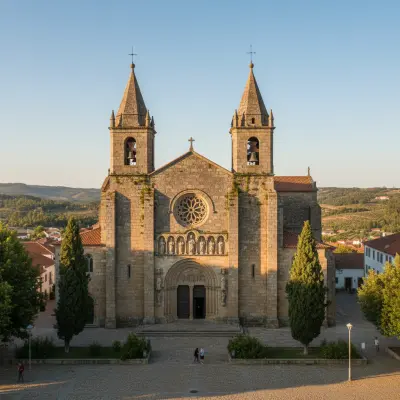
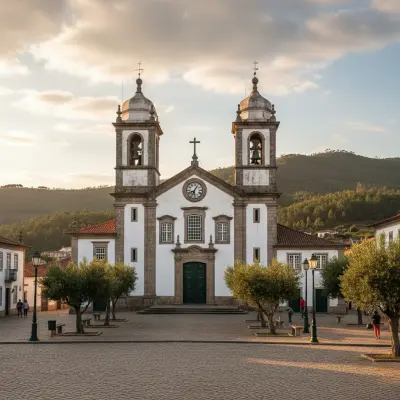
The museum sits right in Torre de Moncorvo's centre, so it pairs naturally with a walk through the old town. The Basílica Menor de Nossa Senhora da Assunção is the obvious next stop: it's disproportionately grand for a town this size, and the altarpiece alone is worth the detour. Just nearby, the Igreja da Misericórdia is smaller but has fine tilework worth a few minutes of your time.
If you're visiting in spring, the surrounding landscape transforms into a sea of white and pink almond blossoms. Our spring road trip guide covers the best routes and viewpoints. For a deeper dive into what the Douro Superior offers in early spring, the March in Torre de Moncorvo guide lays out a full itinerary.
Getting there
Torre de Moncorvo is in the Bragança district, deep in the Douro Superior. From Porto, it's roughly a two-hour drive via the A4 motorway and then the IC5 or EN102. There's no direct train service, and bus connections are infrequent, so a car is essentially mandatory. Once in town, everything is walkable. The museum is centrally located, and street parking nearby is usually easy to find.
The verdict
This isn't a destination museum. You won't plan a trip around it. But if you're already in Torre de Moncorvo, and you should be, spending half an hour here will change how you look at everything else around you. The scars in the hillsides, the oversized houses in a small town, the roads that seem to lead nowhere obvious: they all start to make sense once you understand the iron story. It's a short visit that gives you the key to reading the whole landscape differently.