A 16th-century church with a full museum inside
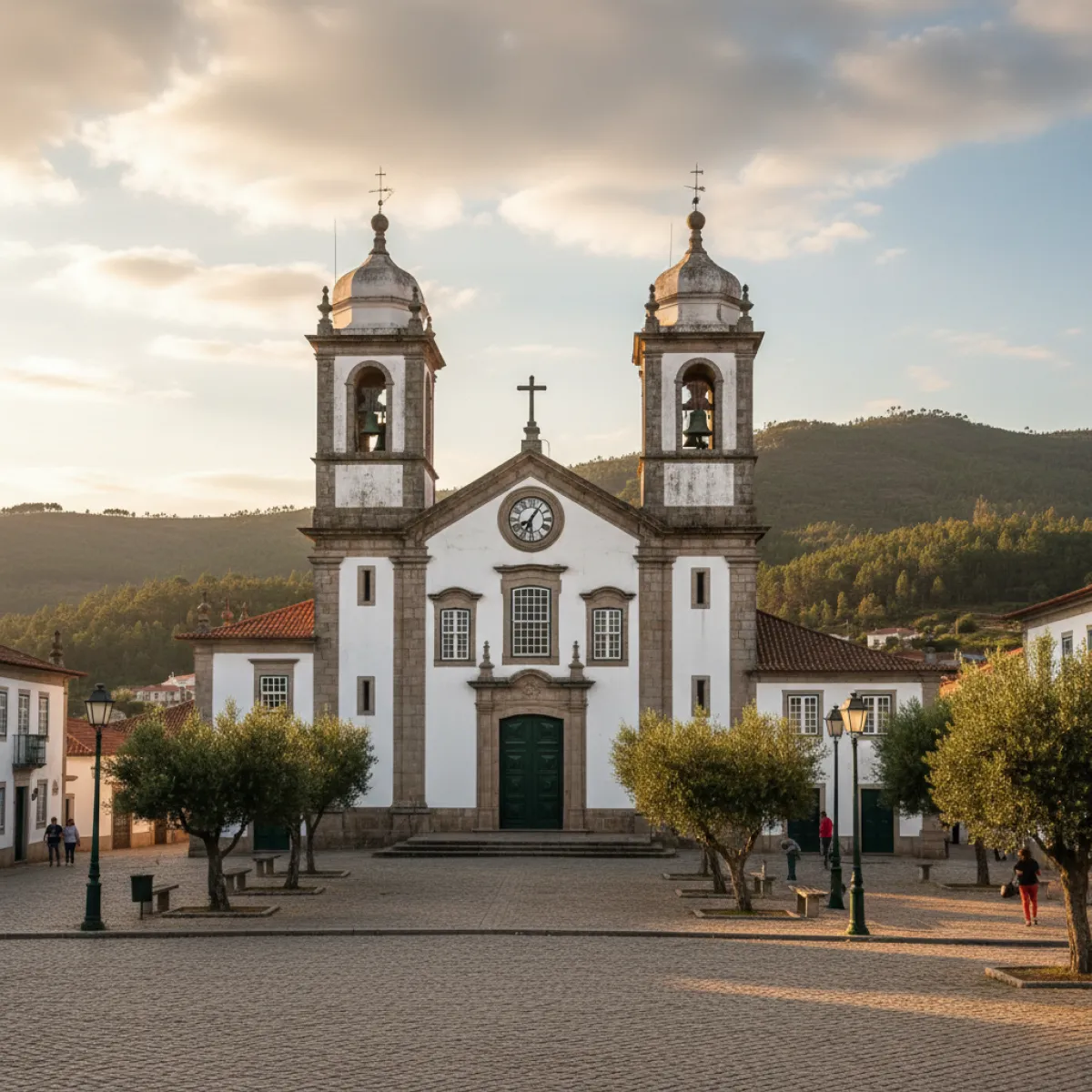
Torre de Moncorvo is not a place you rush through. It's a town in the Upper Douro with its own pace, where cafés still close for lunch and the granite streets always lead somewhere worth stopping. The Igreja da Misericórdia is one of those stops. Located at Rua da Misericórdia 12, just steps from the historic centre, it's the kind of monument you could see in twenty minutes but that rewards a full hour of your attention.
The Renaissance facade stands out immediately: two carved medallions depict Saint Peter and Saint Paul, one on each side of the portal. This is not typical decoration for churches in this region, which tells you something about the ambition of the local Misericórdia brotherhood when they commissioned the building in the 1500s. It's classified as a Property of Public Interest, Portugal's formal recognition of its heritage value.
The Sacred Art Museum
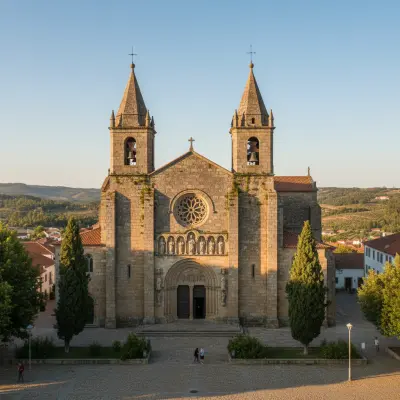
The interior doubles as a Museum of Sacred Art, and this is where the visit gets genuinely interesting. The collection includes religious statuary, vestments, and silverwork spanning centuries of devotion and artistic investment in this corner of the Douro. If you've already visited the Basílica Menor de Nossa Senhora da Assunção, the Misericórdia works as a perfect complement: two different registers of religious art, a few minutes' walk apart.
Don't expect a large-scale museum with audioguides and a gift shop. This is a modest, well-kept collection inside a building that is itself the main exhibit. And that's precisely what makes it worth your time: there's no distance between the container and the content.
Practical tips
Admission is cheap (€ range), but check opening hours directly before visiting, as they can vary by season. There's no official website or publicly listed phone number, so your best bet is to ask at the Torre de Moncorvo tourist office or simply show up. If it's closed, someone nearby will likely know who holds the key. This is small-town Portugal, and that system still works.
Dress respectfully, as you would for any religious building in Portugal. There's no formal dress code, but beach shorts and flip-flops will feel out of place. Photography is generally allowed, but skip the flash inside the museum.
When to go and what to pair it with
The best time to visit Torre de Moncorvo is spring, particularly between February and March, when the almond trees are in bloom and the Upper Douro landscape turns into something you won't forget. Combining a visit to the Misericórdia with an almond blossom drive is the smartest way to plan your day.
If you're driving, access is straightforward: Torre de Moncorvo sits on the EN220, roughly two hours from Porto. Parking in the town centre is easy outside market days. Public transport exists via bus from Bragança and Vila Real, but schedules are limited. A car gives you far more freedom to explore the wider region.
After the church, head into the centre for lunch. Local gastronomy revolves around alheira (a smoked sausage originally made without pork), roast kid goat, and Upper Douro olive oil, which ranks among the best in Portugal. The almonds from Moncorvo are famous and turn up in conventual sweets that are well worth trying.
The Igreja da Misericórdia isn't the kind of attraction that justifies a trip on its own. But within a route through Torre de Moncorvo and the Upper Douro, it's an essential stop that adds historical and artistic depth to everything else you see in the region. And honestly, that's more than many better-known monuments manage to deliver.