Santos Populares in Sabrosa: June in the Deep Douro
Forget Lisbon's touristy sardines: in Sabrosa, at the heart of the Douro, Santos Populares still smell of holm oak smoke and house wine. An honest guide to living June the way it was lived before Instagram, with stops at Lagoa Bar, Café Snack Bar Fonte Luminosa and a serious tasting at Wine & Soul.
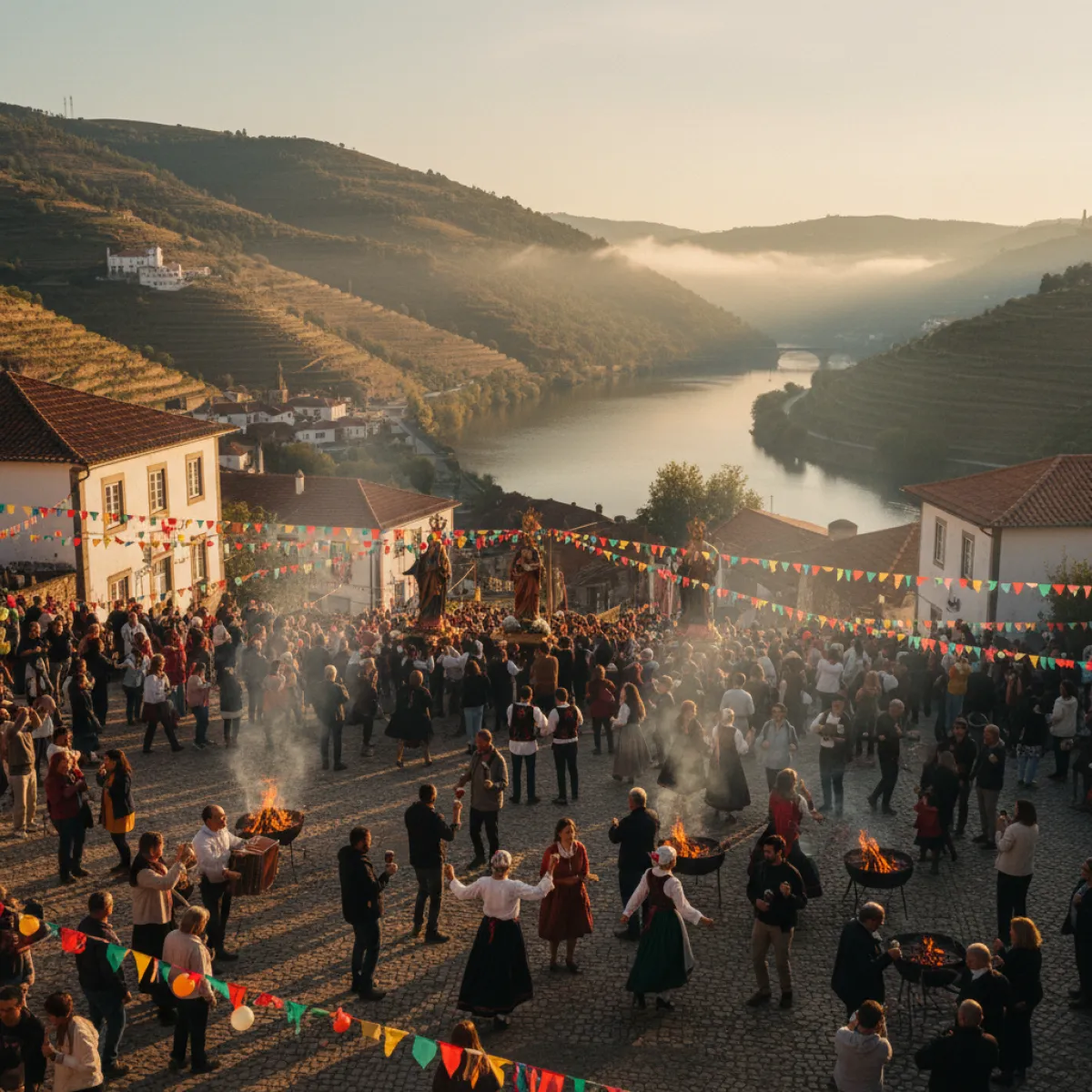
There is a certain arrogance in talking about Santos Populares as if they only happened in Lisbon. The sardines in Alfama, the basil pots at Martim Moniz, the street parties packed with tourists tripping over peppers jumping off the grill. All of that exists, and it is beautiful in its own way, but if you want to understand why these festivals have lasted for centuries, pack your bags and head up to the Douro. In Sabrosa, in June, the Santos Populares still smell of the real thing: holm oak charcoal smoke in the Praça do Pelourinho, bagaceira aguardente served in tiny coffee glasses, neighbours who know your dog's name.
This is the guide I wish I had the first time I came up here. It is not a list of official schedules (those change every year and nobody in Sabrosa cares much about punctuality). It is an instruction manual for anyone who wants to live June the way it was lived before Instagram existed.
Why Sabrosa Does It Differently
Sabrosa is a town of just over six thousand people, leaning against the right bank of the Douro, with one foot in the vineyard and another in history. It is the birthplace of Fernão de Magalhães, which everyone repeats, but it is also the council where Port wine is still serious business, made by people who tread the grapes with their feet because that is how it is done and that is the end of it. In June, this translates into an unlikely crossover: the agricultural tradition of the Trás-os-Montes street parties mixed with the liquid sophistication of the Cima Corgo wines.
The result is that, unlike what happens in more touristy towns, in Sabrosa the Santos are not a spectacle. They are an extension of daily life. People go out into the street because it is São João, they dance because the neighbour brought the speakers, they eat sardines because it is the season. There is no marketing, no VIP wristband, no queue for the bathroom.
Santo António, São João, São Pedro: A Quick Briefing
For those new to this universe: Santos Populares are three distinct festivities on three different days in June.
- Santo António (12 to 13 June): matchmaker saint, more associated with Lisbon, but in Sabrosa there is always someone running a sardine grill on the eve just for the principle of it.
- São João (23 to 24 June): the peak of the celebration in the North. Bonfires, leek (in Porto, less so in Sabrosa), plastic hammers, cardboard cascades, the lot.
- São Pedro (28 to 29 June): saint of fishermen and widowers. Less weight in Sabrosa, but the surrounding villages tend to close the month with smaller street parties.
If you can only come for one weekend, come for São João. It is the night of the year in Sabrosa.
What to Do on São João Night in Sabrosa
Start the afternoon slowly. Late lunch, optional siesta, a walk through the old centre to see the streets being decorated with paper lanterns and little flags that neighbours hang from window to window. Around 7 pm, the smell of sardine starts coming from the balconies. That is the signal.
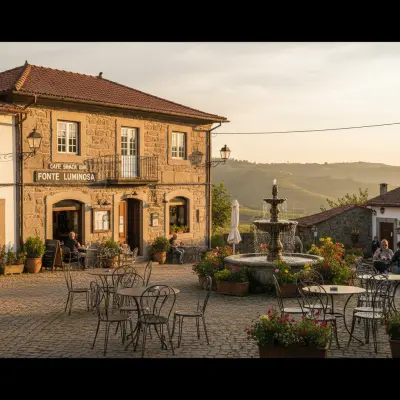
The logical starting point is the Café Snack Bar Fonte Luminosa, next to the fountain of the same name. It is the kind of café where regulars walk in, order nothing, and the waitress is already pulling their coffee the way they like it. On São João night it turns into informal headquarters: people drinking small beers before heading to the parties, kids buying ice creams, old men arguing about how this year's harvest is going to turn out. Order a cold draught, a sheep cheese sandwich, and listen.
From 9 pm onwards, the festival migrates to the square. There is always a band (a wind band from one of the villages, usually), there are bombo drum parades, there is a collective grill organised by the parish council. A sardine plate with bread, boiled potato and roasted pepper goes for around five to seven euros, and a glass of house wine for one and a half euros. Check locally, but that is roughly the range.
The Bar Where the Night Doesn't End
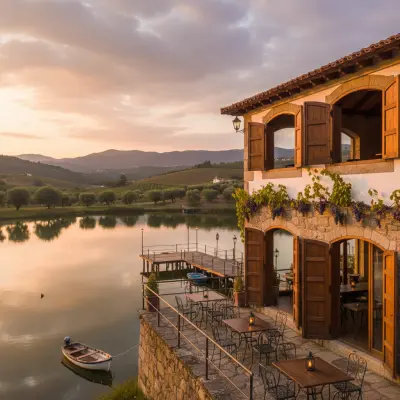
When the street party starts winding down, which always happens earlier than you would like, the younger crowd of Sabrosa migrates to the Lagoa Bar. This is where the night extends until three, four in the morning, depending on the bartender's mood and how many people are around. Louder music, stronger drinks, looser conversations. It is not a tourist bar, it is a Sabrosa bar, and you can feel the difference. Walk in with humility, order a beer, find a corner, and within half an hour you will be talking to someone who will tell you the real story of the estate up the hill.
Eating in June: Beyond the Sardine
The sardine is the icon, but reducing the Santos to the sardine is like reducing Christmas to cod. In Sabrosa, June is the month of specific products worth seeking out.
Roast kid goat: June is when the Trás-os-Montes baby goats are at their best. Many restaurants in the area do oven-roasted kid on weekends. Ask the day before if there is any.
Cherries from Fundão and the Douro: technically from Cova da Beira, but they arrive fresh in the Douro in June. Eat them by hand, from a paper bag, sitting on a granite wall watching the sun set over the vineyards.
Posta à Mirandesa: if you can make it to a restaurant that still does it the old way (Mirandesa breed beef, grilled over vine stump embers), do not leave without trying it. Not strictly a Sabrosa dish, but all of Trás-os-Montes shares it.
Caldo verde at midnight: the ritual nobody talks about. After the sardines, before the bonfire, there is always a pot of caldo verde steaming in some corner of the party. Accept the bowl. It warms the stomach for what is coming.
Wine is the Boss
We are in the Douro, and ignoring the wine would be a crime. June is, in fact, a curious moment in the vineyard: the vines are green and full, but the grapes have barely begun to swell. It is the calm before the September harvest storm. For that reason, it is the best moment to visit estates. The winemakers have time, the cellars are quiet, and the heat invites a long tasting in the shade.
My clear recommendation: book a wine tasting at Wine & Soul in Sabrosa. It is a small, serious project, run by people who know what they are doing and do not inflate their speeches. They will show you the old vineyard, explain the difference between Touriga Nacional and Touriga Franca without sounding like a boring lecture, and open bottles that justify the trip on their own. Book in advance, especially on São João weekend.
If you want to go deeper into the wine geography of the council, our guide to the Douro estates nobody talks about is the perfect companion piece. There are estates in Sabrosa that only open by appointment and produce wines you will never see in supermarkets. It is another world.
Beyond Sabrosa: Other Festivals, Other Villages
Sabrosa is the base, but the council has sixteen parishes and almost all of them do something in June. Provesende, Souto Maior, Gouvães do Douro, Paços, São Lourenço de Ribapinhão: each with its own version of the Santos. Some are more intimate, with twenty or thirty people around a bonfire in front of the chapel, others bigger, with hired bands and farturas stalls.
The honest advice is this: ask at the breakfast café where the festival will be that night. In Sabrosa there is no single poster, there is word of mouth. If you want a guaranteed party, stay in Sabrosa town. If you want almost anthropological authenticity, go to a village.
Combining With Torre de Moncorvo
If you are doing a longer loop through the northeast, consider combining Sabrosa in June with a stop in Torre de Moncorvo. The contexts are different but complementary. Our spring road trip through Torre de Moncorvo works for those arriving at the end of May, and the guide to spring gardens and parks helps you plan shaded, peaceful stops between street parties.
Logistics Without Romanticism
How to Get There
By car is the only sensible way. From Porto it is about two hours via the A4 motorway, exiting at Vila Real and then taking the N322. From Lisbon, a long five hours, break the journey overnight in Coimbra or Viseu. There is a train to Pinhão (the Douro line, one of the most beautiful train rides in Europe), but after Pinhão you will need a taxi or a lift.
Where to Sleep
On São João weekend, Sabrosa fills up. Book at least a month in advance. There are inns, rural tourism houses, and some estates renting rooms. If Sabrosa is full, widen the radius to Alijó, Vila Real or even Pinhão, and drive in for the evening (pick a sober driver, or budget around fifty euros for a taxi).
What a Weekend Costs
- Lodging (two nights in a decent rural house): 120 to 200 euros for a couple.
- Meals: between 15 and 30 euros per person per meal at a local restaurant. The street party feeds you well for 10 euros.
- Wine tasting at an estate: 25 to 60 euros per person, depending on the level.
- Fuel and tolls Porto-Sabrosa-Porto: around 60 euros.
Reasonable total for a couple, two days, without cutting the small joys: 400 to 600 euros. Not a cheap trip, but not an ordinary one.
What to Pack
- Light jacket. June in the Douro is hot during the day (30 degrees easily), but it can cool down at night, especially near the river.
- Comfortable shoes. Sabrosa's streets are stone and there are climbs. Heels are a bad idea.
- Cash in small notes. Many street parties still do not take cards.
- A potted basil, if you are Portuguese and want to make a good impression. Buy one at a market and offer it to the lady of the house where you sleep.
- Patience. Things start late, end later, and nobody apologises for it.
One Last Recommendation
Don't come to Sabrosa in June looking for Lisbon's Santo António. Come looking for something else: a night where kids jump barefoot over bonfires, where grandparents dance at the parties until they are the last ones to leave, where you drink house wine from thick glass tumblers and eat sardine on bread looking down at the river that ran right through history. This is not folklore for tourists. This is Portugal doing what it has known how to do for five hundred years: celebrating the start of summer as if it were the last one we were going to live. Show up hungry, and stay until the bonfire is just embers.