Visit
€
Castelo de Beja
Beja
Not the Gothic cathedral of the postcards: it's the restrained Church of Santiago Maior on Largo do Lidador, with an Episcopal Museum and a budget ticket. Call before you climb, because the hours aren't clear online.
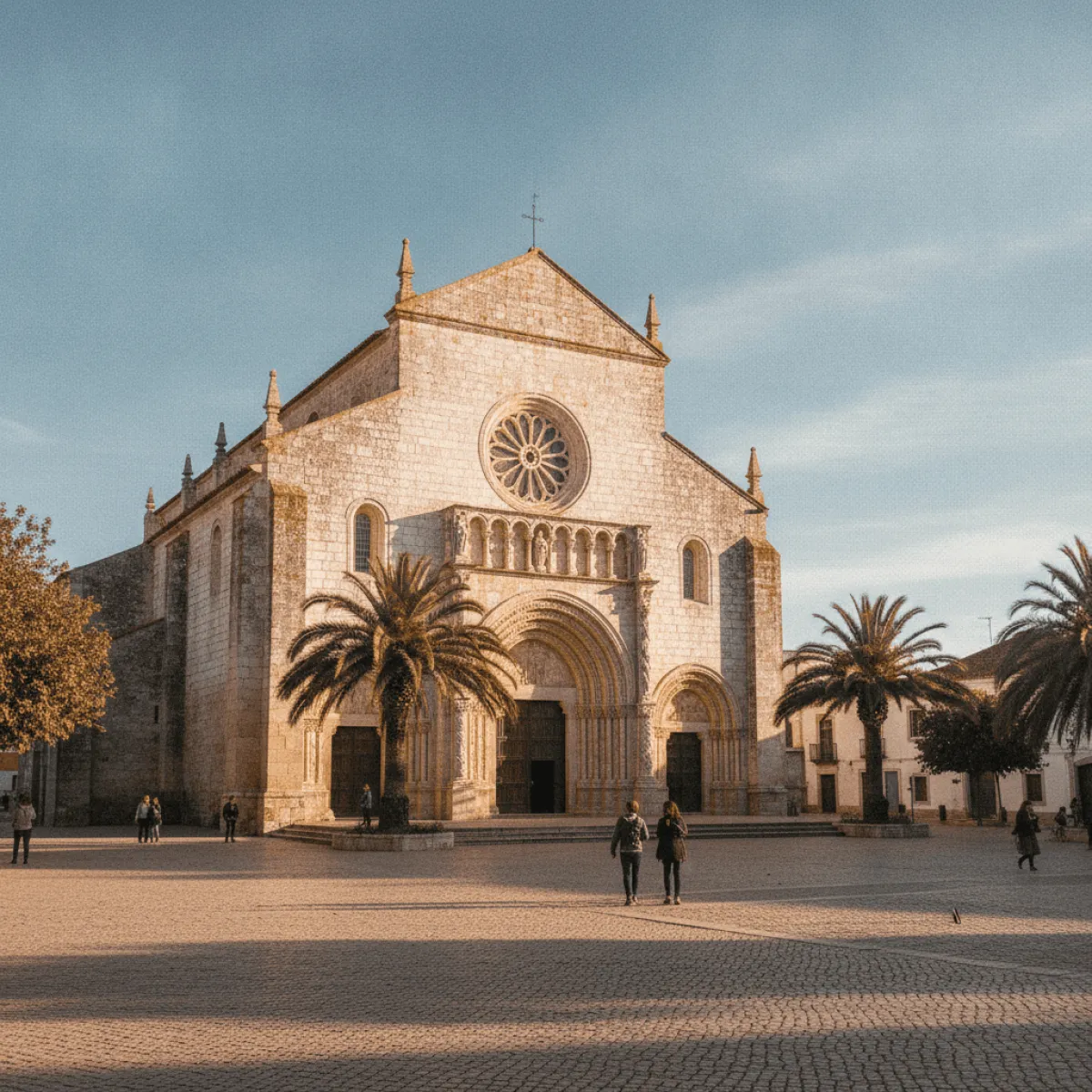
If you arrive at the Sé Catedral de Beja expecting a jaw-dropping Gothic facade, brace yourself for a gentle anticlimax. This is not the cathedral that fills postcards. It is the Church of Santiago Maior, a Renaissance-era building with restrained lines on Largo do Lidador, in the historic heart of Beja, and its appeal lies precisely in that restraint. No Baroque excess shouting for attention. Just a building that has been part of the city's fabric for centuries and now serves as the diocese's cathedral.
Beja is like that: contained, dry, honest. Anyone who knows the quiet rhythm of the deep Alentejo understands that the city doesn't sell itself to the first passing tourist. The cathedral is that attitude rendered in stone.
The official address is Largo do Lidador, 7800-265 Beja. You are in the historic centre, a few steps from the Praça da República and the whitewashed houses that define the old town. If you drive in, forget about parking at the door. Leave the car in one of the lots near the city walls and walk up. Beja's old town can be crossed on foot in twenty minutes, and the walk is worth it.
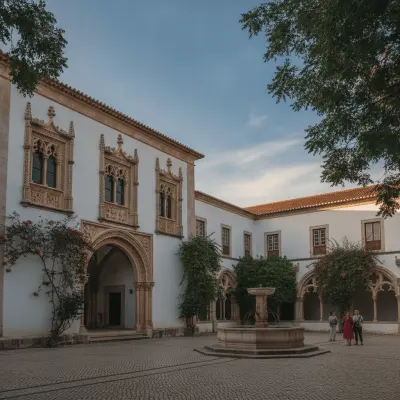
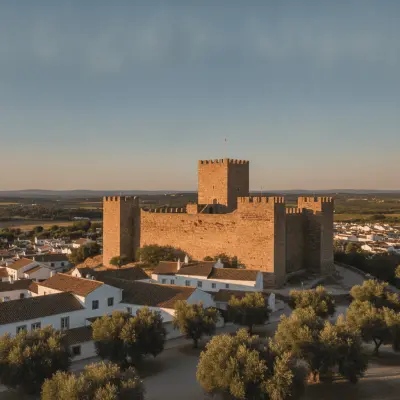
A few metres away stands the Castelo de Beja with its commanding keep, and a short distance off is the Museu Rainha D. Leonor, housed in the former Convento da Conceição. Make these three points the backbone of your visit. They sit within the same perimeter and work nicely as a morning of walking discovery.
The cathedral houses the Episcopal Museum, gathering sacred art tied to the diocese. It is a quick, dignified visit, not one of those museums that eats up a whole afternoon. The interior follows the building's Renaissance logic: balance, proportion, little distraction. If you appreciate Portuguese religious architecture that avoids the gaudy, the ensemble will satisfy.
The ticket sits in the budget bracket, signalled as €. Don't expect a slick ticketing operation. Things here run the Alentejo way, which means it is worth confirming directly before you go.
Let's be honest about the most frustrating part: opening hours are not clearly published online and may shift with the season and religious services. There is nothing worse than walking up to Largo do Lidador to find a locked door. My advice is simple: phone ahead on +351 284 388 196 or check the Beja town council website first. Five minutes on the phone saves you a wasted trip.
If you can, aim for mid-morning. The Alentejo light at that hour slants through the windows and the square is empty. In summer, the early afternoon heat in Beja is brutal and the old town empties out for good reason.
For a bed, the standout choice is the Pousada Convento de Beja, set in a former convent a few minutes' walk from the cathedral. For something more relaxed and family-run, Maria's Guesthouse handles the basics without fuss.
After your visit, head down to the Beja market to see what the region produces: cheeses, cured meats, Alentejo bread. And if you have days and a car, the coast isn't far. Praia da Zambujeira do Mar is the perfect counterpoint to the dry interior, with cliffs and a wild Atlantic about an hour away.
Yes, with the right expectations. The Sé Catedral de Beja is not a front-page architectural spectacle. It is an honest building, woven into the life of the diocese, in one of the best-preserved historic centres of the Lower Alentejo. Visit it for what it is: a piece of Beja's urban whole, not a standalone draw. Confirm the hours, bring cash, dress with respect and give it the half hour it deserves. Beja rewards those who aren't in a hurry.