Visit
€
Castelo de Beja
Beja
Gilded woodwork that swallows the walls, a cloister lined in azulejos and the legendary window of Mariana Alcoforado: Beja's Museu Regional is more about the building, a 15th-century convent, than the collection. For a few euros, it is one of the city's best-value tickets.
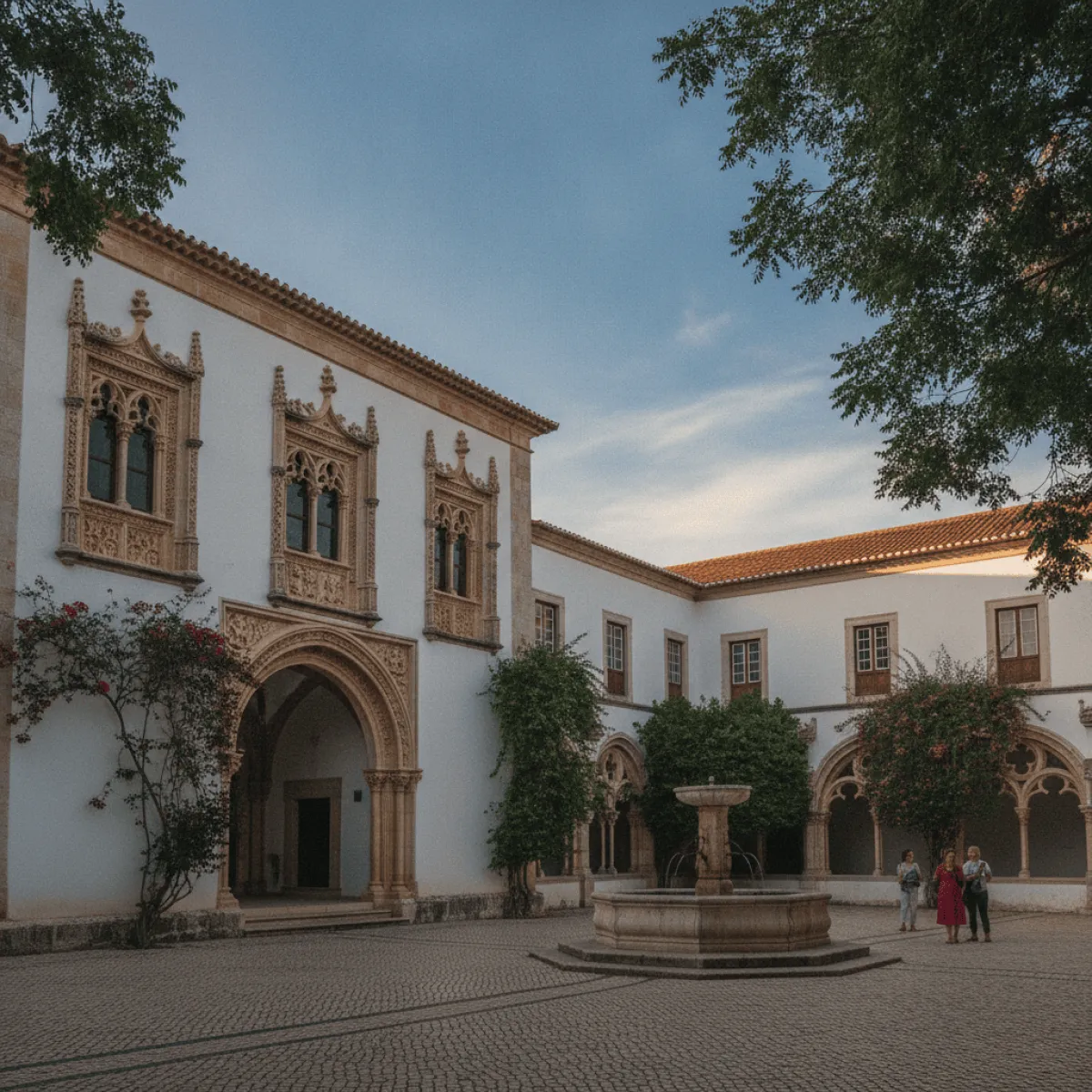
Some museums you visit for the collection. Others you visit for the building. The Museu Rainha D. Leonor, which everyone in town simply calls the Museu Regional de Beja, is firmly in the second camp. The collection is honest and worth the ticket, but the real reason to climb up to Largo da Conceição is the place itself: the former Convent of Nossa Senhora da Conceição, founded in the 15th century by the queen the museum is named after. It is a National Monument, and you understand why the moment you walk in.
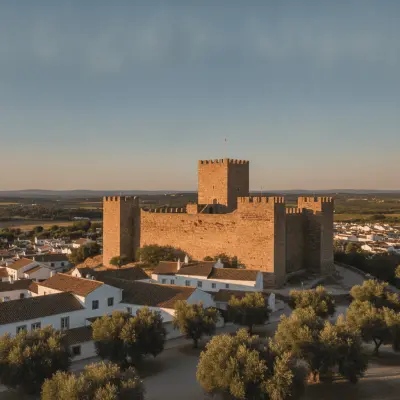
It sits on Largo da Conceição, 7800-131 Beja, in the heart of the old town, a short walk from Beja Castle and its keep. Beja is a small city and almost everything worth seeing is within easy walking distance, so leave the car behind. If you are driving in, park on one of the wider streets near the ring road and walk: the centre is narrow and the fight for a space is rarely worth it. Arriving by train from Lisbon? The rest is an easy stroll. For the bigger picture before you go in, our guide to the geometry of silence in the deep Alentejo sets the scene.
Three things justify the stop, in this order. First, the Baroque church: gilded woodwork covers the walls in a way that, inside a convent, feels almost startling in its excess. Second, the tiled cloister, with azulejo panels spanning different centuries of production that are worth a slow lap on their own. Third, and this is what most people come for, the so-called window of Mariana Alcoforado.
The story, if you do not know it: Mariana Alcoforado was a nun in this convent in the 17th century, credited with the famous Letters of a Portuguese Nun, love letters addressed to a French officer that became a European literary classic. Whether she actually wrote them is still an academic argument, but the legend stuck to the stone and the window became the centrepiece of the visit. Go with the right expectations: it is a window, not a spectacle. What makes it interesting is everything built up around it.
The archaeology and sacred-art collection rounds out the circuit, with Roman and Visigothic pieces from the region, painting and goldwork. It is not the Louvre and nobody pretends it is. It is a good regional museum, well laid out, that tells the story of this land plainly.
The price is modest, in the low single euros (€), which puts it firmly in the worth-it-even-on-a-whim category. The museum's opening hours are not reliably listed online and there is a real chance of a midday closure or a Monday shutdown, as is common in many Portuguese museums, so check directly before you go: call +351 284 323 351 or look at the official site at museuregionaldebeja.net. Do not make the trip only to find the door locked.
Beja rewards a slow pace. Pair the museum with a turn around the castle and, if time allows, a swing through the municipal market, where you can taste the best the region makes: cheeses, cured meats, honey. We left our blunt opinions on what to buy and what to skip in the Beja market crawl guide. To understand why this city literally sits on the highest point of the plain, read our guide to the high point of the Lower Alentejo.
For a bed, the obvious and most handsome choice is the Pousada Convento de Beja, set inside another of the city's convents, which makes the stay a natural extension of this kind of visit. If you want something simpler and more personal, Maria's Guesthouse does the job. And if the trip stretches to the coast, the detour to Praia da Zambujeira do Mar gives you the Atlantic side of the same district.
The verdict is simple: go for the architecture, stay for the gilded woodwork, and take the Mariana story as a literary bonus. A few euros, an hour of your time, and one of the best-value tickets Beja has to offer.